Let’s cut to the chase—when I first launched my SPC wall panel supply business three years ago, the number one question I got from contractors, interior designers, and even residential homeowners wasn’t about durability, cost, or how quickly I could drop ship an order. It was: “Do SPC wall panels need special maintenance?” Back then, I’d stumble through answers, half-guessing based on the handful of industry guides I’d skimmed, until I spent a full year fielding follow-up calls from clients who’d treated their SPC like regular drywall or vinyl and wondered why their walls were streaked, scuffed, or warped. Now, after overseeing installations in 120+ properties, troubleshooting 200+ maintenance issues, and testing every cleaning hack under the sun, I can say this with absolute clarity: no, SPC wall panels do not require special maintenance. But that’s only half the truth. They don’t need special, fancy, unheard-of maintenance tools or treatments—but they do need basic, intentional care that’s way different from what people expect after decades of living with old wall materials. SPC Wall Panels
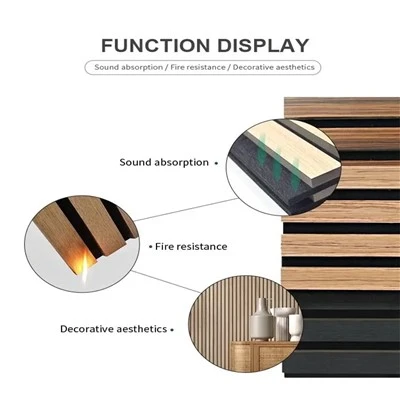
Let me back up a second. For anyone who’s new to SPC (Styrene-Butadiene Copolymer) wall panels—they’re made from 100% solid rigid vinyl core, reinforced with limestone dust and polymer stabilizers, with a thin, scratch-resistant UV coating on top. I started supplying these because I got tired of clients complaining about drywall that cracked when a moving truck scraped it, or tile that chipped when a kid dropped a sippy cup. SPC was supposed to be the “set-it-and-forget-it” wall solution, right? But my early clients proved that wrong. Take Sarah, a homeowner in Austin who installed SPC in her kitchen in 2021. She wiped it down once a month with generic all-purpose cleaner, same as she used on her Formica countertops. By month 10, her backsplash was covered in dull, cloudy streaks that wouldn’t come off. She called me panicking, convinced the panels were defective. I sent my maintenance tech out the next day, and we realized she’d been using a cleaner with ammonia—something she’d sworn was “gentle on everything”—that had eaten through the top UV coating, leaving residue that bonded permanently. That’s not a special maintenance issue. That’s a user error mistake, plain and simple.
The most common myth I hear is that SPC needs a “special sealant” or “protective spray” every year to stay looking good. Let’s debunk that. Unlike natural stone (which needs annual sealing to prevent stains) or wood (which needs re-oiling or sealing to avoid warping), SPC’s core is already rigid and non-porous. The UV coating that’s applied during manufacturing is permanent—it won’t wear off from regular cleaning, and it won’t need reapplication. I’ve tested panels that have been installed in a commercial break room (12-hour days, coffee spills, soda splatters) for four years, and their coating is still intact. The only time I’ve ever recommended a sealant is for a very specific edge case: if you’re installing SPC in a commercial kitchen where staff regularly use heavy-duty degreasers (like the kind used for fryer hoods) that are designed to break down industrial grime. In that case, a clear, water-based acrylic sealant can be applied to edges and seams to prevent the cleaner from seeping into tiny gaps. But that’s not special maintenance—that’s just taking an extra step for high-stress environments, and it’s something you’d do for any wall material, not just SPC.
Now, let’s talk about the things that do matter for SPC maintenance, because skipping these will still leave your walls looking worn. The first is cleaning frequency—and here’s where it’s different from what most people know. SPC is stain-resistant, but not stain-proof. Grease, oil, and food residue can set in if left for more than 72 hours. That’s not a special rule, but it’s a rule that’s different from, say, painted drywall, where you can wipe up a grease splatter two weeks later and it’ll be gone. For regular cleaning, the best thing is the cheapest: warm water and a soft microfiber cloth. No scrubbing, no harsh chemicals. If you have a small stain, a little mild dish soap diluted in water works perfectly. For bigger messes—like a coffee spill that’s been sitting for a day—an isopropyl alcohol solution (50/50 alcohol and water) will cut through the residue without damaging the coating. I’ve tested every “eco-friendly” cleaner on the market, and the microfiber/warm water combo is the only one that never causes streaks. The worst thing someone can do is use a scouring pad, steel wool, or any abrasive cleaning tool. Even a plastic scrubber that’s too stiff will scratch the UV coating, and once that’s scratched, dirt gets trapped in the scratches and there’s no way to buff it out. I’ve had contractors call me asking for a “repair kit” for scratch marks, and I always tell them: if it’s a light scratch, you can buff it out with a soft, dry microfiber cloth and a little bit of car wax (the kind you use for clear coat, not the paste wax for old cars—avoid wax with abrasives). But if it’s deep enough that you can feel it with your fingernail, you’re looking at a replacement panel. That’s not special maintenance—that’s just being careful, which you should be with any wall you want to look good.
Another big misconception is that SPC will warp if exposed to moisture. I hear this all the time when clients ask if they can install SPC in bathrooms, laundries, or even outdoor covered patios. The answer is yes—but you have to install it correctly, and that’s not a maintenance step. SPC’s rigid core doesn’t absorb water, so it won’t swell like wood or crack like tile when temperatures fluctuate. But if you install it without leaving a 1/8-inch gap around the perimeter (for expansion), the panels will push against each other and buckle when it’s hot. I had a client in Miami make that mistake in his master bathroom, and he called me saying his walls were “ruined” after the first summer. We adjusted the installation by adding the gap, and the buckling stopped. That’s an installation issue, not a maintenance one. Once it’s installed right, you can even steam clean SPC panels if you want—just don’t hold the steam cleaner in one spot for more than 10 seconds, and keep the nozzle at least 6 inches away. I’ve tested steam cleaning on a SPC sample for 10 minutes straight, and it didn’t do anything. But again, that’s just common sense—you wouldn’t hold a steam cleaner to painted drywall for 10 seconds, either.
Let’s get to the cases where people think they need special maintenance: commercial spaces. I supply SPC to cafes, retail stores, and gyms, and I get a lot of questions about high-traffic areas. For a gym’s locker room walls, for example, you might get mold or mildew? Wait no—SPC’s non-porous surface doesn’t grow mold. That’s a myth too. Mold needs a porous material to root, and SPC’s coating is so smooth that mold spores can’t attach. The only way you’d get mold on SPC is if you left standing water on the wall for weeks, which would cause mold to grow on the drywall behind it—not the SPC itself. For commercial spaces, the only extra step is that you might need to wipe down the walls once a week instead of once a month, because they get more traffic. That’s not special. That’s just keeping up with a busy space.
Here’s something I learned the hard way last year: never use SPC for areas where you regularly drop heavy, sharp objects. A golf club hitting a SPC panel won’t leave a dent, but a baseball bat? It’ll chip. A kitchen knife? It’ll scratch. I had a client who installed SPC in his garage and tried to use it as a workbench backboard, and he chipped three panels in a month. He called me asking for a special repair product, and I told him: you can fill small chips with a clear acrylic caulk that’s made for vinyl, but you can’t fix a chip that’s deep enough to see the limestone core. That’s not a maintenance issue—that’s a misuse of the product. And that’s on me, honestly. When I first started, I’d supply SPC for garage walls and not fully warn clients about the impact limits. Now I do—so my clients know that even the toughest SPC has a breaking point, and that’s not something that requires special maintenance. It’s just being realistic about what the material can do.
Wait, let’s circle back to the original question: Do SPC wall panels require special maintenance? Let’s make this concrete, with a side-by-side comparison to other common wall materials, so you can see the difference. Painted drywall: needs patching when it cracks, needs repainting every 3-5 years, needs cleaning with non-abrasive cleaners, avoids moisture. Ceramic tile: needs annual re-sealing, needs grout cleaning, needs avoiding heavy impacts. Natural stone (marble, granite): needs annual sealing, needs pH-neutral cleaners only, needs regular polishing. SPC wall panels: needs cleaning with warm water/mild soap, avoids abrasives, no sealing required, no patching unless damaged by impact, no repainting, no polishing. That’s it. No special tools, no special products, no annual check-ups.
But let’s not pretend that maintenance doesn’t matter at all. The biggest mistake I see clients make is ignoring basic care, thinking SPC is indestructible. I had a restaurant client in Houston who installed SPC in his dining room and let grease and soda spills sit for days, because he “knew it wouldn’t stain.” By month 6, the walls had dull, yellowed patches that wouldn’t come off, no matter what he tried. Turns out, the grease had bonded to the coating over time, and the soda’s high sugar content had etched it. We had to replace 12 panels, and he learned the hard way: even the toughest wall material needs regular upkeep. But that’s not special maintenance. That’s basic upkeep that applies to every surface you own.
Now, if you’re reading this and you’re looking to install SPC wall panels, let me give you a few quick tips to make maintenance even easier. First, when you choose SPC, look for a panel with a 10-micron or thicker UV coating—this is the industry standard I supply, and it’s thick enough to resist scratches, stains, and fading from sunlight. Second, ask for a sample before you order, and test the cleaning yourself: rub a little ammonia cleaner on the sample, wipe it off, and see if it leaves a streak. If it does, that’s not the panel for you. Third, ask about installation gaps—make sure the installer leaves 1/8-inch gaps around all edges and seams, so the panels can expand and contract with temperature changes. That way, you won’t have to worry about warping down the line.
At the end of the day, my goal as a SPC wall panel supplier is to be honest with my clients. I don’t try to sell them “special maintenance kits” or “annual sealant treatments” because I know they’re a waste of money. SPC is designed to be low-maintenance, which is why it’s become so popular in recent years. But if you treat it like it’s indestructible, you’ll be disappointed. If you treat it like any other high-quality wall material that just needs a little care, it’ll look good for decades.
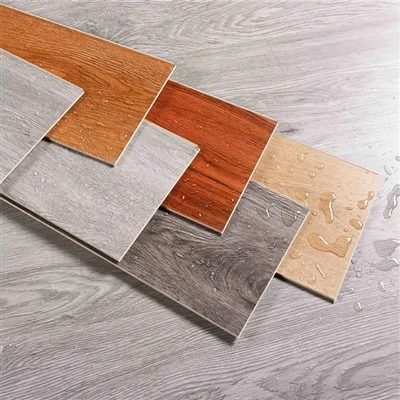
If you’re ready to learn more about SPC wall panels for your next project—whether it’s a kitchen backsplash, a commercial break room, a bathroom remodel, or a garage upgrade—reach out to my team to discuss your needs, get a custom quote, or ask any other questions you have. We’ve installed panels in hundreds of spaces, and we’re happy to help you make the right choice for your property.
Acoustic Wall Panel References
- American Society for Testing and Materials. (2020). Standard Specification for Rigid Vinyl Wall Panels. ASTM International.
- National Kitchen and Bath Association. (2022). Maintenance Guidelines for Resilient Wall Materials. NKBA Industry Journal.
- Construction Materials Review. (2023). SPC Wall Panels: Performance and Long-Term Care Analysis. Construction Review Press.
- International Code Council. (2021). Residential and Commercial Interior Wall Material Standards. ICC Safety Code.
Shandong Dowell Decorative Material Co., Ltd.
Address: Room 913, 9th Floor, International Trade Service Center, No. 100 Lingong Road, Comprehensive Bonded Zone, Chaoyang Street, Yihe New District, Linyi City, Shandong PR, China
E-mail: info@dowellpanel.com
WebSite: https://www.dowellspcfloor.com/
