A hydraulic puller is an essential tool in various industries, from automotive repair to industrial machinery maintenance. However, one common issue that users may encounter is a stuck hydraulic puller. As a supplier of high – quality hydraulic pullers, I understand the frustration this problem can cause. In this blog, I’ll share some practical tips on how to remove a stuck hydraulic puller. Hydraulic Pullers
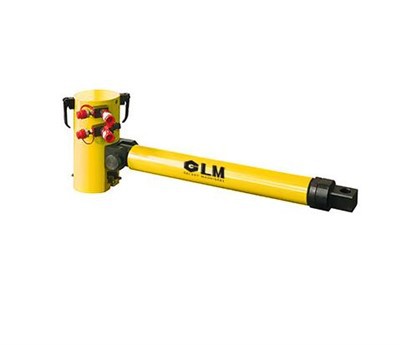
Understanding the Reasons for a Stuck Hydraulic Puller
Before we dive into the solutions, it’s important to understand why a hydraulic puller might get stuck. There are several possible causes:
- Lack of Lubrication: Over time, the moving parts of a hydraulic puller can become dry, leading to increased friction. This can cause the puller to jam and become difficult to operate.
- Debris and Contamination: The work environment can introduce dirt, dust, or metal shavings into the puller. These contaminants can interfere with the movement of the hydraulic components and cause the puller to stick.
- Overloading: If the puller is used beyond its rated capacity, it can cause damage to the internal components, leading to a jammed situation.
- Hydraulic Fluid Issues: Low or contaminated hydraulic fluid can affect the pressure and flow within the puller, resulting in improper operation and potential sticking.
Step – by – Step Guide to Remove a Stuck Hydraulic Puller
1. Safety First
Before attempting to remove a stuck hydraulic puller, ensure you are taking all necessary safety precautions. Wear appropriate safety gear, such as safety glasses and gloves. Make sure the equipment you are working on is properly secured to prevent any unexpected movement.
2. Inspect the Puller
The first step is to visually inspect the hydraulic puller. Look for any obvious signs of damage, such as bent or broken parts. Check if there is any debris or foreign objects stuck in the moving parts. If there are any loose or damaged components, it may be necessary to replace them before further disassembly.
- External Inspection: Examine the outer body of the puller for dents, cracks, or signs of corrosion. Check the handles, levers, and hooks for proper movement.
- Internal Inspection: If possible, carefully remove any accessible covers to inspect the internal hydraulic components. Look for signs of fluid leakage, which could indicate a damaged seal.
3. Apply Lubrication
If the problem is due to lack of lubrication, applying a suitable lubricant can often solve the issue. Use a high – quality penetrating oil or hydraulic lubricant.
- Lever and Piston Areas: Apply the lubricant to the areas where the levers connect to the piston and cylinder. This will help reduce friction and allow the parts to move more freely.
- Threaded Parts: If there are any threaded parts, such as the pulling screws, lubricate them to prevent them from seizing.
- Let it Soak: After applying the lubricant, allow it to soak in for a few minutes. Then, try operating the puller gently to see if the sticking has improved.
4. Remove Debris
If debris is the cause of the stuck puller, you need to clean it out.
- Use Compressed Air: A can of compressed air can be used to blow out any loose dirt or dust from the puller. Hold the puller in a way that allows the air to reach all the internal passages.
- Brush Cleaning: For more stubborn debris, use a small brush, such as a wire brush or a toothbrush, to gently clean the parts. Be careful not to damage any delicate components.
- Flush with Hydraulic Fluid: In some cases, you may need to flush the hydraulic system with clean hydraulic fluid to remove any remaining contaminants. Follow the manufacturer’s instructions for proper fluid replacement.
5. Check the Hydraulic System
The hydraulic system is the heart of the puller, and any issues with it can cause sticking.
- Fluid Level: Check the hydraulic fluid level in the reservoir. If it is low, add the appropriate type of hydraulic fluid as recommended by the manufacturer.
- Fluid Quality: Inspect the fluid for signs of contamination, such as a milky appearance or the presence of particles. If the fluid is contaminated, drain it completely and replace it with fresh fluid.
- Pressure Relief Valve: Ensure that the pressure relief valve is functioning properly. A faulty pressure relief valve can cause excessive pressure in the system, leading to sticking.
6. Use Mechanical Force (with Caution)
If all else fails, you may need to apply some mechanical force to free the stuck puller. However, this should be done with extreme caution to avoid further damage.
- Tapping: Use a rubber mallet or a block of wood and a hammer to gently tap on the stuck parts. Start with light taps and gradually increase the force if necessary. This can sometimes help loosen the components.
- Jaw Adjustment: If the jaws of the puller are stuck, try adjusting them slightly. Loosen the locking nuts and move the jaws back and forth to see if they will free up.
7. Seek Professional Help
If you have tried all the above steps and the puller is still stuck, it may be time to seek professional help. Contact a qualified technician who has experience working with hydraulic equipment. They will have the tools and expertise to diagnose and fix the problem.
Preventive Measures to Avoid a Stuck Hydraulic Puller
As a hydraulic puller supplier, I always recommend taking preventive measures to avoid the problem of a stuck puller in the first place.
- Regular Maintenance: Establish a regular maintenance schedule for your hydraulic pullers. This includes cleaning the puller after each use, lubricating the moving parts, and checking the hydraulic fluid level and quality.
- Proper Use: Always use the puller within its rated capacity. Avoid overloading the puller, as this can cause damage to the internal components.
- Store Properly: When not in use, store the hydraulic puller in a clean, dry place. Protect it from dust, moisture, and extreme temperatures.
Conclusion

A stuck hydraulic puller can be a frustrating problem, but with the right approach, it can often be resolved. By following the steps outlined in this blog, you can increase your chances of removing a stuck puller safely and effectively. Remember, if you are unsure about any part of the process, it’s always best to seek professional help.
Flange Tool At [OUR COMPANY], we are committed to providing high – quality hydraulic pullers and excellent customer service. Our products are designed to be durable, reliable, and easy to use. If you are in the market for a new hydraulic puller or have any questions about our products, we encourage you to contact us for a consultation. Our team of experts is ready to assist you in finding the right solution for your needs.
References
- "Hydraulic Machinery Maintenance Guide", published by Industrial Press Inc.
- "Automotive Repair Tools Handbook", an industry – standard reference book.
Taizhou Galaxy Machinery Co., Ltd.
Taizhou Galaxy Machinery Co., Ltd. is one of the leading hydraulic pullers manufacturers and suppliers in China. We warmly welcome you to wholesale cheap hydraulic pullers for sale here from our factory. Good service and reasonable price are available.
Address: 18 Jiulong Road, Jiulong Town, Hailing District, Taizhou City, Jiangsu Province,China
E-mail: sales03@galaxy-machinery.com
WebSite: https://www.galaxy-machinery.com/
