What are the social implications of home energy storage adoption?
As a supplier in the home energy storage industry, I’ve witnessed firsthand the transformative potential of this technology. Home energy storage systems are not just about storing electricity; they are catalysts for significant social change. In this blog, I’ll explore the various social implications of adopting home energy storage and why it’s a game – changer for our society. Home Energy Storage
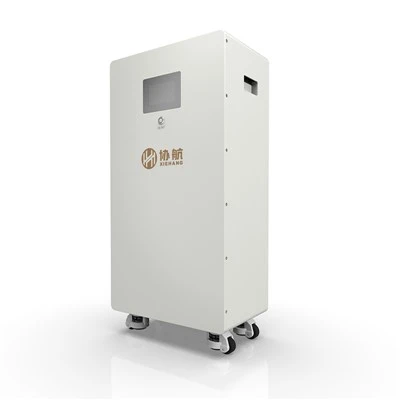
1. Energy Independence and Resilience
One of the most immediate social implications of home energy storage adoption is the shift towards energy independence. Traditionally, households have relied almost entirely on the grid for their energy needs. However, with the installation of home energy storage systems, homeowners can store excess energy generated from renewable sources like solar panels.
This means that during power outages, which can be caused by natural disasters, grid failures, or maintenance work, homes with energy storage can continue to function. For instance, in areas prone to hurricanes or wildfires, having a reliable source of stored energy can be a matter of life and death. Families can keep essential medical equipment running, refrigerate food and medicine, and maintain communication devices.
On a broader scale, increased energy independence at the household level can reduce the overall strain on the grid. During peak demand periods, when the grid is under stress, homes with energy storage can draw from their stored reserves instead of relying on the grid. This can prevent power outages and blackouts, ensuring a more stable and resilient energy supply for entire communities.
2. Environmental Sustainability
The environmental benefits of home energy storage are closely linked to its social implications. As the world grapples with the challenges of climate change, reducing greenhouse gas emissions is of utmost importance. Home energy storage plays a crucial role in this fight.
When combined with solar panels, home energy storage systems allow households to maximize the use of renewable energy. Solar power is intermittent, as it depends on sunlight. Without energy storage, excess solar energy generated during the day is often sent back to the grid or wasted. With storage, this excess energy can be saved for later use, such as at night or on cloudy days.
This increased use of renewable energy reduces the reliance on fossil – fuel – based power generation. Fossil fuels are major contributors to air pollution, which has a direct impact on public health. By promoting the use of clean, renewable energy, home energy storage helps to improve air quality, reducing the incidence of respiratory diseases, heart problems, and other health issues related to pollution.
Moreover, the adoption of home energy storage can inspire a cultural shift towards more sustainable living. As more households embrace this technology, it sets a positive example for the community. It encourages neighbors, friends, and family members to consider renewable energy solutions and adopt more environmentally friendly practices.
3. Economic Empowerment
Home energy storage also has significant economic implications at both the individual and community levels. For homeowners, installing an energy storage system can lead to long – term cost savings. By storing excess solar energy and using it during peak – tariff periods, homeowners can reduce their electricity bills. In some regions, homeowners can even sell excess stored energy back to the grid, creating an additional source of income.
On a community level, the growth of the home energy storage industry can stimulate local economies. The installation, maintenance, and manufacturing of home energy storage systems create jobs. From technicians who install the systems to engineers who design them, there is a wide range of employment opportunities generated by this industry.
Furthermore, the adoption of home energy storage can help to reduce energy poverty. Energy poverty refers to the inability of households to afford adequate energy services. In some areas, low – income families may struggle to pay high electricity bills. Home energy storage, when combined with renewable energy sources like solar, can provide a more affordable and reliable energy supply for these families. This can improve the quality of life for those in energy – poor communities and reduce the economic disparities within society.
4. Energy Equity
Energy equity is an important social issue that home energy storage can help to address. Historically, access to clean and affordable energy has been unevenly distributed. Wealthier communities often have better access to renewable energy technologies, while low – income and marginalized communities are left behind.
Home energy storage has the potential to bridge this gap. As the cost of energy storage systems continues to decline, it becomes more accessible to a wider range of households. By providing low – income families with the opportunity to store and use their own renewable energy, we can ensure that everyone has equal access to clean and reliable energy.
In addition, community – based home energy storage projects can be established in disadvantaged areas. These projects can pool resources and allow multiple households to share the benefits of energy storage. This not only provides energy security but also fosters a sense of community and cooperation, helping to build more inclusive and equitable societies.
5. Technological Innovation and Education
The widespread adoption of home energy storage drives technological innovation. As more homeowners invest in these systems, there is a greater demand for improved and more efficient energy storage technologies. This encourages research and development in the field, leading to the creation of new and better products.
This technological innovation also has educational benefits. Schools and universities can use home energy storage systems as teaching tools to educate students about renewable energy, energy management, and environmental sustainability. By exposing the next generation to these technologies, we can inspire a new wave of scientists, engineers, and environmentalists who will be essential in addressing future energy challenges.
6. Community Building and Social Cohesion
Home energy storage can also strengthen community bonds. In communities where many households have installed energy storage systems, there is an opportunity for cooperation and sharing. For example, during a power outage, neighbors can share their stored energy resources to help each other.
Community – led energy projects, such as shared solar and energy storage initiatives, bring people together. They require collaboration, planning, and decision – making, which can enhance social interaction and trust among community members. This sense of community ownership and cooperation can have a positive impact on the overall well – being of the community.
Why Choose Our Home Energy Storage Solutions?
As a leading supplier in the home energy storage market, we offer a range of high – quality, reliable, and innovative energy storage solutions. Our products are designed to meet the diverse needs of homeowners, from small residential properties to large estates.
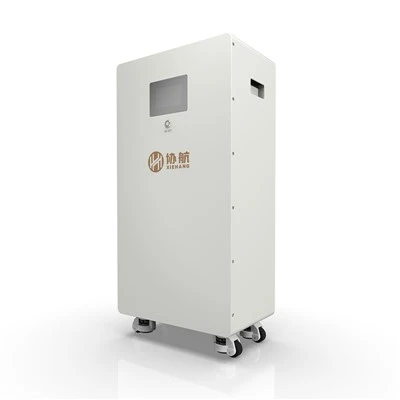
We understand that every household is unique, and we work closely with our customers to provide customized solutions. Our team of experts is dedicated to ensuring that the installation process is smooth and hassle – free, and we provide ongoing support and maintenance services to keep your system running at its best.
Portable Power Station If you’re interested in learning more about how home energy storage can transform your life and contribute to a more sustainable and resilient society, we invite you to contact us for a free consultation. Let’s work together to create a brighter, greener future.
References
- Cardenas, Luciano, et al. "Home Energy Storage for the Community: Unlocking Multiple Benefits." Journal of Power Sources, Volume 428, 2019.
- Lund, Henrik, et al. "Energy Storage and Its Use with Intermittent Renewable Energy." Renewable and Sustainable Energy Reviews, Volume 15, Issue 3, 2011.
- Sovacool, Benjamin K. "The Socio – technical Challenges of Energy Transition: What Can We Learn from History?" Energy Research & Social Science, Volume 12, 2016.
Zhejiang Xiehang New Energy Equipment Co., Ltd.
As one of the most professional home energy storage manufacturers and suppliers in China, our products have good reputation in the market. Please erst assured to wholesale custom made home energy storage from our factory. If you have any enquiry about cooperation, please feel free to email us.
Address: No.5 Hechen Road, Zhouwangmiao Town, Haining, Jiaxing City, Zhejiang Province, China
E-mail: dan.wu@xiehang.net
WebSite: https://www.shineonpower.com/
