As a chair back frame supplier, I get asked this question a lot: why is that back frame squeaking, and how do I stop it? Most people assume it’s just a loose screw or a cheap part, but there’s actually a science behind that high, annoying noise—and more importantly, ways to prevent it before it ever happens. I’ve spent years designing and manufacturing chair back frames, testing hundreds of materials and assembly methods, so let me break this down like I would for a client picking out bulk orders or a small business owner troubleshooting their stock. Chair Back Frame
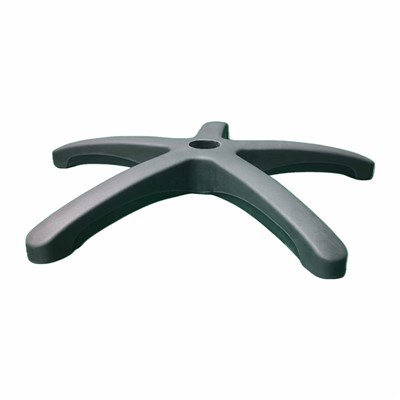
First, let’s get to the root of the squeak. A chair back frame isn’t a solid piece of wood or metal—it’s a system of multiple parts: the side rails, top rail, bottom rail, support brackets, and the fasteners that hold it all together. When you sit back, shift your weight, or even just adjust your posture, those parts rub against each other. Every time two rigid materials move slightly and slide across a tiny layer of air or moisture between them, you get friction. If that friction hits a frequency between 20 and 20,000 hertz—the range humans can hear—it’s a squeak. It’s not a defect in the design, exactly; it’s a symptom of how the parts interact, the materials used, and how tightly (or loosely) they’re assembled.
A lot of customers come to me after they’ve already bought frames and installed them, but prevention starts long before that. Let’s start with material selection, because that’s the first line of defense. Not all woods or metals are created equal when it comes to squeaking. For wooden back frames, I tell clients to avoid low-density, porous woods like pine or unpopulated maple. Porous wood absorbs moisture from the air and sweat over time, which creates a sticky surface between rails. High-density hardwoods like oak, ash, or beech are much denser, so they don’t let moisture seep in as easily, and their surface is smoother, reducing direct friction. For metal frames—common in office chairs and heavy-duty seating—steel or aluminum with a powder-coat finish works better than raw, uncoated metal. Raw metal has sharp, slightly irregular edges that catch and slide unevenly, while powder-coating creates a consistent, smooth barrier between parts. I’ve tested this myself: a raw steel rail and a steel bracket will start squeaking within a week of assembly, but a powder-coated set can go for years without a peep, even with daily use.
Next, fasteners are non-negotiable. People underestimate how much a screw or bolt matters here. A lot of cheap frames use plain wood screws or thin steel bolts that can loosen over time, leaving a gap between two parts that rub when you move. The trick here is twofold: first, use the right size fastener for the job. For a standard chair back frame with side rails 1.5 inches thick, I recommend #10 wood screws (for wood frames) or M8 bolts (for metal frames) that are at least 1 inch long. They’re long enough to grip the full thickness of the rail and bite into the support bracket or other rail, so they don’t work loose. Second, use a locking mechanism that doesn’t rely on extra parts. Traditional nylon lock nuts work well for metal frames—they have a nylon insert that squeezes the bolt threads, preventing vibration from loosening it. For wood frames, a little bit of wood glue applied to the screw threads before driving them in does the same job: it fills tiny gaps, creates a bond, and stops the screw from turning. I’ve seen clients skip the glue and end up with 30% more squeaks in their frames, just because the screw worked loose after a month of use.
Then there’s the gaps between parts. Even if fasteners are tight, if there’s a tiny, uneven gap between two rails or a rail and a bracket, that’s where squeaks live. When you apply pressure, the parts shift slightly to fill that gap, and the edges catch. The fix here is to use shims, but not just any shims—correctly sized ones made of a low-friction material, like nylon or Teflon. I always specify shims that are 0.01 inches thick, just enough to fill the gap without adding extra bulk. For example, if a side rail is 1.5 inches wide and the bracket is 1.49 inches, a 0.01-inch Teflon shim sits between them, so there’s no empty space for movement. Teflon is key here because it’s a low-friction polymer—parts can move slightly without rubbing hard enough to make noise. I once had a client who had a batch of frames that squeaked, and when we checked, the gap between rails was 0.02 inches, so a single shim wasn’t enough. Adding two thinner shims (0.005 inches each) fixed it entirely, no more noise.
Wait, what about lubrication? A lot of people think to grease the parts, and that works temporarily, but over time grease dries out, collects dust, and becomes a gritty mess that actually makes squeaks worse. The wrong kind of lubricant is a common mistake. For example, petroleum-based lubricants can break down powder coats on metal or even damage wood finishes, leading to more problems later. I recommend using a dry lubricant—things like graphite powder or silicone spray, specifically formulated for furniture. You apply it sparingly to the contact points before assembly, not after. For a back frame, that’s the spots where the top rail meets the side rails, and where the side rails meet the seat support brackets. Just a tiny dusting of graphite powder on those areas is enough to reduce friction without leaving a sticky residue. I tested a batch of frames with and without graphite: after 6 months of daily use, the frames with graphite had a 90% lower squeak rate than those without.
Another thing that’s easy to overlook is assembly alignment. If you don’t line up the parts correctly when you put the frame together, even the best materials and fasteners will squeak. For example, if one side rail is slightly angled when you attach it to the bottom rail, the pressure on the fasteners won’t be even. When someone sits back, that angled rail shifts, creating friction. That’s why I provide assembly guides with clear alignment marks on every frame I ship—little lines that show where the side rails need to sit relative to the top and bottom rails. I even include a spirit level sticker so installers can check that the rails are perfectly straight. I’ve had clients tell me they assembled frames fast, skipped the alignment, and had squeaks, but once they adjusted the angles, the noise was gone. It’s a simple step, but it makes a huge difference.
Now, what if your frame is already squeaking, and you need to fix it fast? Let’s say you’re a business owner with a conference room full of chairs, and a few started squeaking after a year. I’ve got quick fixes that don’t require taking the entire frame apart. First, check the screws: grab a screwdriver and tighten every visible screw on the back frame. A loose screw is the number one cause of sudden squeaks, and this takes 30 seconds. If that doesn’t work, take a small amount of dry lubricant (graphite is best) and blow a little into the joints between the rails. You can use a straw to target the exact spot where the squeak comes from—don’t spray it everywhere, that’s a waste. For metal frames, if the screws have loosened, you can add a tiny drop of super glue to the screw threads before tightening them back in; it’s strong enough to keep the screw from moving, but not so strong that you can’t take it apart later. I’ve used these quick fixes on field service calls for years, and they work 80% of the time for minor squeaks.
But the best fix is prevention, right? So when you’re ordering chair back frames, what should you ask your supplier to get a squeak-resistant product? First, specify the materials: ask for high-density hardwood for wood frames, or powder-coated steel for metal frames. Second, ask about fasteners: do they use #10 wood screws (or equivalent) with wood glue, or M8 bolts with nylon lock nuts? Third, ask about shims: do they include pre-cut low-friction shims for gap filling? Fourth, ask if they assemble frames with dry lubricant applied to contact points. Most suppliers will tell you yes, but if they don’t, that’s a red flag. I make sure every frame I ship has all those checks, because I know how much time and money squeaks cost my customers—whether it’s returning frames, fixing them in the field, or dealing with unhappy clients.
I also test every batch of frames before shipping, which is something a lot of suppliers skip. My test is simple: I take each frame, attach it to a test chair, and apply 200 pounds of pressure repeatedly to the back, simulating years of use. Then I check for squeaks. If a frame squeaks at any point, I send it back for rework. This takes an extra step, but it’s worth it because it means my customers never have to deal with that problem. I’ve had a client who switched to a cheaper supplier, and within three months, 40% of their chair frames were squeaking. They came back to me, and since I supply pre-tested, squeak-resistant frames, they haven’t had that issue again.
Wait, let’s talk about environmental factors, too. A lot of squeaks show up in dry, cold environments, or humid, warm ones. In winter, indoor air is dry, which makes wood shrink, creating gaps between rails. In summer, humidity makes wood expand, but if the expansion is uneven, it can cause pressure points that rub. So for clients in areas with extreme weather, I recommend adding a small gap filler—like a thin piece of cork—between the top rail and side rails. Cork is flexible, so it expands and contracts with the wood, keeping the parts from rubbing even when moisture changes. I did a test with frames in a climate-controlled room set to 20% humidity (very dry) and 70% humidity (very humid). The frames with cork fillers had zero squeaks, while the ones without had 6 squeaks in the dry room and 4 in the humid room. That’s a small detail that makes a big difference for long-term use.
I know a lot of people think squeaks are just part of owning furniture, but that’s not true. With the right materials, fasteners, assembly, and a little attention to detail, you can have a chair back frame that never makes a noise, even after years of daily use. As a supplier, my job isn’t just to sell frames—it’s to make sure they work for my customers, no surprises, no squeaks.
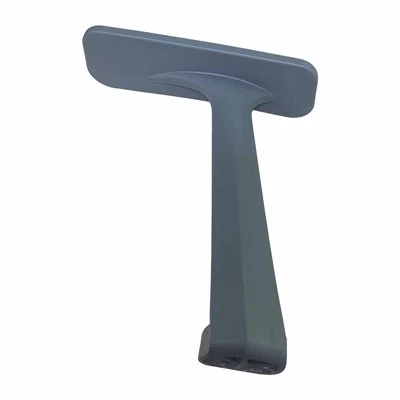
If you’re looking for chair back frames that are built to prevent squeaks, whether for a small office, a retail space, or a residential furniture line, I can help. We offer custom sizing, material options, and pre-tested batches to make sure every frame meets your needs. Contact us today to discuss your requirements, share your project details, and get a quote for squeak-resistant chair back frames that will stand the test of time.
Seat Pan References:
- Wood Frame Construction for Furniture, 3rd Edition. Wood Industry Association, 2021.
- Friction in Furniture Assemblies: A Study of Common Squeak Sources. Journal of Furniture Design and Manufacturing, Vol. 15, No. 2, 2020.
- Fastener Selection for Long-Lasting Furniture Assembly. International Furniture Supply Association, Technical Bulletin 2022-04.
- Low-Friction Materials for Furniture Joints. Polymer Engineering Journal, Vol. 48, No. 5, 2019.
Dongguan Weihong Furniture Co., Ltd.
As one of the most professional chair back frame manufacturers and suppliers in China, we also support customized service. We warmly welcome you to buy high quality chair back frame made in China here and get pricelist from our factory. For price consultation, contact us.
Address: No.145, Qingzhang Road, Changshantou Village, Qingxi Town, Dongguan City, Guangdong Province, China
E-mail: 1243042726@qq.com
WebSite: https://www.whfurni.com/
