If you’ve ever walked through a manufacturing plant, a food processing facility, or a large warehouse at peak operation, you’ve probably noticed rows of metal cabinets bolted to walls or tucked in back utility rooms—humid, unassuming, and easy to ignore when compared to the loud assembly lines or fancy robotics around them. For most people, these cabinets are just “electrical stuff.” But if you’re the one responsible for keeping that plant’s motors, conveyor belts, lighting, and climate control running without a hitch, you know those cabinets are the backbone of the whole operation. That equipment is low voltage switchgear, and for industrial use, it’s not just a component—it’s the quiet guardian of uptime, safety, and efficiency. Low Voltage Switchgear
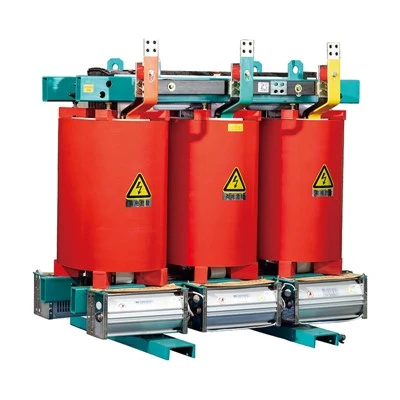
Let’s start with the basics that matter for anyone in the industrial space. First, “low voltage” in this context refers to electrical systems operating at 1,000 volts AC (alternating current) or less, the standard for nearly all industrial facilities, commercial buildings, and large-scale power distribution sites. Switchgear, simply put, is a collection of electrical components designed to control, protect, and isolate electrical equipment. For industrial environments, this isn’t a fancy piece of lab gear—it’s a rugged, purpose-built system that has to perform 24/7 through dust, extreme temperatures, and the occasional overload that would take down a consumer-grade breaker in seconds.
What makes industrial low voltage switchgear different from the stuff you’d find in a suburban home or small office? It comes down to scale and resilience. A home’s breaker box handles a few hundred amps max, powering a fridge, lights, and a TV. An industrial plant might need thousands of amps to run multiple industrial motors, heating systems, and process controls all at once. That’s why industrial switchgear is built to be modular, expandable, and fault-resistant. It’s not just a safety net—it’s a control center that lets operators turn equipment on or off, balance loads across different parts of the facility, and shut down a faulty circuit before it causes a fire, ruins a batch of product, or takes out power to an entire production line.
Let’s break down the core parts of industrial low voltage switchgear, because understanding these helps you see why each part is non-negotiable for industrial use. First, circuit breakers—modern, trip-unit equipped versions that can detect not just overcurrent, but also short circuits, ground faults, and even power quality issues like voltage sags. Unlike the breakers in your home, these are programmable; you can adjust their sensitivity to match the specific needs of a conveyor motor vs. a sensitive PLC (programmable logic controller) that runs your packaging line. That customization is key for industrial spaces, where a one-size-fits-all approach leads to unnecessary downtime or missed safety hazards.
Next, contactors and relays. These are the workhorses that let operators control large loads remotely—something you can’t do with a manual breaker when you’re managing a 100-horsepower pump on a remote part of the plant. A contactor can switch that pump on or off with a simple signal from a control room, and it’s built to handle the repeated high-current starts that industrial motors demand, without wearing out after a few uses.
Then there’s busbars. Instead of thin, flexible wires that you’d see in a home, industrial switchgear uses rigid copper or aluminum busbars to carry high currents between components. They’re encased in insulated metal housings to prevent accidental contact, and arranged in a way that minimizes electrical loss—critical for facilities where even a 1% drop in efficiency adds up to thousands of dollars in energy costs over a year.
Protection relays are another make-or-break component. These are the “brains” of the system, constantly monitoring voltage, current, and power factor across every circuit. If a circuit draws too much current, a ground fault occurs, or power quality drops below acceptable levels, the relay triggers the circuit breaker to trip in milliseconds—fast enough to prevent a minor issue from becoming a catastrophic failure. For example, if a short circuit in a motor winding goes undetected, it can generate so much heat that it melts wiring, ignites nearby dust or flammable materials in a grain processing or chemical plant, or ruins the motor beyond repair. Industrial low voltage switchgear eliminates that risk before it starts.
Now, let’s talk about why this is irreplaceable for industrial operations. Uptime is everything in manufacturing, warehousing, and processing. For a food plant, a single hour of downtime can cost thousands of dollars in spoiled product and missed delivery windows. For a automotive assembly line, that same hour can disrupt dozens of workstations and delay a shipment of vehicles. Industrial low voltage switchgear solves part of that problem by letting operators isolate a faulty circuit without shutting down the entire facility. If one motor on a conveyor fails, the switchgear can trip only that circuit, let the rest of the line keep running, and let maintenance teams swap out the motor overnight with minimal disruption.
Safety is another huge factor. Industrial environments have unique hazards: flammable dust in grain mills, fumes in chemical plants, heavy machinery that can cause injury if not powered off properly. Switchgear is built to meet strict industry safety standards—like UL 891 in the U.S., IEC 61439 internationally—with arc-resistant designs that contain any internal electrical arc flash. An arc flash is a blast of energy that can reach temperatures of 35,000°F (hotter than the surface of the sun) and kill anyone within 10 feet. Modern industrial low voltage switchgear is engineered to contain that blast, so it stays inside the cabinet, protecting workers and nearby equipment. That’s not a minor feature; it’s a regulatory requirement in most industrial workplaces, for good reason.
Wait, but what about power quality? Industrial facilities draw huge, variable loads—lighting, motors, heating, and sensitive electronics all drawing different amounts of power at different times. Poor power quality can damage equipment, shorten the lifespan of motors and electronics, and even lead to fines from utility companies for low power factor. Many modern industrial low voltage switchgear systems include power factor correction capacitors, which adjust the electrical load to match what the utility expects, reducing energy costs and extending the life of your equipment. It’s a hidden benefit that many plant managers don’t even realize they’re getting until they install the right switchgear.
Now, as someone who’s been in the low voltage switchgear supply business for years, I can tell you that one of the biggest mistakes industrial operators make is treating switchgear as an afterthought. They’ll invest in state-of-the-art robotics or a new assembly line, then cut corners on the switchgear that powers it. That’s a recipe for disaster. I’ve seen facilities where a cheap, underrated switchgear unit caused a motor failure that shut down a $2 million production line for three days. Or where a lack of arc protection led to an arc flash that injured two workers and cost the plant millions in fines and downtime. The right industrial low voltage switchgear isn’t an expense—it’s an investment that pays for itself in safety, uptime, and energy savings within a few years.
Let’s also talk about how switchgear fits into modern industrial trends. Smart factories, Industry 4.0, IoT—these aren’t just buzzwords. Modern industrial low voltage switchgear can be integrated into your facility’s digital network, letting you monitor performance in real-time from a smartphone or control room. You can track how often breakers trip, monitor busbar temperatures to spot potential overheating before it causes a fault, and even predict when a component will wear out based on usage data. That’s a game-changer for predictive maintenance, which reduces downtime even further. Instead of waiting for a component to fail, you can replace it during a scheduled shutdown, keeping your line running smoothly.
But what size industrial facility is this for? From small warehouses with a few hundred amps of load to large manufacturing plants with 10,000 amps or more, low voltage switchgear is scalable. Modular designs let you start with a small system and add cabinets as your facility grows, without needing to replace the entire setup. That’s perfect for small and medium industrial businesses that are expanding, or for large facilities that need to add new production lines year after year.
Now, if you’re in the market for industrial low voltage switchgear, what should you look for first? Start with your facility’s specific needs, not just the lowest price. Ask yourself: How much power do I need? What are the hazards in my space (flammable materials, high dust, extreme temperatures)? Do I need arc protection? Do I want smart, connected features for predictive maintenance? A reputable supplier will help you assess your load, your safety requirements, and your long-term growth plans, not just sell you a off-the-shelf cabinet.
As someone who works directly with industrial operators every day, I’ve learned that the best switchgear solutions are tailored, not generic. A grain processing plant has different needs than a medical device manufacturing facility, which is different than a cold storage warehouse. Some need extra corrosion resistance for coastal locations. Others need compact designs to fit in tight utility rooms. Many need to comply with industry-specific regulations, like FDA guidelines for food processing or OSHA standards for worker safety. That’s why working with a supplier that understands your industrial sector matters more than any single feature.
I also want to address a common misconception: industrial low voltage switchgear is only for large facilities. Even small industrial spaces, like a small fabrication shop or a distribution center, benefit from high-quality switchgear. A faulty breaker or an unprotected circuit can cause a fire, ruin expensive tools, or shut down a small business for days. Investing in the right switchgear is a risk management step that no industrial operator can afford to skip.
Let’s wrap this up: industrial low voltage switchgear is the unsung core of any industrial operation. It controls your power, protects your equipment and workers, keeps your line running, and adapts as your business grows. It’s not just metal cabinets and wires—it’s a system that works 24/7 to keep your operations safe and profitable.
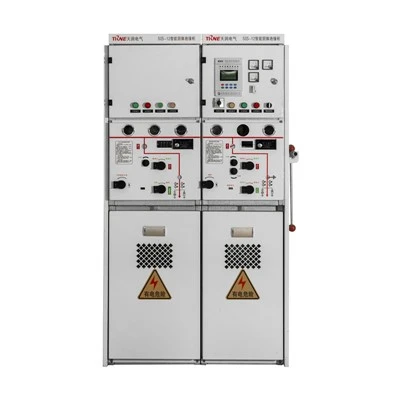
If you’re looking to upgrade your current switchgear, replace outdated units, or design a new system for your industrial facility, don’t leave it to chance. Reach out to discuss your specific needs, load requirements, and safety goals. We’ll work with you to find a solution that fits your budget, your operations, and your long-term plans.
Distribution Transformer References
- International Electrotechnical Commission. (2022). IEC 61439-1: Low-voltage switchgear and controlgear assemblies – Part 1: General rules.
- Underwriters Laboratories Inc. (2021). UL 891: Standard for Switchgear.
- Occupational Safety and Health Administration. (2019). Electrical Arc Flash and Arc Blast Protection.
- National Fire Protection Association. (2020). NFPA 70: National Electrical Code, Article 450 (Industrial Power Systems).
- Institute of Electrical and Electronics Engineers. (2018). IEEE Std 242: Standard for Protection and Coordination of Industrial and Commercial Power Systems.
Zhejiang Tianrun Electric Co., Ltd.
Zhejiang Tianrun Electric Co., Ltd. is one of the most professional low voltage switchgear manufacturers and suppliers in China, featured by quality products and good price. Please feel free to buy CE approved low voltage switchgear made in China here and get quotation from our factory. We also accept customized orders.
Address: No.788 Wenyi Road, Bihu Industrial Park, Liandu District, Lishui City, Zhejiang Province, P.R. China
E-mail: luna@trne-electric.com
WebSite: https://www.trne-electric.com/
