Let’s cut to the chase — if you’ve ever stared at a dull kitchen knife, a finicky garden shears, or even a beat-up woodcarving chisel, you’ve probably wondered: can I sharpen tools with a stone grinding disc? I’m not just some random guy online rambling about tools, either — I run a Stone Grinding Disc supplier, so I’ve fielded this exact question a thousand times, from weekend DIYers to professional woodworkers and every handyman in between. There’s a lot of misinformation floating around out there, so let’s break this down like we’re troubleshooting a stuck power tool, no jargon, no corporate fluff, just real talk about what works and what doesn’t. Stone Grinding Disc
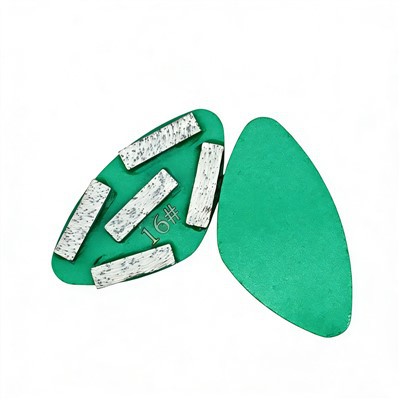
First off, let’s define what we’re actually talking about here, because “stone grinding disc” means different things to different people. A lot of folks mix up our traditional resin-bonded abrasive stone discs (the ones we make most of, with that gritty, matte, textured surface that’s perfect for material removal and sharpening) with the concrete grinding discs you rent to refinish a patio, or even diamond grinding discs for heavy metal work. For the sake of this chat, we’re sticking to the stone grinding discs designed for sharpening tools — the ones that sit on bench grinders, angle grinders, or even wet sharpening stations, depending on what you’re working with.
So, yes, you can absolutely sharpen tools with a stone grinding disc — but it’s not as simple as grabbing any old disc from the hardware store and going to town. I’ve seen guys ruin a $500 chef’s knife because they grabbed a cheap disc meant for grinding down welds, not for shaping a sharp edge. Let’s get into why our stone grinding discs are actually made for this, vs. other types of discs. The key here is grit, and bond hardness. Grit is just the size of the abrasive particles on the disc — lower numbers mean bigger, coarser particles (great for taking off lots of metal fast), higher numbers mean smaller, finer particles (perfect for that smooth, sharp final edge). For sharpening, you want to start with a medium grit, like 80 or 120, to fix chips or nicks in your edge, then move up to a fine grit, like 220 or 320, to polish it to a usable sharpness. Grab a 60 grit disc and you’ll be grinding away half the blade before you get a sharp edge — trust me, I’ve watched a guy do that last month with a set of his dad’s old carving chisels.
Then there’s the bond. Our stone grinding discs use a resin bond, which is flexible enough to let the abrasive particles wear down gradually, so they don’t dig too deep into your tool metal and cause uneven edges. Other discs, like vitrified-bond grinding stones (the big, thick ones on old bench grinders) are too rigid for a lot of modern tools, and they can cause “burning” — that blue, discolored patch on your blade that weakens the metal. I get so many emails from people saying “my knife got all blue after I sharpened it” — 9 times out of 10, they used a vitrified disc that ran too hot, or they pushed too hard for too long. Our stone grinding discs, especially the wet ones (made to be used with water to keep things cool), prevent that burning way better.
Wait, but hold on — there’s a big catch here: not all tools are meant to be sharpened on a stone grinding disc. For example, if you have a fragile tool, like a delicate paring knife or a thin chisel, using a disc on an angle grinder (which spins super fast) is probably not your best move — that’s where a bench grinder with a slower speed, or even a handheld stone disc sharpener, works way better. I always tell people: if your tool is thick and sturdy, like a garden spade, a machete, or a wood axe, a stone grinding disc is perfect. If it’s thin and delicate, stick to a wet stone or a honing rod as a backup.
Another common myth: “stone grinding discs will ruin the bevel of my tool.” Let’s set that straight. A bevel is the angled edge that makes your tool sharp, right? If you take the time to hold your tool at the exact same angle as the original bevel when you grind, the disc will only remove material from that edge, not mess up the rest of the blade. The mistake people make is holding the tool flat against the disc, grinding the entire edge into a straight, dull line instead of the sharp angle it’s supposed to have. I always tell new customers: mark the bevel angle on the side of your blade with a pencil first, then hold the tool steady at that angle while you grind. That’s how the pros do it, and it works every time.
I should also mention the difference between dry and wet grinding with stone grinding discs, because that’s a huge one for tool life. Dry grinding is when you run the disc without any water — it’s faster, but it generates way more heat, which as we talked about earlier, can burn and weaken your tool metal. Wet grinding, on the other hand, uses a small stream of water (or submerging your disc in a water bath) to keep the metal cool while you sharpen. It’s a little slower, but it produces a smoother edge with far less chance of damaging your tool. We actually sell a line of wet stone grinding discs specifically for this purpose, because so many professional contractors told us dry grinding was ruining their pricey tools.
Now, let’s talk about when you should and shouldn’t use a stone grinding disc for sharpening, because that’s what most people actually care about. When to use it: 1) For heavy-duty sharpening, like fixing chips on a lawn mower blade or a axe that’s been sitting in the garage for years. A cheap mower blade can’t be sharpened with a honing rod — you need to take off some metal to get back a straight edge, and a medium grit stone grinding disc is perfect for that. 2) When you need to sharpen multiple tools fast. If you’re a contractor with 10 shovels and a dozen hand tools to get ready for a job, a bench grinder with a stone disc will get the job done way quicker than a set of whetstones. 3) For reshaping tools that have been bent or damaged. If your favorite chisel got nicked when you dropped it on a concrete floor, a coarse grit stone grinding disc can grind away the damaged metal and get the edge back to the original shape.
When to skip it: 1) For ultra-fine sharpening on delicate tools, like a chef’s Japanese santoku knife. You can get the edge close on a disc, but you’ll need to finish it on a fine whetstone or a honing rod to get that silky, razor-sharp edge professional chefs rave about. 2) For tools with a very thin edge, like a razor or a paring knife. The high speed of most angle grinders can easily overheat and warp the thin metal, so stick to slower methods here. 3) If you’re a total beginner with no practice holding an angle or a tool steady. Grinding is a skill, and if you’re new to it, you might accidentally grind too much metal off one side, making your edge lopsided. Start with a simple tool, like a mower blade, and practice on a cheap one first before moving to your good knives.
I get questions all the time from people who say, “I tried a stone disc to sharpen my knife and it came out worse.” Nine times out of 10, they used the wrong grit, held the tool at the wrong angle, or used a dry disc without cooling the metal. Let’s do a quick pro tip checklist to avoid that: 1) Start with medium grit (80-120) for damaged edges, fine grit (220+) for finishing. 2) Match the disc to your tool: bench grinder discs for most small tools, angle grinder discs for large, heavy tools like axes and shovels. 3) Hold your tool at the exact original bevel angle — most tools have a stamped angle on the side, or you can look it up online for your specific tool. 4) If grinding dry, dip your tool in water every 10 seconds to prevent burning. 5) Finish with a honing stone or leather strop to smooth the edge after grinding.
As a Stone Grinding Disc supplier, I’ve tested hundreds of discs for sharpening, and I can tell you this: not all stone discs are created equal. The cheap ones from the big box store fall apart after a few uses, or have inconsistent grit that leaves a lumpy edge. Our discs are made with high-quality aluminum oxide abrasive, which is tough enough to take off metal quickly but soft enough to not overheat your tools, and the resin bond is calibrated to last longer than competing brands. We’ve had customers tell us they’ve used our discs for 5 years to sharpen their entire tool collection, from their own knives to their dad’s old farm tools, and they still work like new.
I know a lot of people are wary of using power tools for sharpening, and that’s totally fair — I used to be too, until I watched a professional woodworker sharpen his entire set of chisels in 10 minutes with a bench grinder and a stone disc, way faster than I could with my whetstones. The key is to take it slow, practice on cheap tools first, and don’t try to rush the process. If you follow those basic rules, a stone grinding disc will become your go-to tool for keeping your entire collection sharp, not just a few select items.

At the end of the day, the answer to “can I sharpen tools with a stone grinding disc?” is a resounding yes — but only if you use the right disc, for the right tool, and do it the right way. It’s not a one-size-fits-all solution, but when used correctly, it’s one of the most efficient ways to sharpen everything from a rusted axe to a dull hedge trimmer. If you’re still not sure which disc is right for your tools, or you’ve had bad experiences with discs in the past, reach out to us — we don’t do pushy sales, we just give real advice from people who know their stuff, because we’re tool lovers too, not just a Stone Grinding Disc supplier. We can help you pick the right grit, bond, and type of disc for your specific needs, no gimmicks, no hard sells. Don’t waste money on cheap discs that ruin your tools — grab a quality stone grinding disc from us, follow the basics, and you’ll have sharp tools for years to come.
Stone Cassani Abrasive References:
- American National Standards Institute. "Safety Requirements for Abrasive Grinding Wheels Used on Portable Grinders." ANSI B7.1-2017, 2017.
- The Home Depot. "How to Sharpen Tools: A Beginner’s Guide for Every Tool in Your Garage." The Home Depot, 2023.
- Industrial abrasive manufacturers association. "Resin-Bonded Abrasive Discs: Applications and Best Practices." IAMA Technical Bulletin 412, 2022.
- Woodworking Network. "Sharpening Basics: Choosing the Right Grit for Your Tools." Woodworking Network, 14 Mar. 2024.
Quanzhou Cheefung New Materials Co., Ltd.
As one of the most experienced stone grinding disc enterprises in China, we are able to meet the needs of the majority of our customers. Please feel free to wholesale advanced stone grinding disc made in China here from our factory. For price consultation, contact us.
Address: Jinshan Community, Licheng District, Quanzhou City, Fujian, China
E-mail: info@prostonetools.com
WebSite: https://www.prostonetools.com/
