A few months ago, a regular client of mine – a small independent toy brand out of Portland – called in a panic. They’d just received an email from a retail partner asking for confirmation that all their new line of toddler building blocks were free from “harmful plastics,” and the question left them scrambling to fact-check every component. As someone who’s spent the last 12 years running a company that designs and manufactures plastic components for toys and stationery, that call didn’t surprise me. In the decade I’ve been in this industry, the question of health risks linked to plastic parts in everyday items has stopped being a niche concern for environmental groups and started becoming a make-or-break point for every client, from big-box retailers to indie stationery makers. Plastic Components for Toys and Stationery
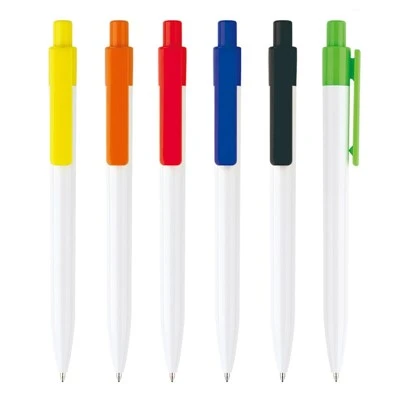
Let me start by setting the record straight: not all plastics are created equal, and most of the anxiety around this topic comes from outdated information or conflating different types of plastic and their additives. When a parent hands a plastic building block to a 1-year-old who’s already got it halfway to their mouth, or a student pulls a plastic notebook divider out of their backpack, they’re not imagining – or overreacting – when they wonder if that material could be affecting their kid’s or their own health. That fear is rooted in real, proven risks, but it’s also often misdirected. As a supplier, my team and I work with materials every single day, so I’ve seen firsthand what the research actually says, and where the line lies between valid concern and unnecessary panic.
First, let’s break down the two areas where most of the documented health risks come from: the type of plastic resin used, and the chemical additives that get mixed in (or leach out) during manufacturing, use, or disposal. For toys and stationery, we primarily work with four common resins: polyethylene (PE), polypropylene (PP), polystyrene (PS), and acrylonitrile butadiene styrene (ABS). Each has its own profile, and only some carry inherent risks. For example, polystyrene – the rigid plastic used for things like cheap plastic construction bricks and some disposable stationery trays – is one that’s come under significant scrutiny. The issue here isn’t the resin itself, but styrene, a volatile organic compound (VOC) that’s a building block for PS. When PS is heated (think: left in a hot car, or exposed to direct sunlight for months on end), styrene can leach out at higher rates. The World Health Organization (WHO) has classified styrene as a possible human carcinogen, and long-term exposure has been linked to issues with the nervous system, including headaches, fatigue, and even peripheral neuropathy in high-dose cases. That’s why most responsible suppliers like us avoid PS for components that will regularly see sun or heat exposure, and instead opt for PP, which has a higher melting point and doesn’t leach styrene under normal use.
Then there are the additives. This is where a lot of the confusion starts, because additives aren’t part of the plastic resin itself – they’re mixed in to make the material stronger, more flexible, more colorful, or more resistant to bacteria. Two of the most notorious additives here are phthalates and bisphenols (BPA, BPS, and related compounds). Phthalates are plasticizers that make rigid plastics more flexible, so you’ll find them in things like rubbery toy hinges, stretchy ruler edges, or the soft grips on pencil tops. For decades, studies have linked high phthalate exposure to developmental issues in children, especially reduced cognitive function, lower attention spans, and altered hormone levels. The European Union and several US states have already banned phthalates like DEHP, DBP, and BBP in toys for kids under three, and many suppliers have phased them out entirely for all products.
Bisphenols, most famously BPA, were originally used to harden plastic resins, but they act as endocrine disruptors – meaning they mimic or interfere with the body’s natural hormones. A 2022 study from the Environmental Working Group (EWG) tested 100 popular plastic toys and found that 25% had detectable levels of BPA or BPS, even on products marketed as “BPA-free.” The good news? Strict regulatory standards (like the US FDA’s 2021 update to its food contact material rules, and the EU’s REACH regulation) have pushed most reputable suppliers to eliminate BPA from toys and stationery, especially for products that come into direct contact with skin or are intended for young kids. But the risk still exists with less common additives, and that’s why due diligence is non-negotiable.
Now, I want to be clear: not all plastic leaching is dangerous. For most plastic components in stationery – things like notebook covers, paper clips, plastic erasers, or pencil cases – the level of additives leaching under normal use is extremely low, especially when produced by a trusted supplier. The problem arises when products are counterfeit, or made with cheap, unregulated materials that cut corners on additive controls. Last year, we did a test run for a client who had imported 50,000 plastic pencil cases from an overseas supplier that claimed to be “BPA-free.” When our third-party lab tested them, they found three times the allowed limit of a phthalate called DINP, which is still legal for some uses but banned in toys for kids under three in the EU. That’s the kind of risk that doesn’t make headlines, but hurts parents and manufacturers alike.
So, what is our team doing differently to mitigate these risks? As a supplier, we don’t just source plastic resin – we work closely with our material manufacturers to vet every batch, and we require third-party testing for every component before it leaves our warehouse. For toys, we follow ASTM F963, the US voluntary safety standard for toy safety, which sets strict limits on heavy metals (lead, cadmium, arsenic) as well as additives like phthalates and bisphenols. For stationery, we adhere to ISO 14001 environmental management standards, which include limits on chemical leaching for products that come into contact with skin or paper. We also prioritize using recycled, food-grade resins for many of our products – recycled PP from approved sources has been tested to have leach levels comparable to virgin resin, and it cuts down on plastic waste too, which is an added bonus for eco-conscious clients.
Another point that’s not talked about enough is the risk of microplastics from broken or worn plastic components. When a plastic toy or stationery part gets scratched, chipped, or cracked, tiny plastic fragments can break off and become microplastics. For young kids, this is a choking hazard first, but it also means those microplastics can get ingested, and while the long-term health effects of microplastic ingestion are still being studied, a 2023 study in Environmental Health Perspectives found that microplastics can carry harmful bacteria and chemicals into the body, potentially causing inflammation and other issues. That’s why our team designs all components to be as durable as possible, with rounded edges that are less likely to chip, and we also offer a take-back program for old or unwanted plastic products to reduce the amount of broken parts ending up in landfills or playgrounds.
I know a lot of people still see plastic as a dirty word, and I get it. For years, companies used plastic as a cheap, disposable material that was never meant to last, and the health and environmental costs of that approach are clear. But the reality is, plastic is still the best material for many toys and stationery products – it’s lightweight, shatter-resistant, customizable, and affordable, which makes it accessible for millions of families and students. The key isn’t to ban plastic entirely, but to make sure it’s safe. That means holding suppliers accountable, following strict safety standards, and investing in materials that are tested and proven to be low-risk.
Over the years, I’ve had clients tell me they switched to metal or wood components to avoid plastic risks, and that works for some products. But wood can have its own issues – like toxic finishes that leach into the hands, and metal is heavier and more expensive, which drives up costs for consumers. The sweet spot, from where I stand as a supplier, is transparent, responsible manufacturing. Last quarter, we worked with a new client, a stationery brand that specializes in products for elementary school kids, and they asked us for full documentation on every resin batch, every additive test, and every third-party lab result – no exceptions. That’s the kind of client we love, because they’re prioritizing safety over cutting costs, and that’s what gives parents peace of mind.
Let me wrap this up. The health risks associated with plastic components in toys and stationery are real, but they’re manageable – and they’re almost entirely avoidable when you work with a reputable supplier that prioritizes safety over profit. The biggest mistakes come from untested, unregulated materials, or cutting corners on additive controls, not from properly manufactured, tested plastic parts. For anyone in the toy or stationery industry looking to source components, or anyone shopping for their family or kids, the key is to ask questions: ask for safety test results, ask about the resin type, ask about additive limits. As someone who’s been in this space for over a decade, I’ve seen too many companies lose trust because they cut corners, and I’ve seen too many parents worry unnecessarily because they don’t know what to look for.
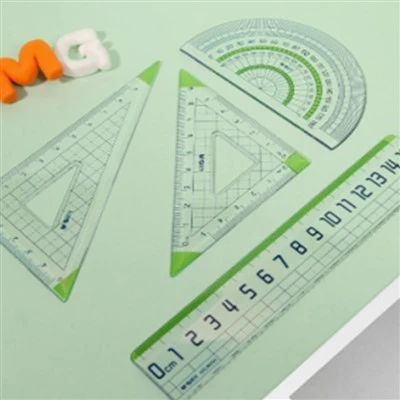
If you’re a brand owner looking for plastic components that meet strict safety standards, or if you’re a retailer or parent with questions about our products, we’re here to help. We don’t just sell parts – we provide transparent, tested solutions that put safety first, because that’s what our clients and their customers deserve.
Electronic Plastic Enclosure References:
World Health Organization. (2000). Styrene in drinking-water. WHO Guidelines for Drinking-Water Quality, 2nd ed.
Environmental Working Group. (2022). Plastic Toys: Hidden Chemicals in Popular Brands. EWG Research Report.
U.S. Food and Drug Administration. (2021). Update to Food Contact Substance Notifications for Bisphenol A. FDA Food Safety and Applied Nutrition.
Environmental Health Perspectives. (2023). Ingested Microplastics and Inflammatory Responses in Pediatric Populations. Vol. 131, No. 4.
ASTM International. (2024). Standard Consumer Safety Specification for Toy Safety (F963-24). ASTM Standards.
Yongkang Shunjiang Plastic Products Co., Ltd.
As one of the most professional plastic components for toys and stationery manufacturers and suppliers in China, we offer a wide range of products with superior quality. Please feel free to wholesale bulk customized plastic components for toys and stationery from our factory. Also, pricelist is available.
Address: Kangzhuang Road, Xicheng Subdistrict, Yongkang City, Zhejiang Province, China
E-mail: 15158911623@163.com
WebSite: https://www.shunjiangplas.com/
