If you’ve wandered around a construction site lately, you’ve probably heard the familiar hum of cranes, the scrape of concrete mixers, and the shouts of foremen coordinating crews. What you might not notice, though, is the quiet, unassuming material tucked into corners, under heavy machinery, or lining temporary drainage channels: ultra-high-molecular-weight polyethylene (UHMWPE) sheet. For years, this plastic has been a staple in industries like packaging, medical devices, and even bulletproof vests, but as a UHMWPE sheet supplier who’s spent the last 12 years walking construction sites, testing materials, and troubleshooting issues with general contractors, I’m here to tell you it’s finally making its big move into building and infrastructure work. UHMWPE Sheet
Let me start with a quick, honest breakdown of what UHMWPE is, because I’ve had too many clients ask, “Isn’t that the same as the plastic bags I get at the grocery store?” The short answer: no, not even close. UHMWPE is a thermoplastic made from long polymer chains—so long, in fact, that its molecular weight is 10 times higher than standard polyethylene. That extra length gives it properties that sound like science fiction, but they’re very real, when processed correctly. It’s incredibly tough, almost indestructible for its weight, has a self-lubricating surface, and resists moisture, chemicals, and even extreme temperatures. For construction, that’s a game-changer.
When I first started recommending UHMWPE sheet to construction teams about a decade ago, I ran into a lot of pushback. Guys who’ve been in the industry for 30 years like things they know: steel, concrete, wood. “Plastic won’t hold up on a job site” is a line I heard at least 10 times in my first year. But then I started sharing stories from projects where traditional materials were failing, and UHMWPE was the fix. Take the concrete pump hoppers on bridge construction projects, for example. Concrete is heavy, and when it’s pumped through those hoppers, the concrete mix abrades the metal surfaces day after day. In a single bridge project a few years back, a client was going through 3 sets of steel hopper liners a month—each set costing $1,200 and taking 2 days to install and replace. We tested a custom-cut UHMWPE sheet liner for them. Six months later, they called me to say that liner was still going strong. No rust, no abrasion, and it cut their liner costs by 80% that quarter. That’s when the first skeptical superintendent admitted, “This plastic actually works.”
Now, let’s get into the actual uses of UHMWPE sheet in construction, because it’s not just for liners. Let’s break down the most common, practical applications I see on job sites every week.
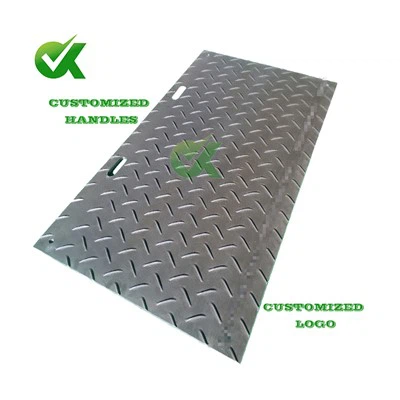
First, heavy machinery skid plates and underlayments. When you’re moving excavators, bulldozers, or precast concrete panels around a site, you usually use steel plates to lay on soft, muddy ground to keep equipment from sinking. Steel works, but it’s heavy—you need a crane to move it, it rusts if it sits on damp ground, and it scratches or damages delicate surfaces like newly poured concrete. UHMWPE sheet, though, is lightweight (about 1/8 the weight of steel), corrosion-proof, and has a low coefficient of friction. A single 4×8 foot UHMWPE sheet weighs around 12 pounds, so two guys can carry it, no crane needed. It lays flat on mud, keeps equipment from sinking, and if you run it over newly poured concrete, it doesn’t leave sharp gouges or rust stains. We recently supplied a 500 sheet order for a highway widening project in the Midwest—their foreman told me they cut their ground preparation time by 40% because they didn’t have to wait for cranes to move steel plates around the site.
Second, channel liners and debris chutes. Construction sites generate a ton of wastewater, especially from concrete washing, form oil cleanup, and rain runoff. If you line drainage channels with concrete or steel, they get clogged with debris, abraded by sediment, and cracked by freeze-thaw cycles in cold climates. UHMWPE sheet is impermeable to most chemicals (including concrete additives, form oils, and salt used for ice melt), and its low friction means debris doesn’t stick to the liner, so drainage channels stay clear longer. We also use it for debris chutes that carry broken concrete, wood, and other job site waste from upper floors down to dumpsters. Traditional metal chutes get dented and scratched, leading to sharp edges that tear garbage bags or even injure workers. UHMWPE is impact-resistant, so it doesn’t dent, and the smooth surface makes waste slide down easily without getting stuck. A mid-rise apartment construction client told us last year their chute repair costs dropped by 90% after switching to UHMWPE liners.
Third, temporary work surface and formwork for concrete. Wait, formwork? That’s a big one. Most formwork is wood or steel, but for complex concrete shapes or temporary ramps, UHMWPE is a great alternative. It’s non-stick, so wet concrete doesn’t bond to it—no more chipping and patching concrete where it’s stuck to the form after removal. A custom home builder in Texas used UHMWPE sheet for a curved concrete patio last year; he said he spent half the time he usually does patching the form residue, and the patio came out with a smooth, even finish without needing to grind it down. It’s also reusable—we’ve had clients use the same UHMWPE sheet formwork 12 times for different small concrete projects, compared to wood forms that last 1 or 2 uses. And for temporary access ramps on construction sites, UHMWPE is lightweight enough to move between phases of a project, and it doesn’t rot like wood or get slippery when wet if you choose a textured grade (we supply both smooth and grippy textured UHMWPE sheets for that exact reason).
Fourth, material handling for precast components and pipe. Precast concrete panels, steel pipes, and heavy structural beams are everywhere on construction sites, and moving them can be tricky without scratching or damaging their surfaces. We supply UHMWPE sheet as protective pads for the supports under these heavy materials. Because it’s impact-resistant and non-abrasive, it keeps steel pipes from getting scratched during transport, and it doesn’t leave marks on the smooth surface of precast panels. A utility company that installs large water pipes across the country started using UHMWPE pads a few years ago; they used to have to replace damaged pipes under warranty, which cost them tens of thousands of dollars a year. Since switching, their warranty claims for pipe surface damage dropped to almost zero.
Now, I’m not here to say UHMWPE is perfect. No construction material is, and if I tried to sell you on it as a one-size-fits-all solution, I’d be lying. Let’s talk about the limitations, because that’s what every good supplier does. First, it’s not as heat-resistant as metal or concrete. Standard UHMWPE starts to soften around 185 degrees Fahrenheit, so you can’t use it anywhere there’s direct, constant heat, like near welding stations or close to a kiln. We also don’t recommend using it for structural load-bearing elements, like load-bearing beams or columns—its strength is great for surface protection and abrasion resistance, but it doesn’t have the compressive strength of steel or concrete for carrying full building loads. Another thing: it can be prone to scratching if you drag sharp, heavy objects across it hard, so you have to make sure crews are trained to handle it properly, just like any other material.
Over the years, I’ve learned that the biggest misconception about UHMWPE in construction is that it’s too expensive to justify. When I first quoted UHMWPE liners to that bridge client 10 years ago, their estimator said it was twice as expensive as steel liners. But when we crunched the numbers: steel liners cost $1,200 each, needed replacement every 1-2 months, so annual cost was around $14,400. The UHMWPE liner was $2,000, and it lasted 6 months, so annual cost was $4,000. That’s a 72% savings, and it also saved on labor time for installing and removing liners. I always tell clients to look at total cost of ownership, not just upfront price. UHMWPE might cost more per sheet, but its durability, low maintenance, and reusability make it cheaper in the long run.
Another thing I love about working with UHMWPE is how customizable it is. No two construction projects are the same, and being a sheet supplier means I can cut UHMWPE to any size, add holes for installation, or even modify the surface texture for specific needs. Last year, we worked on a flood control project in Florida that needed UHMWPE liners for temporary earthen berms. The client needed the liners to be heavy enough to stay in place, but also flexible enough to bend around the curved berms. We made custom cut liners with extra thickness at the edges, and added reinforced webbing to tie them down, and the project team saved weeks of installation time compared to laying concrete or metal liners.
I’ve also seen UHMWPE evolve over the years to fit construction needs better. There are fire-retardant grades now, which is a big one for jobsites that have strict fire safety rules. There are UV-stabilized grades that can sit outside for months without fading or degrading, which is perfect for temporary ground plates that get left out between project phases. Even colored grades, so you can mark high-traffic areas or separate materials easily on a site. It’s not the same UHMWPE that was first used in manufacturing a few decades ago; it’s been engineered specifically to meet construction site demands.
At the end of the day, construction is all about getting the job done on time, on budget, and safely. UHMWPE sheet might not be the flashiest material on the site, but it’s the kind that keeps projects moving, reduces downtime, and cuts costs. I’ve watched it go from a niche product used in specialized applications to a go-to material for general contractors, civil engineers, and home builders alike. It’s not going to replace steel or concrete, but it fills a gap that those traditional materials can’t—lightweight, durable, non-abrasive, and versatile.
If you’re on a construction project, or looking for ways to cut maintenance costs on your current projects, UHMWPE sheet is worth a closer look. I’ve walked more construction sites than I can count, and I’ve seen the difference it makes. Whether you need liners for concrete pumps, skid plates for heavy machinery, formwork for concrete, or protective pads for precast materials, there’s a UHMWPE solution that fits your needs.

If you’d like to chat about how UHMWPE sheet can work for your next project, I’m here to help. We can talk about your specific needs, share sample materials, or send quotes for custom cut sheets. Don’t hesitate to reach out and let’s find a solution that saves you time and money on your next build.
UHMWPE Sheet REFERENCES
- Kutz, M. (Ed.). (2002). Applied Plastics Engineering Handbook. William Andrew Publishing.
- Modern Plastics. (2019). “UHMWPE in Construction: Emerging Applications and Performance Benefits.” Special Report on Engineering Polymers in Infrastructure.
- ASTM International. (2021). Standard Specification for Ultra-High-Molecular-Weight Polyethylene (UHMWPE) Extruded Sheet for Industrial Applications. ASTM D6602-21.
- Construction Executive. (2022). “Non-Metallic Materials Reducing Job Site Downtime and Maintenance Costs.” Industry Trend Report on Construction Materials Innovation.
- Hashmi, S. (Ed.). (2014). Materials for Construction and Civil Engineering. Springer.
Henan Okay Plastic Industry Co., Ltd.
Henan Okay Plastic Industry Co., Ltd. is one of the most professional uhmwpe sheet manufacturers and suppliers in China, featured by quality products and competitive price. Please rest assured to wholesale uhmwpe sheet for sale here from our factory. Contact us for customized service.
Address: New Industrial Pioneering Park, Tengfei Avenue, Yigou Town, Tangyin County, Anyang City, Henan Province, China
E-mail: lucy@chinaupe.com
WebSite: https://www.okayplastics.com/
