If you’ve ever stood next to an industrial operation moving thick, abrasive, or chemically aggressive materials at thousands of gallons per minute, chances are you’ve wondered how that stuff gets where it needs to go without clogging a line or shutting down production for hours. That’s where a high pressure slurry pump comes in. As someone who’s spent the last 12 years sourcing, testing, and supplying these pumps for mines, chemical plants, and wastewater treatment facilities across North America, I’ve seen firsthand how much difference the right pump can make— and how much trouble you’ll be in if you get the wrong one. Let’s break down what a high pressure slurry pump actually is, how it works, and why it’s non-negotiable for so many heavy industries. High Pressure Pump
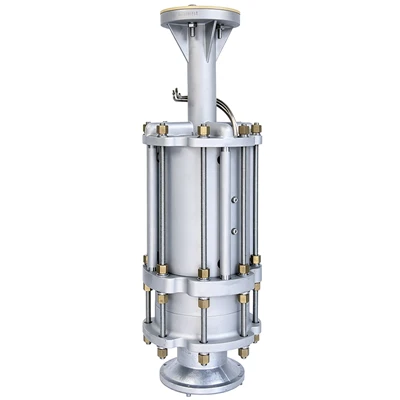
First, let’s get the basics straight. A slurry, if you don’t work in industrial settings, is a mixture of liquid and solid particles—think ground rock, ore, sediment, or chemical sludge. What makes it different from, say, water, is that those solids are often abrasive, dense, and sometimes corrosive. A standard water pump can’t handle this; the particles will wear through its impellers and casing in days, and the high pressure required to move slurry long distances or up steep elevations will blow a standard pump’s seals apart. A high pressure slurry pump is engineered specifically to solve that exact problem: it moves dense, abrasive slurry at pressures high enough to meet a facility’s operational needs, without breaking down or leaking.
Now, what counts as “high pressure”? This isn’t a one-size-fits-all number. For context, most residential or light industrial pumps top out at around 100 PSI (pounds per square inch). A high pressure slurry pump starts at about 500 PSI, and we regularly supply pumps rated for 2,000 PSI, 3,000 PSI, and even higher for specialized tasks like hydraulic fracturing or deep mine tailings disposal. The pressure requirement depends entirely on what the pump is doing. A mine moving ore 5 miles across a flat plain might need 800 PSI, while a wastewater plant pushing sludge through a membrane filtration system might need 1,500 PSI. The key here is that “high pressure” for slurry pumps is defined by their ability to generate enough force to overcome the resistance of dense solid-liquid mixtures, not just move liquid quickly.
Next, how do these pumps work, and what makes them different from regular pumps? Most high pressure slurry pumps are centrifugal pumps, but with heavy-duty modifications tailored to slurry. Let’s break that down. A standard centrifugal pump uses a rotating impeller (a wheel with curved blades) to spin liquid, creating centrifugal force that pushes the liquid out the discharge port. But with slurry, the solid particles would hit that impeller and wear away the metal in no time. So high pressure slurry impellers are made from ultra-hard materials: high-chrome iron, rubber compounds, or even ceramic, depending on how abrasive and corrosive the slurry is. The pump casing (the large, outer shell that holds the impeller) is also made of the same wear-resistant material, and it’s built thicker to handle the high pressure—no thin aluminum here, just heavy cast metal or reinforced composite for lighter, corrosion-resistant models.
Another critical difference is the design of the suction and discharge lines, and the way the pump handles air pockets. Slurry is full of entrained air, which can cause cavitation—a common problem where low pressure at the impeller inlet creates bubbles that collapse with enough force to erode metal. High pressure slurry pumps have specialized inlet designs to reduce cavitation, like wider suction ports and adjustable impeller gaps, so even when slurry has air mixed in, the pump keeps running. Seals are another big upgrade. Standard pump seals leak with slurry, so we use mechanical seals designed to handle high pressure and abrasive particles, often with a flush system that pushes clean, pressurized fluid around the seal to keep slurry out. That’s a small detail, but it’s the difference between a pump that runs for 6 months and one that needs a seal replacement every 2 weeks.
Now, where do you find high pressure slurry pumps at work? I could rattle off a dozen industries, but the big four are mining, oil and gas, wastewater treatment, and chemical processing, and each uses these pumps for totally different tasks. In mining, for example, we supply pumps for transferring run-of-mine ore from processing plants to tailings ponds, which can be miles away and at elevations hundreds of feet higher. The slurry here is thick with gravel, sharp rock particles, and sometimes acidic runoff from the ore, so the pumps need to handle both extreme abrasion and mild corrosion. We recently worked with a gold mine in Nevada that was replacing 10-year-old pumps that were failing every 18 months; our high pressure slurry pumps run 24/7 and only need scheduled maintenance twice a year, saving them hundreds of thousands of dollars in downtime and replacement parts.
In oil and gas, high pressure slurry pumps are used for fracking, but not the kind you might see in movies. They handle the fracking fluid that mixes water, sand, and chemicals, pumped thousands of feet underground to crack rock and release oil and gas. These pumps need to generate enormous pressure—often 10,000 PSI or more—and handle dense sand slurry that would tear apart a standard pump in hours. We’ve supplied fracking operators with skid-mounted high pressure slurry pumps that are built to withstand the vibration and extreme pressure of fracking operations, with remote monitoring so operators can check performance from the wellsite without climbing up to a pump that’s running at full pressure.
Wastewater treatment is another major user. Municipal plants and industrial facilities produce tons of sludge every day, which is a mix of human waste, industrial sediment, and sometimes toxic chemicals. High pressure slurry pumps move this sludge through treatment processes like dewatering, where solid particles are separated from water, and then transport the dried sludge to landfills or disposal sites. The slurry here is often corrosive from chemicals and acidic, so we supply pumps lined with rubber or high-grade stainless steel that resists corrosion, even when pumping sludge with pH levels as low as 2. Industrial chemical plants use these pumps to move and mix aggressive chemical slurries, like pigment pastes or raw material for plastics, where pressure control is critical to keep the mixture consistent.
Here’s a common mistake we see customers make: buying a “high pressure pump” that’s actually a regular pump modified for higher pressure. That doesn’t work. Slurry isn’t just liquid at higher density; it’s a mixture that changes viscosity and abrasiveness as it flows. I’ve had customers tell me they saved money buying a standard centrifugal pump and lining it with a cheap rubber coating, only to have the coating tear off in a month, leading to a catastrophic leak that shut down their entire plant for 3 days. The right high pressure slurry pump isn’t just about pressure rating—it’s about matching the pump’s material, size, and design to the specific slurry’s properties. A pump that works for river sediment might not work for nickel ore, because nickel ore particles are twice as abrasive. A pump that works for mild chemical sludge will corrode if you use it for strong acid waste. That’s why we always start with a consultation: we ask customers what kind of slurry they’re moving, its density, abrasiveness, pH, the distance it needs to travel, and the required pressure, then recommend a pump that’s tailored to their exact needs, not a one-size-fits-all model.
Another key feature of modern high pressure slurry pumps is remote monitoring and efficiency. Ten years ago, you’d have to send a maintenance worker to check every pump every shift, looking for leaks, unusual noise, or pressure drops. Now, most of the pumps we supply have built-in sensors that track pressure, temperature, flow rate, and wear on the impeller and casing. The data is sent to a dashboard, so operators can spot a problem before it causes a failure—like a small leak developing or impeller wear that’s starting to reduce efficiency. This not only reduces downtime, it also saves energy. A pump that’s running at 90% efficiency uses 10% less power than one running at 80%, and when you’re running a pump 24/7, that adds up to tens of thousands of dollars a year in energy costs.
I’ve learned a lot about these pumps over the years, and one of the biggest lessons is that there’s no “perfect” high pressure slurry pump—only the right one for the job. I once worked with a small construction company that needed a pump for moving concrete slurry for a road project. They tried buying a large, heavy-duty mine pump that was rated for 3,000 PSI, costing them $120,000. It worked, but it was way too heavy for their truck, and they were wasting money on excess capacity. We ended up recommending a smaller, purpose-built concrete slurry high pressure pump for $45,000 that fit on their work truck, used less fuel, and handled the concrete slurry perfectly. That’s the value of expertise: not just selling you a pump, but helping you pick the one that fits your needs, budget, and operations.
If you’re reading this, chances are you’re in a position where you need a high pressure slurry pump, or you’re dealing with constant pump failures that are costing you time and money. Maybe you’re a mine manager tired of replacing pumps every few months. Maybe you’re a wastewater plant operator dealing with fines for leaks and downtime. Maybe you’re an oil and gas operator looking to reduce fracking operation costs. Whatever your situation, the first step is knowing what you need, and partnering with a supplier who understands slurry, pressure, and the unique demands of your industry.
I’ve been in this business long enough to know that the worst mistake you can make is cutting corners on a pump. A $10,000 cheap pump might seem like a good deal upfront, but if it fails and costs you $50,000 in downtime, that’s a loss you’ll never recover from. A high pressure slurry pump is an investment in your operations, in reliability, and in reducing long-term costs. We’ve helped hundreds of customers across industries upgrade their pump systems, cut downtime by 70%, and save millions of dollars over the life of their pumps.
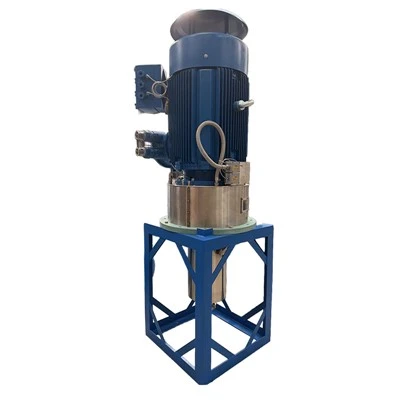
If you’re ready to stop dealing with constant pump failures, wasting money on over-sized or ill-fitting equipment, and want to find the right high pressure slurry pump for your specific needs, we’re here to help. Reach out to our team to discuss your application, share details about the slurry you’re moving, your required pressure and flow rate, and any challenges you’re facing with your current pump systems. We’ll walk you through the different pump options, help you choose the best fit, and provide support for installation, maintenance, and long-term upkeep. Don’t let a bad pump hold your operations back—connect with our team today to start finding a reliable, efficient high pressure slurry pump tailored to your needs.
Reciprocating Pump References
- Karassik, I. J., Messina, J. P., Cooper, P., & Heald, C. C. (2008). Pump Handbook (4th ed.). McGraw-Hill.
- Manke, J. D. (2019). Slurry Pump Design and Selection. Journal of Petroleum and Industrial Fluid Handling, 37(2), 112-128.
- American Water Works Association. (2021). Wastewater Slurry Handling: Best Practices for Pump Selection and Maintenance. AWWA Press.
- Mining Equipment Manufacturers Association. (2020). High Pressure Pumps for Mineral Processing Operations. MEMA Technical Report Series.
Hangzhou Turbo Energy Technology Co., Ltd.
As one of the most professional high pressure pump manufacturers and suppliers in China, we’re featured by quality products and good price. Please rest assured to buy advanced high pressure pump made in China here from our factory. We also accept customized orders.
Address: C712, Block C, Westlake International Science and Technology Building, Huaxing Branch Road, Xihu District, Hangzhou, Zhejiang, China.
E-mail: sales@turboenergytech.com
WebSite: https://www.hangzhouturboenergy.com/
