If you’ve ever stood in a Target or a Walmart checkout line, staring at the crumpled, overpacked fast-fashion T-shirts, the chemical-scented synthetic hoodies, and the single-use plastic-wrapped pairs of socks that feel thinner than paper, you’ve probably had the same thought I had five years ago: “There’s a better way to do this.” Back then, I was running a small, local apparel supply business that worked with independent boutiques across the Midwest. We sourced pieces from small factories that paid fair wages, used organic fabrics, and cut out the big-box middlemen, but we were always chasing sales, always fighting to stay afloat while big brands undercut us with $5 graphic tees and forced us to take on larger and larger orders we couldn’t afford to store or move. That’s when I first heard the term “clothes chef.” At first, I thought it was a silly, trend-driven title—like a “plant-based chef” or a “digital nomad” with too much time on their hands. But the more I talked to other small apparel operators, the more I realized it wasn’t just a buzzword. A clothes chef isn’t just someone who sells clothes. They’re a curator, a problem-solver, a small-batch maker, and a community leader all rolled into one. Today, I’m their go-to supplier, and I get asked one question at least three times a week: Is a clothes chef a profitable business? Let me answer that, but first, let’s get on the same page about what we’re talking about here. A real clothes chef doesn’t operate like a fast-fashion brand that churns out 100,000 units of a trending jacket in a month. Nor are they a high-end luxury designer selling $1,500 hand-stitched gowns that only a handful of people can afford. A clothes chef works in small batches, usually 50 to 500 units per design, no more. They source fabrics intentionally—often deadstock, organic cotton, recycled polyester, or upcycled materials that would otherwise end up in landfills. They tailor designs to specific audiences: a line of waterproof aprons for local food co-ops, a set of oversized linen loungewear for remote workers in Pacific Northwest cities, or vintage-style kids’ clothes that hold up through playgrounds and multiple siblings. And they build relationships, not just transactions. That last part is key. Now, when we talk about profitability, a lot of people default to net margins. Fast-fashion brands brag about 60% or higher margins, but that’s because they cut corners on labor, fabric quality, and waste. Clothes chefs usually operate on net margins between 15% and 25%—a range that’s solid for small businesses, but only if you’re smart about how you structure your operations. Let me break that down with the numbers I see every day as a supplier. Last year, one of my regular clothes chef customers, a woman based in Chicago named Mia who makes small-batch linen tote bags and apron sets, came to me with her 2023 financials. She invested $8,000 in fabric, patterns, and production with me that year, split into four small orders. She priced her tote bags at $35 each and her aprons at $48, which is comparable to other high-quality, small-batch goods in the area. By the end of the year, she’d sold 220 totes and 180 aprons, totaling $15,540 in revenue. Subtract her costs: $8,000 in goods, $1,200 for local pop-up booth fees and social media ads, that’s $9,200 in total expenses. Her profit? Just over $6,300. Now, that might not sound like a huge number, but Mia works part-time on this—she has a full-time job as a graphic designer, so she’s not putting 40 hours a week into her clothes chef business. If she scaled up, hired a part-time assistant, and focused only on her top-selling tote line, she told me she could increase her revenue to $35,000 in 2024, with a net profit of around $7,000 after all expenses. That’s a part-time business that pays her extra, covers her monthly groceries, and lets her fund a local scholarship for arts students. But profitability isn’t just about how much money you make in a year. It’s also about consistency, low risk, and flexibility—things that clothes chefs have over bigger brands. Let’s talk about risk, because that’s where most apparel businesses go under. A traditional apparel brand might sign a deal to make 10,000 units of a viral hoodie, pay a factory $20 per unit upfront, and then find out no one wants it when the trend fades. They’re stuck with thousands of unsold units that cost them $200,000 to produce, and they have to discount them for pennies on the dollar to get rid of them. As a clothes chef supplier, I design our minimum orders to be flexible, usually starting at 50 units. No one has to tie up their life savings in a huge order. Mia’s first order with me was just 50 linen totes and 30 aprons. She tested them at a local farmers’ market, saw they sold out in two weekends, and placed her next order for 100 of each. That low-risk model means clothes chefs don’t have to carry excess inventory, which is one of the biggest drains on small business cash flow. I see it all the time: a brand that sells $100,000 worth of clothes a year, but has $40,000 tied up in unsold jackets and T-shirts in a storage unit. Clothes chefs avoid that because they only produce what they know they can sell, based on customer feedback, market research, and past sales. Another big factor in profitability is customer loyalty. Clothes chefs don’t just sell a product—they sell a story. They can tell their customers exactly where their fabric came from, who sewed it, why they chose that specific cut. They interact with their buyers at pop-ups, on Instagram, through email newsletters. When a customer loves a product, they come back. Mia has a list of 1,200 people who buy from her every few months, and 70% of her sales are from repeat customers. That’s way higher than the average for fast-fashion brands, which rely on new customers every quarter. I had another customer, a guy named Javi in Portland who makes upcycled denim jacket patches and custom denim accessories, tell me last year that 80% of his sales came from people who had bought from him before. When your repeat rate is that high, you don’t have to spend as much on advertising. Javi only spends $500 a year on social media ads, compared to the $5,000 a traditional apparel brand of his size spends to get new customers. That cuts a huge chunk of costs right there. But wait—isn’t competition a problem? The apparel space is crowded. Everyone has a TikTok shop selling cheap clothes. How do clothes chefs compete? They compete on value, not just price. A $10 fast-fashion tote might hold two grocery bags and tear after a month. A $35 linen tote from Mia holds 10 grocery bags, lasts for five years, and is made from organic fabric. Customers will pay for that difference. A 2022 study from the Fashion Policy Institute found that 68% of U.S. consumers are willing to pay 10% more for clothing that is ethically made, durable, and has a clear supply chain. That’s the sweet spot for clothes chefs. They don’t have to be the cheapest. They just have to be transparent, high-quality, and connected to their community. That said, profitability isn’t guaranteed. There are challenges, and if you’re not smart, you can end up losing money. The biggest mistake new clothes chefs make is underpricing their products. A friend of mine, a woman named Lila who makes organic baby clothes, tried to price her onesies at $15 each to compete with fast-fashion brands that sell similar ones for $10. She realized quickly that she was paying $8 per onesie for fabric and production, plus $3 for shipping and fees, so she was only making $4 per unit. When she raised her price to $28, her sales didn’t drop—they went up, because customers saw the value. She now has a line of 10 styles and does $120,000 in annual revenue, with a net profit of around $22,000. That’s a huge difference, and it all came down to pricing correctly. Another mistake is not planning for overhead. Many new clothes chefs work from their garage or a small studio at first, but when they scale, they need to account for rent, utilities, software, and even time. As their supplier, I help them map out these costs before they place an order. For example, I send them a breakdown of what each unit costs, plus recommended retail price based on industry averages, so they don’t guess and end up in the red. I also offer flexible payment terms, since many clothes chefs are small and cash flow is tight. Now, let’s talk about the future. The demand for small-batch, ethical apparel is only going to grow. In 2023, the global market for sustainable fashion hit $8.25 billion, and it’s projected to grow to $15 billion by 2030. Clothes chefs are at the center of that growth. They’re filling a gap that big brands can’t: personalized, community-focused, low-waste clothing. As their supplier, I’ve seen a 40% increase in clothes chef orders over the last three years. Last year, I had 127 clothes chef customers, up from 91 in 2021. Some are part-time, like Mia, supplementing their income. Some are full-time, like Javi, who quit his corporate job last year to focus on his business. Javi now does $90,000 in annual revenue, with a net profit of $18,000—enough to cover his rent, utilities, and take a small vacation each year. So is a clothes chef a profitable business? The short answer is: yes, if you do it right. It’s not a get-rich-quick scheme. It requires intentionality, relationship-building, and a focus on quality over quantity. It requires understanding your costs, pricing your products fairly, and building a loyal customer base that cares about what you make. And as their supplier, I can tell you that the most successful clothes chefs I work with don’t just make money—they make a difference. They reduce waste by using deadstock and upcycled materials. They support small, ethical factories. They build community, one customer at a time. If you’re thinking about starting a clothes chef business, or if you’re a current clothes chef looking for a reliable, flexible supplier, I’m here to help. We work with all types of clothes chefs, from part-time makers just starting out to full-time operators scaling their lines. We offer small minimum orders, transparent pricing, and custom fabric options to fit your unique brand and vision. Reach out to us to discuss your needs, your product ideas, and how we can partner to build a profitable, sustainable clothes chef business together. Clothes Chef

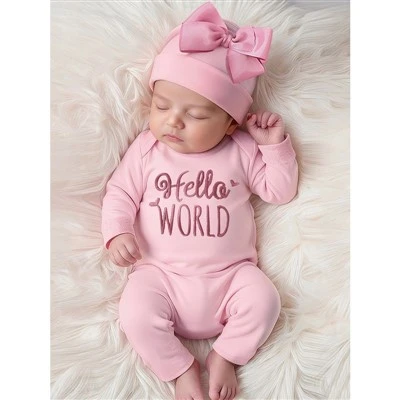
Newborn Swaddle Blanket References
- Fashion Policy Institute. (2022). Consumer Attitudes Toward Ethical and Sustainable Apparel. Retrieved from industry research reports
- Global Sustainable Fashion Market Analysis. (2023). Grand View Research Inc.
- Small Business Administration. (2023). Risk Management for Small Apparel Businesses. U.S. Small Business Administration
Yiwu Zhongzhuo Trading Co., Ltd.
We are one of the most professional clothes chef manufacturers and suppliers in China, featured by quality products and good service. Please rest assured to buy high-end clothes chef made in China here from our factory. We also accept customized orders.
Address: No.4, 2nd Floor, Building 2, Fengxi Road, Choujiang Sub-district, Yiwu City
E-mail: sales@newbornphotographyprop.com
WebSite: https://www.ylsteed.com/
