If you’re reading this, you’re probably staring at a pad mounted transformer that tripped for the third time this month, and you’re Googling every permutation of “why does my pad transformer keep tripping” like it’s a magic spell. I get it— I’m a pad mounted transformer supplier, and half the calls I get are from folks who’re this close to swapping their whole unit out, but don’t wanna waste cash on a fix they didn’t diagnose right. Let’s cut the jargon and get real: most of the time, tripping ain’t some random transformer gremlin— it’s a fixable, preventable issue, and half the time it’s not even the transformer’s fault. Pad Mounted Transformer

First off, let’s get the basics straight: a pad mounted transformer’s circuit breaker (or fuse, depending on your setup) trips to protect the whole system— not just the transformer. It’s a safety shutoff, like a smoke alarm for your power stuff. So when it trips, something’s wrong enough that the breaker doesn’t wanna risk melting wires, starting a fire, or frying your whole load. That said, let’s break down the most common culprits, starting with the ones that are way easier to fix than you think.
-
Overloading the transformer— and yeah, I see this ALL the time. A lot of folks buy a transformer that’s slightly underrated, or they add new gear (say, a bunch of AC units, industrial tools, or even a commercial kitchen’s appliances) and don’t adjust their load. Let’s keep this simple: every pad transformer has a max kVA rating— that’s how much power it can handle nonstop. If you’re cranking 100 kVA through a 75 kVA transformer, it’s like running a 2000-watt microwave on a 15-amp outlet: it’s gonna trip, hard, to keep from burning up the windings. The kicker here? A lot of new installers skip load calculations, or they “guess” because they don’t wanna pay the extra 200 bucks for a bigger transformer. But here’s the thing I tell all my regulars: overloading’s the #1 reason transformers trip, and it’s totally avoidable. Last quarter, a café in downtown Austin called me because their 150 kVA transformer tripped every night at 6 PM when the ovens turned on. Turned out they added a new espresso machine and a pastry display case, pushing their load to 175 kVA— so they just swapped to a 200 kVA unit, and problem gone. No fancy repairs, no downtime, just matching the transformer to the actual load.
-
Ground faults— this is another big one, and it’s way sneakier than overloading. A ground fault happens when a live power wire touches something it shouldn’t— like a frayed wire in your AC unit, a faulty water heater, or even a rodent chewing through a cable. The breaker detects that “leak” of power to the ground and trips immediately to stop shock hazards. The tricky part here? Ground faults don’t always trip right away. Sometimes it’s a tiny leak that builds up over days, so your transformer will trip out of nowhere, with no obvious issues. I once had a mechanic call me saying his pad transformer tripped, and all his tools tested fine— turned out his welding cart’s power cord had a tiny fray, and every time he moved it a little, the wire touched the metal cart, causing a ground fault. Replaced the cord, transformer stopped tripping. Pro tip: if your transformer trips at random, not just when you’re running heavy gear, grab a multimeter and test for ground faults on your downstream circuits. If you don’t know how to do that, a licensed electrician can check for you— it’s way cheaper than replacing a transformer.
-
Internal transformer issues— okay, so sometimes the problem IS the transformer itself, and that’s the stuff we as suppliers see regularly. But before you panic, most internal tripping is from small, fixable wear and tear, not a full break. Let’s list the top internal culprits: first, damaged windings. Windings are the copper coils inside the transformer that transfer power. If they get bent during shipping (and yeah, that happens— even with padded packaging), or if moisture gets inside the unit (if the seal on the pad’s lid cracks, or water sits on the pad for weeks), the windings corrode, leading to short circuits that trip the breaker. Then there’s dirty oil. Most pad transformers use mineral oil to insulate and cool the windings. If moisture, dust, or debris gets in the oil, it breaks down the insulation, causes a surge, and trips the breaker. A quick oil test and a fluid change (we do this as part of our maintenance packages for repeat customers) fixes that 9 times out of 10. The worst internal issue? A bad tap changer— that’s the part that adjusts voltage, sometimes from line drops or grid changes. If the tap changer is faulty, it can cause voltage spikes that trip your circuit. But even that’s usually a cheap repair, not a full transformer swap.
Wait, and let’s not forget about external grid issues. A lot of people blame their transformer, but sometimes the problem is the power company’s side. If there’s a surge on the grid— like a lightning strike, or a line repair that causes a power spike— your transformer’s breaker is gonna trip to protect it. Lightning is a huge one here: a single strike a mile away can send a surge that blows your breaker, even if the transformer doesn’t get damaged. If your transformer trips almost every time there’s a storm, a surge protector (we sell those specifically for pad transformers) can fix that, no transformer replacement needed.
Now, let’s talk about when tripping means you actually do need a new transformer. If you’ve tried all the above— checked your load, tested for ground faults, had the oil changed, had the grid tested— and it still trips? That’s when you gotta start thinking about a swap. Common red flags here: the transformer is over 20 years old, it’s rusted through the tank (moisture getting in is a death sentence for windings), or it trips even at low loads, like when you turn on a single light. Those are signs the internal parts are too worn out to fix, and a new unit’s gonna save you more cash long-term than patching an old one that’s gonna keep giving you headaches.
But here’s the thing I always tell people: don’t jump to buying a new transformer first. 70% of the tripping calls we get end up being a fix that costs less than $100, not a $2,000 unit. We’ve had folks spend thousands on new transformers when all they needed was a new breaker, or a load calculation, or a surge protector. That’s why I always recommend walking through the steps: check your load, test for ground faults, inspect for moisture or physical damage on the transformer, check the grid for surges. If none of that works, hit us up— we can help diagnose it, and if you do need a new pad mounted transformer, we’ve got units for every kVA, budget, and use case, from commercial shops to industrial sites to neighborhood subdivisions.
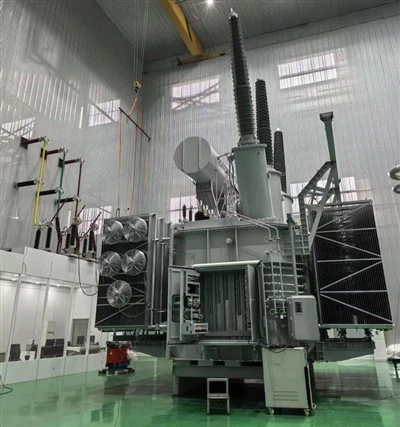
I get it, dealing with a tripping transformer is stressful. Your whole business might be depending on that power, and downtime costs you way more than a quick fix. That’s why we make the process easy: no hoops to jump through, no confusing jargon, just honest advice on what’s wrong, and a clear path to get you back up and running. Don’t waste another afternoon troubleshooting alone— if you’re still stuck, reach out, let’s get your transformer stopped tripping for good.
Corrugated Transformer Tank References
- Electrical Safety Foundation International. (2022). Pad-Mounted Transformer Safety and Troubleshooting Guide.
- IEEE. (2021). Recommended Practice for Loading Mineral-Oil-Immersed Transformers.
- National Electrical Manufacturers Association. (2020). Pad-Mounted Transformer Design and Application Standards.
Nantong Zhihe Electric Co., Ltd.
As one of the most professional pad mounted transformer manufacturers and suppliers in China, we’re featured by quality products and low price. Please rest assured to wholesale cheap pad mounted transformer made in China here from our factory. Customized orders are welcome.
Address: NO.202 Jianghai West Road, Hai’an Town, Hai’an City, Jiangsu Province
E-mail: chiaragao123@gmail.com
WebSite: https://www.ntzhelectric.com/
