Let’s cut to the chase—if you’re reading this, chances are you’re staring at a pile of extra automotive MCUs (microcontrollers) in your warehouse, wondering if anyone actually wants them. Maybe you’re an auto parts distributor who overordered for a 2024 pickup model that flopped, a small-tier OEM stuck with a batch of ECUs that got delayed, or even a hobbyist who inherited a pallet of chips from a closed repair shop. Whatever the case, I’ve been on the other side of that panic for years—we’re the team that buys this excess stock, and let me tell you: the short answer is yes, there are tons of buyers out there, but only if you know where to look and how to make your stock worth their time. Excess Microcontroller Inventory Buyers
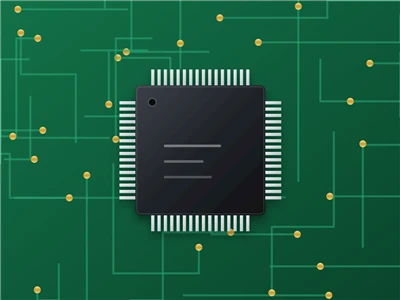
Let’s start with why there’s so much extra automotive MCU stock floating around right now, because that sets the stage for why demand is actually higher than most people think. Post-pandemic, everyone was panicking about chip shortages, right? Auto manufacturers were hoarding MCUs like toilet paper during a lockdown, ordering 20% more than they actually needed just to have a buffer. Then 2022-2023 hit, sales slowed way down—SUVs that were flying off lots suddenly sat for months, and all those extra chips? They never got used. Then there’s the whole model year cycle chaos: OEMs launch a new trim, like a “base luxury” package, and then cancel it six months later, leaving a full run of MCUs programmed for that exact trim. Or maybe a tier 2 supplier got a contract for 50,000 ECU controllers, only for the big OEM to switch to a new vendor last minute, and they’re stuck with 18,000 chips that aren’t usable for the original job. That’s our bread and butter.
Now, let’s talk about who’s actually buying this stuff, because it’s not just some random person on Craigslist (trust me, we get those inquiries too, and 9 times out of 10 they’re fake or the stock is junk). First up are the smaller auto repair shops and independent parts distributors. Wait, hear me out—big OEMs only sell official replacement parts, right? But those official MCUs are marked up so high it’s insane. A replacement MCU for a 2021 Toyota Camry that costs the dealer $120 from the OEM can go for $350 to a customer, and that’s if it’s in stock. Independent shops don’t have the budget to hoard $350 parts, and they can’t wait 2 weeks for OEM shipping—so they’ll buy our excess stock for 40-60% less than the OEM price, program it themselves, and sell it at a profit. We work with over 200 of these small shops across the US, and every month they’re reaching out asking for specific MCU part numbers because they can’t get them fast enough. Last quarter, we sold 12,000 of a TI MSP430 that Ford had overordered for their 2022 Escape, to a chain of 15 repair shops in the Southeast that couldn’t source it through their usual suppliers.
Next on the list are the aftermarket automotive parts manufacturers. This is a huge one that a lot of people don’t talk about. If you’ve ever put a new touchscreen in your car, a performance tuner, or a LED light controller, that’s an aftermarket product, and every single one of those has an MCU. These companies don’t want to deal with the long lead times and minimum orders from big MCU brands like NXP or Infineon—they might only need 5,000 chips for a new line of tuners, and ordering 100,000 from the brand is a waste of money. They’ll buy our excess stock because it’s already certified (we test every batch, by the way—no counterfeits, that’s a non-negotiable rule for us), it’s pre-programmed if they need it, and they can get it in 2 days instead of 8 weeks. We had a small performance parts company in California reach out to us last year because their supplier backed out of a contract for 7,500 STMicroelectronics AURIX MCUs, and they needed them to launch their new line of electric vehicle control modules. We had that exact batch sitting in a warehouse in Ohio, bought it from a tier 2 supplier that got left holding the bag, and sold it to them in 3 days—they saved over $200,000 compared to ordering straight from ST.
Then there’s the salvage auto industry. If you’ve ever seen a junkyard with a whole wall of used car parts, that’s the side of the business that buys excess MCUs. Junkyards take apart totaled cars, and if they have a lot of the same model from the same year, they’ll end up with extra MCUs. Wait, no—actually, the salvage companies that process the cars, not the individual junkyards. They buy bulk salvage, sort out the parts that are worth selling, and a lot of them partner with us to source extra MCUs that they can’t get from totaled cars. For example, if there’s a 2020 Honda Civic that gets totaled, the MCU for the engine control unit is worth saving, but if a bunch of Civics from the same model year get totaled, you might have 10 MCUs, but you need 50 to keep your inventory stocked. So we sell them the excess stuff at a fair price, and they turn around and sell it to individual junkyards and do-it-yourselfers online. Last month, we sold a batch of 9,000 Renesas MCUs that GM overordered for their 2023 Equinox, to a salvage processor in Texas that needed them for parts sales.
Now, here’s the part that most people get wrong: not all excess automotive MCUs are equal. You can’t just dump a pallet of random chips and expect someone to buy them. Let’s be real—no buyer wants a box of untested, uncertified, old part numbers that have been sitting in a warehouse for 5 years. So what makes your stock sellable? First, it needs to be genuine, not counterfeit. That’s the biggest red flag for every buyer out there. We test every single batch we get—we check the part number, the date code, run a diagnostic to make sure the chips work, and we give a full COA (Certificate of Authenticity) to anyone who buys from us, and we expect the same from the sellers we work with. Second, it needs to be relevant to recent model years. No one wants an MCU for a 2010 Toyota Corolla anymore, because those cars are old enough that most people just scrap them or don’t need replacement parts for them. Stock for 2020-2024 model years is hot right now—shops, aftermarket companies, and salvage all want that, because those cars are still on the road and needing parts. Third, it should be in original packaging, or at least sealed. Chips that have been opened can get damaged from dust, moisture, or just being handled wrong. We won’t buy opened and unused stock because we can’t guarantee it works, and neither will most legitimate buyers.
Wait, what about the “junk” stock that people think is worthless? Like, chips that have a slightly different part number, or a programming error, or a date code that’s a few years old. Can you sell those? Sometimes, but only if you work with the right buyers. There are companies that specialize in reworking or reprogramming MCUs—they’ll take chips that have the wrong part number, erase the old program, and load the new one that a customer needs. We actually work with a couple of these rework companies, and they’ll buy stock that we can’t sell for full price, like chips with minor packaging damage or date codes from 2018-2019, for 20-30% of the original market price. It’s not as much money as selling the good stock, but it’s way better than letting it collect dust in your warehouse or throwing it away.
Let’s talk about the mistakes people make when they’re trying to sell their excess MCUs. First, they price it too high, thinking it’s the same as OEM. No one will pay $300 for a chip you bought for $50, when they can go through us and pay $120. We always tell people to check the current market price for their specific part number on sites like Digi-Key or Mouser, and then price their excess 40-60% lower than that. That’s the sweet spot—buyers know they’re getting a deal, and you’re not leaving money on the table. Second, they don’t vet the buyer. A lot of sellers get scammed by people who offer to buy all their stock, ask for a deposit, and then disappear, or offer to buy but want you to ship the stock before paying. We have a whole process for that—we verify every seller, we pay them upfront before we pick up the stock, and we offer a full refund if the stock doesn’t match what we agreed on. Third, they don’t be transparent. If the chips have a slight date code, or were ordered for a canceled contract, tell us upfront. We don’t penalize you for that, and it makes the process way faster. If you hide that, we might find out when we test the stock, and that leads to delays or lost deals.
I also want to address the elephant in the room: is this a good time to sell, or should you hold on? A lot of people are waiting for chip prices to go back up, but here’s the thing—right now, the supply of excess automotive MCUs is still really high. Most OEMs and tier 2 suppliers are still stuck with batches from 2022-2024, and there’s no sign of that slowing down anytime soon. Wait another year, and those date codes will be even older, and the stock will be worth less. Plus, new MCUs are coming out every year—chips that work for 2025 models are already hitting the market, and the old ones will become obsolete. If your stock is for 2020-2024 models, selling it now is the best move, because demand is high and supply is still plentiful.
Let me give you a real example to put this in perspective. Last year, a tier 2 supplier in Michigan reached out to us with 22,000 NXP S32K144 MCUs. They’d ordered them for a contract with a major OEM, but the OEM canceled the contract 2 months before delivery. The stock was sealed, date code 2023, perfect condition. We bought it from them for 55% of the current market price. We turned around and sold 10,000 to a chain of independent repair shops in the Midwest for 70% of market, 8,000 to an aftermarket EV parts manufacturer in California for 65% of market, and 4,000 to a salvage processor in Georgia for 50% of market. We made a small profit on each batch, and the original supplier got back most of the money they spent on the stock, without having to warehouse it or deal with finding buyers themselves. That’s the kind of win-win this business is all about.
Now, let’s be clear—we’re not some fly-by-night operation. We’ve been doing this for over 10 years, and we work with all kinds of sellers: small distributors, big OEMs, tier 2 suppliers, even individual people who inherited a small pallet of chips from a family business that closed. Our whole model is to take the stress out of excess inventory—we come to you, we test the stock right there (or you can ship it to us, whatever works), we pay you upfront, no hoops, no hidden fees. We don’t buy counterfeits, we don’t lowball people, and we don’t ghost anyone.
So, if you’re sitting on excess automotive MCU stock, don’t assume no one wants it. There are buyers out there, and we’re one of the top ones in the space. The only thing you need to do is reach out, tell us what part numbers you have, how many chips, the condition, and the date code. We’ll get back to you within 24 hours with a fair offer, no pressure, no obligations.
Wait, one last thing—we also handle all the logistics. You don’t have to rent a truck to move the stock, or deal with shipping, or figure out how to package sensitive electronics. We take care of all of that, so you just get paid and move on with your business. It’s that simple.

At the end of the day, excess automotive MCUs aren’t worthless scrap. They’re valuable parts that small businesses, repair shops, and manufacturers need to keep cars running and build new products. If you’ve got extra, don’t let it sit and lose value—reach out to the right buyer, and turn that dead inventory into cash.
Excess FPGA Inventory Buyers References:
- Society of Automotive Engineers (SAE) International. (2023). Global Automotive Semiconductor Supply Chain Trends Post-Pandemic.
- Automotive News. (2024). Independent Repair Shops Turn to Excess MCU Stock as OEM Replacement Part Costs Rise.
- IC Insights. (2023). Excess Semiconductor Inventory: Automotive Sector Update.
- Aftermarket Auto Parts Alliance. (2024). 2023 Aftermarket Parts Sourcing Survey: Supplier Preferences for MCUs.
Xiangda Electronics (HK) Limited
Xiangda Electronics (HK) Limited is one of the most experienced excess microcontroller inventory buyers and suppliers in China. We purchase electronic components in a wide range of quantities, including factory excess stock, surplus inventory, project leftovers, obsolete and discontinued parts, EOL components, and slow-moving inventory. If you have any enquiry about cooperation, please feel free to email us.
Address: ROOM A 3/F WING TAT COMMERCIALBUILDING 121-125 WING LOK STREET SHEUNG WAN HK
E-mail: vicky@xdic.com.cn
WebSite: https://www.electronicinventorybuyer.com/
