If you’re in the market for a lowbed trailer—whether you’re hauling construction excavators, heavy farm equipment, or oversized industrial machinery—you already know the hitch is way more than just a metal pin that connects your trailer to the truck. As someone who’s spent over a decade as a lowbed trailer supplier, I’ve seen firsthand how a cheap, mismatched hitch can turn a routine haul into a roadside nightmare. In this post, I’m breaking down the exact requirements we prioritize for every hitch we spec into our trailers, so you don’t make the same mistakes I’ve seen fleets make. Lowbed Trailer
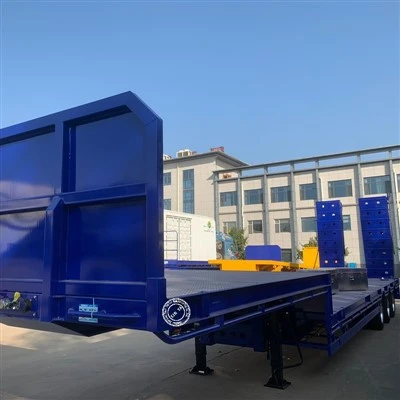
First off, let’s get one thing straight: there’s no “one size fits all” when it comes to lowbed trailer hitches. The right hitch depends on your typical load, your truck’s specifications, and even where you’re driving (like whether you’re navigating tight city streets or cross-country mountain passes). But let’s start with the non-negotiable basics that every heavy-duty lowbed hitch needs to check off.
For starters, weight rating. This isn’t just a suggestion—it’s a hard limit. Our lowbed trailers are designed to handle gross vehicle weights (GVW) up to 80,000 lbs, and the hitch has to hold up to that. When we spec a hitch, we don’t just look at its static rating (the weight it can hold when it’s not moving); we check its dynamic rating too, because that’s what matters when you’re accelerating, stopping, or hitting a pothole. I’ve had a customer years back who tried to save $300 by going with a hitch rated 10,000 lbs less than their trailer’s max. Halfway through a haul of a 50,000-lb bulldozer, the hitch’s neck bent so bad they had to call for a tow and fork over double the repair cost to fix both the trailer and the truck. Don’t do that. Always match the hitch’s dynamic weight capacity to the total combined weight of your trailer and its heaviest load, plus a 10% buffer just to be safe. If you’re regularly hauling loads that push the edge, go higher—you’ll thank yourself later.
Next, type of hitch. This is where a lot of people get confused. For lowbed trailers, the two most common options are gooseneck hitches and pintle hitches, and each has its own use case. Let’s break them down. Gooseneck hitches are the go-to for most heavy hauls because they mount into the truck’s bed (or via a fifth-wheel adapter, wait no—wait, fifth-wheel is different, right? No, hold on, let me clarify: gooseneck is a hitch that sticks up from the truck’s frame, fits into a coupler on the lowbed’s frame, and transfers weight low to the truck’s rear axle, which improves stability for super heavy loads. Pintle hitches, on the other hand, are a bit more rugged—they have a hook instead of a ball, which works great for off-road, muddy, or uneven terrain where you might need a little extra “give” when hooking up. But here’s the catch: pintle hitches aren’t ideal for loads that need precise alignment, because they can pivot more than a gooseneck, which might make your lowbed sway at highway speeds. If you’re sticking to paved roads and hauling big, bulky equipment, gooseneck is your best bet. If you’re doing a lot of work on construction sites with rough ground, a heavy-duty pintle (rated for at least 150% of your max load) is the way to go. We stock both types at our shop, and we always ask customers what their typical routes are before recommending one—no guesswork.
Then there’s the material and build quality. Cheaper hitches are often made from mild steel, which bends or cracks under repeated stress. At our facility, we only use hitches made from quenched and tempered steel—this is steel that’s heated and cooled to make it way stronger than regular steel, but still flexible enough to handle small shocks without breaking. We also look for things like forged components: the hitch’s pin, the coupler latch, even the reinforcement plates around where the hitch mounts to the trailer frame have to be forged, not just welded. Welded parts can snap if the weld is faulty, but forged parts are made from a single piece of metal, so they’re way more durable. I’ve seen a cheap welded hitch break clean in half on an interstate at 65 mph—no exaggeration, that customer lost their entire load and had to deal with a ton of legal mess. Skip the low-grade steel, spring for forged, quenched and tempered every time.
Compatibility with your truck. This is a huge one that’s often overlooked. Your lowbed’s hitch has to fit your truck’s hitch receiver, plain and simple. For gooseneck hitches, that means the kingpin (the part that goes into the truck’s coupler) has to match the truck’s hitch size—most common are 2-5/16 inch ball sizes, but some trucks use 3-inch, so double-check. For pintle hitches, the lunette ring (the metal ring that connects to the hook) has to fit the truck’s ball or hook mount, and the mount itself has to be rated for your truck’s towing capacity. Also, don’t forget about the truck’s frame strength—if your truck has a 12,000-lb towing limit, even if your hitch is rated for 25,000 lbs, that’s the hard limit you can’t cross. I once had a customer try to put a 20,000-lb hitch on a truck with a 10,000-lb rating—when they pulled a 15,000-lb load, the truck’s frame twisted so bad it cracked. It wasn’t the hitch’s fault, but they still had to replace both. Always align the hitch’s rating with both your trailer and your truck’s specs, not just the trailer.
Add-ons that actually matter. A lot of hitch manufacturers will try to sell you fancy add-ons, but only a few are worth the cash for lowbed trailers. First, a safety latch. This is a small metal piece that keeps the hitch’s pin from coming loose while you’re driving. I can’t tell you how many times I’ve heard about a hitch uncoupling because the operator forgot to lock the latch—one customer in Texas lost a 40,000-lb road grader on a highway because of that. It’s a $20 part, and it could save you thousands. Second, a shock-absorbing hitch component. If you’re doing a lot of stop-and-go driving, or hauling fragile equipment (wait, no, lowbed’s for heavy stuff, but still), a shock-absorbing hitch reduces the jolts from potholes or sudden stops, which reduces stress on both the hitch and the trailer. It’s not mandatory, but it’s a lifesaver for long hauls. Third, a tilt feature? No, wait, lowbed trailers have tilt beds, not hitches, so skip that. Stick to the safety latch and shock absorber, and you’re good.
Installation is make-or-break. Even the best hitch in the world won’t work if it’s installed wrong. When our team puts a hitch on a lowbed trailer, we don’t just bolt it to the frame—we reinforce the frame with extra steel plates where the hitch mounts, because the area around the hitch takes a ton of stress. We also torque every bolt to the exact spec the manufacturer recommends, using a torque wrench, not just a wrench and elbow grease. A lot of independent shops will cut corners here, just tightening bolts by hand, which can loosen over time. If you’re buying a trailer from a supplier like us, we include professional installation with every hitch, so you don’t have to worry about it. If you’re retrofitting a hitch yourself, follow the instructions to the letter—don’t skip the torque steps, don’t use cheap bolts, and make sure the frame is reinforced properly. I’ve seen a hitch fall off a trailer on a backroad because the shop installed it with regular bolts instead of heavy-duty ones—never again, that’s a mistake no one wants to repeat.
Now, let’s talk about common myths. A lot of people think a heavy hitch automatically means a good hitch, but that’s not true. A 10,000-lb hitch that’s poorly built is way worse than an 8,000-lb hitch that’s forged and properly rated. Another myth: you can use a car’s hitch for a light load, but that doesn’t apply here. Lowbed trailers are for heavy equipment, so even a light load on a lowbed needs a heavy-duty hitch. And finally, some people think a pintle hitch is only for off-road, which is true, but make sure it’s a “heavy-duty pintle” not the light one for ATVs. Using an ATV pintle for a tractor is a fast track to disaster.
At the end of the day, the hitch is the link between your trailer, your load, and your truck. Skimping on it isn’t worth the savings. As a lowbed trailer supplier, I’ve built our business on making sure every hitch we install checks every one of these boxes: correct weight rating, right type for your use case, forged steel build, compatible with your truck, and installed properly. If you’re not sure what kind of hitch is right for your fleet, don’t guess—reach out to us, and we’ll walk you through your options. Whether you’re hauling a single bulldozer cross-country or moving multiple pieces of farm equipment around the state, we’ll help you pick a hitch that’s safe, reliable, and built to last.
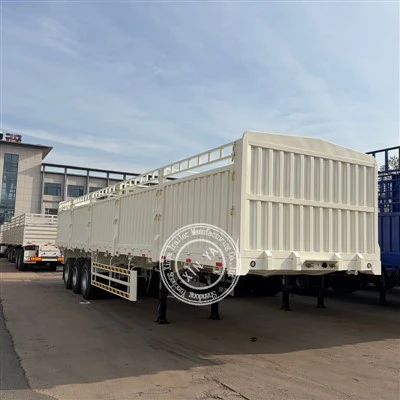
If you need more info on lowbed trailer hitches or want to discuss options for your specific hauling needs, feel free to connect with our team for a no-pressure consultation. We’re here to make sure you get the right equipment for the job, no hidden fees or confusing jargon.
Flatbed Semi Trailer References:
- Heavy Equipment Transport & Trailer Association. (2022). Best Practices for Towing Oversized Loads.
- National Highway Traffic Safety Administration. (2021). Towing Safety Standards for Commercial Heavy-Duty Vehicles.
- Trailer Building & Maintenance Institute. (2023). Hitch Design and Installation Guidelines for Lowbed Trailers.
Shandong Yuncheng Xinya Trailer Manufacturing Co., Ltd.
Shandong Yuncheng Xinya Trailer Manufacturing Co., Ltd. is one of the most experienced lowbed trailer manufacturers and suppliers in China, featured by quality products and good service. Please rest assured to buy CE approved lowbed trailer from our factory. Contact us for customized service and OEM service.
Address: No. 008, Hexie Road, Yangzhuangji Town, Yuncheng County, Heze City, Shandong Province
E-mail: fiona@xinyatrailer.com
WebSite: https://www.china-truckfactory.com/
