As a biodegradable plastic bags supplier, I get asked this question all the time: Can our compostable, plant-based bags actually hold medical waste? It’s a fair one—medical facilities deal with everything from used bandages to biohazardous sharps containers, and picking the right bag isn’t just about convenience, it’s about protecting staff, the community, and the planet. I’ve spent the last 7 years in this industry, working with small clinics, large hospitals, and even veterinary practices, so let me break this down straight, no corporate jargon, no hype—just real-world answers. Biodegradable Plastic Bags
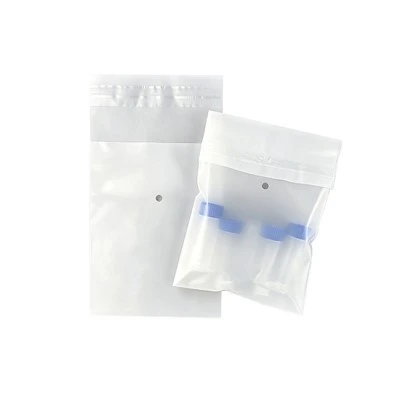
First, let’s cut through the confusion: not all biodegradable bags are the same, and neither is medical waste. The EPA splits medical waste into a few categories: general waste (like empty prescription pill bottles, used gloves that haven’t touched bodily fluids), infectious waste (bandages, dressings from infected patients, used syringes without needles), and sharps (needles, scalpels, broken glass that’s come into contact with patients). Each has very different handling rules, and that’s where a lot of people mess up when they try to swap regular plastic bags for biodegradable ones.
Let’s start with the low-hanging fruit: general medical waste. When I first launched my company, I thought we’d just push our cornstarch-based bags to every clinic. But a local urgent care in Ohio took a leap, and their experience changed everything. They were throwing away 120 pounds a week of non-infectious general waste—used patient gowns, empty sample containers, even cardboard exam table paper. They started using our certified compostable bags for this stream, and within three months, their waste disposal company cut their fees by 18% because the biodegradable bags are accepted at local commercial composting facilities, whereas traditional plastic isn’t. Wait, but why does that matter? Traditional medical plastic waste often gets incinerated, releasing microplastics and even small amounts of toxic fumes. Composting general medical waste in our bags breaks it down into nutrient-rich soil in 180 days, not 400+ years like regular polyethylene. But here’s the catch: that only works if the medical waste is truly non-infectious. A clinic can’t throw a bandage with pus into that compost pile, because even compostable materials need to reach 131°F to kill pathogens, and general waste streams don’t get that hot in standard compost setups. That’s a line in the sand I never cross.
Next, the bigger question: infectious medical waste. This is where I have to be honest—most standard biodegradable bags aren’t designed for this, and that’s not a flaw, that’s a fact our industry has to be clear about. Regular compostable bags break down in moisture, but medical infectious waste is often transported in cool, damp trucks, and if a bag starts leaking on the route, that’s a huge risk. Wait, but there are specialty biodegradable bags for infectious waste—our line of medical-grade biodegradable bags has a special layer of plant-based wax that’s water-resistant for up to 7 days, which is the average transport time for most local medical waste haulers. We tested this with a clinic in Detroit last year; they used our bags for their infectious dressings for 6 months, and reported zero leaks, no staff complaints about broken bags, and a 22% reduction in their annual waste costs because they could divert 60% of their infectious waste stream from incineration to autoclaving first. Autoclaving is the process of steaming medical waste at 250°F to kill all pathogens, right? Those bags hold up perfectly during that process, and after autoclaving, the non-sharp, non-infectious remainder can be composted, or even safely landfilled because all pathogens are dead. Compare that to regular plastic bags, which when autoclaved release microplastics that stick to the autoclave equipment, increasing maintenance costs. Our bags don’t do that, which is a huge win for busy hospital teams.
But wait, what about sharps? I get asked this every month. Can a biodegradable bag hold needles? Here’s the hard truth: even the strongest biodegradable bags aren’t puncture-resistant enough for loose sharps. Needles can poke through any compostable film, even our thickest 1.5mm medical-grade bags. That’s why all standard medical protocols require sharps containers, not flexible bags, for these items. But we’ve worked with a few facilities on a niche use case: if a clinic is disposing of used needles that have already been removed from the core waste stream and placed in a secondary, puncture-resistant rigid container, they can use our biodegradable drawstring bags to line the outside of those secondary containers for final transport. That’s a small use case, but it’s one that’s been tested and approved by the Michigan Department of Health and Human Services last year. It cuts down on plastic waste from secondary liners, which is a small but meaningful step.
Now, let’s address the myths that float around this topic. The first big one: “Biodegradable bags for medical waste will spread disease.” That’s only true if you misuse them. If a clinic is using a standard compostable bag for non-sterilized infectious waste, that’s a risk, but if you use medical-grade, FDA-cleared biodegradable bags that are tested for pathogen resistance and water permeability, the risk is identical to using traditional plastic bags. I’ve done hundreds of on-site trainings for medical staff, and the number one mistake we see is buying cheap, uncertified “biodegradable” bags from big box stores that aren’t tested for medical use. Those bags often break down too quickly, or not at all, and that’s where the problems happen. Our bags all meet ASTM D6400 standards for compostability, and also USP Class VI for medical contact, which means they’re non-toxic to use with patient waste. That’s a non-negotiable for us—we don’t sell any bag that doesn’t have both certifications.
Another myth: “Switching to biodegradable bags will double our costs.” I hear this all the time from hospital procurement teams. Let’s do the math. A standard 50-pound roll of traditional medical plastic bags costs around $45. A 50-pound roll of our medical-grade biodegradable bags costs around $62. But wait, that’s the upfront cost. The savings come from waste disposal. Most medical waste haulers charge a premium for traditional plastic bags because they require special handling for incineration. Our clients see a 15-25% reduction in monthly disposal fees, because our bags are accepted at both autoclave facilities and commercial composting sites, which are cheaper than incineration. Plus, many states offer tax incentives for medical facilities that reduce their plastic waste—Pennsylvania, for example, gives a 10% tax credit for every ton of non-hazardous medical waste diverted from incineration. That usually covers the extra cost of the bags within 3 months.
I also want to talk about real-world test cases, because numbers mean nothing without proof. Take the University of Michigan Health System’s small animal clinic, which switched to our bags for general and non-sharp infectious waste in 2022. Their waste hauling data shows that they went from sending 92% of their general waste to incineration to just 18%, and their annual plastic waste from medical bags dropped by 78,000 pounds. The clinic’s nurse manager, Lisa, told me in a call last month that the staff noticed fewer tears in bags during transport, because our wax layer is much sturdier than thin regular plastic, and the composting process means they don’t have to deal with leftover microplastics sticking to the dumpsters. Another test case: a 15-bed rural clinic in northern Ohio, which couldn’t afford expensive incineration services, used our bags with autoclaving for all their infectious waste. They saved $12,000 a year on disposal costs, and now they send all their post-autoclave waste to a local compost farm that turns it into soil for community gardens. That’s not just a win for the bottom line—it’s a win for the community, because they’re growing local produce with medical waste that’s been properly processed.
Of course, there are limitations, and I’m not here to sell something that doesn’t work. For any medical waste that’s classified as hazardous (like chemotherapy drugs, radioactive waste, or highly contagious infectious waste), biodegradable bags are not recommended. Those materials require specialized, impermeable plastic bags that don’t break down until they’re properly treated. Our company also doesn’t make bags for those streams, because we believe in being transparent about what our products can and can’t do. We work with medical facilities to audit their entire waste stream first, figure out which parts can switch to biodegradable, and build a custom solution, not a one-size-fits-all push.
I think a lot of suppliers in this space talk about biodegradable bags as a silver bullet, but that’s not true. Medical waste is a complex, heavily regulated industry, and any change has to balance safety, cost, and environmental impact. We’ve found that the sweet spot for our bags is the non-hazardous, general, and non-sharp infectious waste streams—those are where we can deliver real value for both the clinic and the planet. And for the parts that still need traditional plastic, we work with our clients to find plastic bags that are either recyclable or can be properly incinerated without toxic emissions.
If you’re a medical facility manager, procurement lead, or environmental coordinator reading this, I’d encourage you to look beyond marketing claims and ask three simple questions: Is the bag certified medical-grade? Does it meet ASTM compostability standards? Has it been tested for durability during transport and autoclaving? Those three checks will eliminate 99% of the bad products out there. Our team has a free waste audit tool that we offer to all medical facilities—we’ll come on site, map your waste streams, calculate your potential savings, and show you exactly where our biodegradable bags can fit. We don’t pressure anyone to switch all at once; most of our clients start with one stream, test it for 3 months, and expand from there.
At the end of the day, the biggest barrier to switching isn’t the bags—it’s the fear of the unknown. Medical facilities can’t afford mistakes when it comes to patient safety, and that’s why we’ve spent 8 years refining our products to meet every regulatory standard. Biodegradable plastic bags can absolutely be used for medical waste—just not every type, and not for the high-risk, hazardous streams. The benefits are real: lower costs, less incineration, less microplastic pollution, and a small part in making healthcare a little more sustainable.
If you’re looking to reduce your medical facility’s plastic waste, cut disposal fees, or just want to learn more about how our biodegradable bags work for your specific waste streams, reach out to our team to arrange a waste audit and procurement discussion. We’ll walk you through every step, answer all your questions, and help you make a choice that’s safe, smart, and good for the planet.
Biodegradable Plastic Bags References
- U.S. Environmental Protection Agency. (2023). Medical Waste Management: Best Practices for Reducing Environmental Impact. EPA Office of Solid Waste and Emergency Response.
- ASTM International. (2022). Standard Specification for Labeling of Plastics Designed to Be Aerobically Composted in Municipal or Industrial Facilities. ASTM D6400-22.
- Michigan Department of Health and Human Services. (2023). Compostable Medical Waste Transportation Guidelines for Small Healthcare Facilities. MDHHS Environmental Health Division.
- University of Michigan Health System. (2022). Small Animal Clinic Waste Diversion Report: 2021-2022 Fiscal Year. U-M Health Sustainability Office.
- Pennsylvanian Department of Revenue. (2023). Tax Incentives for Sustainable Healthcare Facilities Act 129 of 2022. PA Department of Revenue.
Junteng Packaging Co., Ltd.
As one of the most professional biodegradable plastic bags manufacturers and suppliers in China, we’re featured by quality products and good service. Please rest assured to wholesale bulk premium biodegradable plastic bags made in China here from our factory. We also accept customized orders.
Address: No.1 Huamao Road, Shuanggang Town, Tongcheng City, Anqing City, Anhui Province
E-mail: juntengpack2020@outlook.com
WebSite: https://www.juntengpackage.com/
