Hey there, if you’ve ever shopped around for wall or ceiling panels, you’ve probably come across UV marble sheets—they’re super popular right now because they look like real marble, but they’re way cheaper, lighter, and easier to install. I’ve been a UV marble sheet supplier for almost a decade, and while I love this product (it’s perfect for residential renovations, commercial offices, even rental properties where you want a high-end look without the high-end price tag), I’ve seen my fair share of customers run into problems that make them want to toss their whole order or swear off the material entirely. Today I’m breaking down the most common issues I run into, why they happen, and what you can do to avoid them (or fix them if they pop up). No fancy jargon, just straight talk from someone who deals with this stuff every single day. UV Marble Sheet
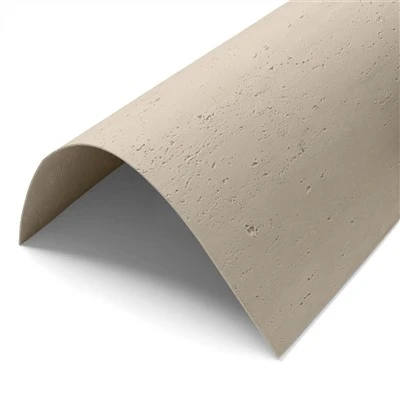
First up—wait for it—bad adhesion. This is like the number one complaint I get, hands down. I’ve had contractors message me at 2 a.m. (true story, last week) saying their panels are peeling off the wall before they even finished installing the last one. Let’s get one thing straight: UV marble sheets don’t stick to just anything. A lot of people assume “it’s a panel, use any construction adhesive,” and that’s where they go wrong. The top layer of these sheets is that shiny UV coating, right? It’s non-porous. If you slap on a general-purpose adhesive like your basic liquid nails, it can’t bite into the surface—it’s like trying to tape a toy to a waxed table; it just won’t hold. I’ve also seen people skip prepping the wall entirely. If your existing wall is dusty, has leftover paint, or even a thin layer of soap scum from a recent cleaning, the adhesive has nothing to grab onto. Last year I worked with a homeowner who tried installing over old wallpaper and all the sheets fell off a month later—no shame, I get why you’d try to skip demo, but that’s a recipe for disaster. Another adhesion culprit? Temperature and humidity when installing. If you’re doing the job in freezing cold weather, or in a super steamy bathroom without venting, the adhesive cures wrong, and the bond never sets properly. I always tell my customers: use a high-quality, porous-surface adhesive (we stock a compatible one for exactly this reason, fyi), scrub your wall clean and sand it lightly to give it texture, and install when the temp is between 60-80°F (15-27°C) for best results.
Next, that frustrating yellowing. Nobody wants their “pristine white” wall turning a weird, off-yellow tint after a few months, right? Yellowing is so common, and there’s usually a few different causes. First off—cheap UV coating. Not all UV marble sheets are created equal. Some cut corners with low-grade UV inhibitors to save money. Those cheap inhibitors break down fast when exposed to direct sunlight or even regular indoor lighting over time. I once had a client who bought a super cheap batch from a random online seller for a commercial storefront; after 6 months, the panels facing the front window were so yellow you could barely tell they were marble. The other big culprit? Chemical exposure. If you’re using the sheets in a kitchen, a lot of people spray heavy-duty oven cleaners, bleach-based disinfectants, or even ammonia-based bathroom cleaners directly on the panels. That harsh stuff eats away at the UV coating, leading to discoloration. I’ve had customers use just mild dish soap and water for cleaning and never had a yellowing issue, but the folks who scrub with industrial cleaners? Yeah, that’s when the problem hits. Pro tip from me: if you need to clean a spill, test your cleaner on a tiny, hidden spot first—like behind a cabinet or near the floor—to make sure it doesn’t damage the finish. Also, if you’re installing near a window, opt for a sheet with a 5-year UV resistance rating (we label all our sheets with this, so just ask if you’re unsure).
Then there’s warping and bending, especially when you’re cutting the sheets yourself. A lot of DIYers pick up a UV marble sheet and think “it’s thin, I can cut it with a box cutter,” which is fine, but cutting it wrong or storing it incorrectly leads to warping. Wait, why does warping happen? Let’s start with storage. If you leave a sheet leaning against a wall for weeks, not propped evenly on both ends, gravity will make it bend—simple as that. Or if you store it in a damp garage or basement, the material absorbs moisture (even though it has a UV coating, the edge where you cut is porous, right? So moisture can seep in there) and warps over time. Cutting is another big one. If you score the sheet too shallow with a box cutter and try to snap it, or if you use a dull blade, you’ll create uneven edges that make the panel sit wrong once it’s installed. I once had a handyman client cut a sheet wrong, tried to force it into place, and it snapped in half mid-install—total waste of material. The fix? Store sheets flat, on a level surface, not leaning. For cutting, use a sharp utility knife or a circular saw with a fine-toothed blade, and go slow. If you do have a slightly warped sheet, you can often fix it by placing it flat under a few heavy books for a day or two—just make sure it’s on a level surface first.
Scratches and surface damage that seems way too easy. People act like UV marble sheets are indestructible, but scratch them, and they’re a pain to fix. The top UV coating is hard, not unbreakable. A lot of homeowners move heavy furniture, drag a ladder across a panel, or even use a steel wool scrubber to clean a tough stain, and boom—there’s a permanent scratch. The weird part is that some scratches don’t show up right away. I’ve had customers tell me “nothing scratched it, it just got those marks” and it turns out the marks were from moving in appliances, or even construction dust that had tiny sharp particles. That dust acts like sandpaper when you walk across it or wipe it. Fixing scratches? Unless they’re super light, you can’t buff them out—once they’re deep enough to break the UV coating, they’re there to stay. My advice is to be careful around the panels, put felt pads under furniture legs, and never use abrasive cleaning tools. If you have kids, maybe opt for a thicker-gauge sheet (we offer 1.2mm and 1.5mm options, the thicker ones are way more scratch-resistant) instead of the super thin 0.8mm ones for high-traffic areas.
Oh, and the big one that no one talks about: ill-fitting cuts and installation gaps. This is usually because of rushing. Let’s say you measure a wall, cut the sheet, and don’t account for expansion and contraction. UV marble sheets, like all plastic or composite materials, expand and contract a little with temperature changes. If you cut the panels perfectly to fit tight against the ceiling, floor, or other panels, when the weather gets hot, they’ll warp and push against each other, creating gaps, or even buckle. I’ve had a customer in Florida go on vacation for a week and come back to his living room panels with huge gaps between every single one—turns out he didn’t leave a 1/8-inch expansion gap along the edges, and the heat made the panels expand. The other part of this is measuring wrong. DIYers often rely on a tape measure alone and don’t account for uneven walls. If your wall isn’t perfectly straight, cutting a panel to a rigid rectangle will leave gaps along the edges. My trick? Use a level and a straight edge to mark your cuts, and always leave a tiny gap (1/8 inch is perfect) between panels and along the walls for expansion. For uneven walls, you can trim the edges of the panel as you go to fit, no need to cut it perfectly straight ahead of time.
Wait, I should also mention something I see a lot in commercial settings: fading from constant heavy-duty lighting. Restaurants, retail stores, offices with big overhead fluorescent lights—those lights emit UV radiation even if you can’t see it, right? Over months, that can make the panels fade, especially the lighter, brighter colors. This is different from yellowing; it’s more like the color gets washed out, not turned yellow. The fix here is to pick sheets specifically rated for indoor commercial use, which have extra UV inhibitors built in. We have a line of commercial-grade UV marble sheets that are tested to resist fading for up to 10 years under commercial lighting, so that’s a big one if you’re using them for a business space.
Now, I want to be clear: none of these problems are dealbreakers, and most are totally avoidable if you know what to look for. I’ve been selling these panels for years, and I’ve seen thousands of installations—most turn out amazing, way better than people expect. The key is doing your prep work, not cutting corners on supplies, and following the simple do’s and don’ts. If you’re nervous about installing them yourself, we also offer free installation tips (I make short little video guides for all my customers, no charge) or can connect you with trusted contractors we work with if you don’t want to deal with the hassle.
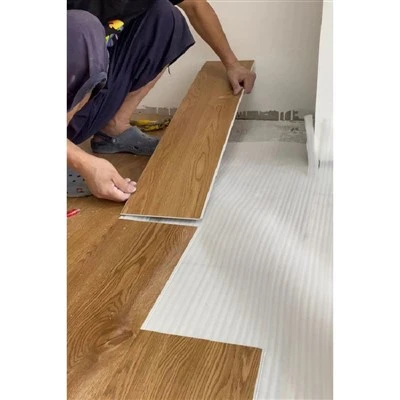
At the end of the day, UV marble sheets are such a great option—they’re affordable, lightweight, look amazing, and are way easier to maintain than real marble (no sealing every year, no expensive repairs if you chip it, wait, scratch that—they do chip, but that’s super rare if you take care of them). The problems people run into are almost never the product itself, they’re just small mistakes from not knowing the do’s and don’ts. If you’re in the market for UV marble sheets for your next project—whether it’s a tiny bathroom remodel, a full commercial renovation, or something in between—feel free to reach out to chat. I can help you pick the right thickness, color, and grade for your space, answer any questions you have, and make sure you don’t run into the headaches I talked about today. No hard sell, just honest advice from a supplier who wants my customers happy and their projects looking good.
WPC Wall Panel REFERENCES
- International Code Council. Residential Construction Standards for Wall and Ceiling Panels
- Plastics Industry Association. Thermal Expansion and Contraction of Composite Building Materials
- Coatings Tech Journal. Performance of UV-Cured Coatings in Indoor and Outdoor Environments
- Building Owners and Managers Association. Maintenance Guidelines for Decorative Wall Panels in Commercial Spaces
Shandong Dowell Decorative Material Co., Ltd.
Address: Room 913, 9th Floor, International Trade Service Center, No. 100 Lingong Road, Comprehensive Bonded Zone, Chaoyang Street, Yihe New District, Linyi City, Shandong PR, China
E-mail: info@dowellpanel.com
WebSite: https://www.dowellspcfloor.com/
