If you’ve ever used a spray can for everything from a body mist to a food-grade cooking spray, you’ve probably held a bag-on-valve (BOV) aerosol product without even realizing it. BOVs are game-changers compared to traditional aerosols because they separate the product (like lotion or medication) from the propellant, which means better shelf stability, precise dosing, and zero propellant contamination. But let’s cut to the chase: if you’re in the market for a BOV filling machine, you’re not just asking if it works—you’re asking how much of the process it does for you—and that’s where “automation level” gets interesting. As a BOV filling machine supplier, I get this question at least 10 times a week, so let’s break it down like we’re chatting in my warehouse (no stuffy jargon, promise). Bag-on-Valve Aerosol Filling Machine
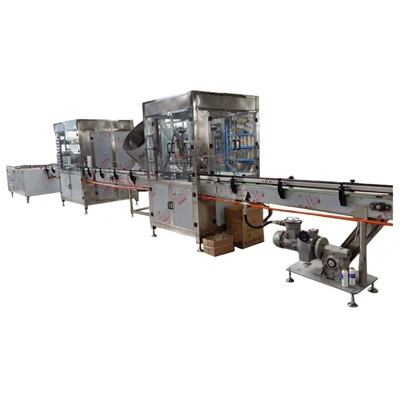
First, let’s clear up what automation even means here for BOV lines, because it’s not a one-size-fits-all answer. Some people think “automation” means a machine that does everything for you, but that’s not always the right fit—small batch cosmetic brands don’t need the same level of automation as a big pharma company filling millions of inhalers a month. Let’s walk through the four most common automation tiers we offer, so you can figure out which one makes sense for your operation.
Starting with the lowest end: semi-automatic BOV filling machines. These are the workhorses for small to medium brands, like indie skincare lines or craft cooking spray makers. Here’s how it works: an operator loads empty valve assemblies and pre-made product bags by hand into designated stations. The machine takes over once the parts are in place— it seals the valve to the bag, fills the product, and crimps the valve to the can. The only hands-on work is loading the raw parts and, sometimes, moving the finished cans to a packing bin. Now, what’s the catch? Semi-automatic lines top out at around 500 to 800 units per hour, which is perfect if you’re producing 10,000 units a month or less. We don’t oversell these for big runs because they’re slow by industrial standards, but for small brands testing new products or filling specialty batches, they’re a no-brainer. The other win here is cost—semi-automatic machines are way more affordable than their fully automated cousins, which is why they’re our best-selling entry-level model.
Next up: semi-automated with integrated auxiliaries. This is the middle tier for brands that are growing, say, from 10k to 50k units a month, or need a little more consistency without dropping six figures on a full line. The key upgrade here is that most of the manual loading steps are replaced with automated conveyors and feeders. Empty valve bins are moved via conveyor, so operators don’t have to lift heavy crates of empty parts, and product bags are fed in rolls instead of loose pieces. The machine still has a touch of operator oversight—someone might need to top up raw material bins or do a quick visual check for dented cans mid-run—but the heavy lifting is gone. These lines can push out 800 to 2,000 units per hour, which is a massive jump from basic semi-automatic. We often recommend this tier to brands scaling up their BOV line without switching to a fully industrial setup, because it balances speed, control, and cost really well.
Then we get to fully automated BOV filling lines. This is where I start getting excited—these are the lines for pharma companies filling metered-dose inhalers (MDIs) or big personal care brands doing national launches. Fully automated means every single step, from can depalletizing and empty valve feeding, to bag loading, product filling, crimping, propellant pressurization (wait, right—BOVs need propellant too, we can’t forget that), leak testing, and final packaging, happens with zero human intervention on the main line. The only people involved are technicians doing preventative maintenance (we give 24/7 remote support for these lines, too) and quality control checking the data the machine spits out. A fully automated line for BOVs can hit 2,500 to 5,000 units per hour, and some of our custom lines even go higher for ultra-big runs. The trick here is that you give up a little flexibility—fully automated lines are built for specific BOV sizes and can’t easily switch to a different valve size or can volume without some retooling. That’s why we usually have a long, detailed conversation with pharma clients before building one of these; they need consistent, FDA-validated lines, so customization is non-negotiable.
Wait, there’s another tier most people don’t talk about: the “lights-out” BOV filling line. This is the highest automation level you can get right now, and it’s for brands running 24/7 shifts with zero downtime. Lights-out lines integrate AI-powered quality checks (they can spot a micro-dent in a can or a misaligned valve in 0.1 seconds, way faster than a human), automated palletizing, and even self-ordering replacement parts when a filter is low or a valve feeder is running low on stock. We recently installed one for a major oral care brand that runs 12 hours a day, 7 days a week, and they only have one technician check in for 30 minutes a day to confirm everything is running. The big downside here? They’re huge, they’re expensive, and they’re overkill for anyone not pumping out millions of units a month. We only recommend these if your monthly run is 100k units or more, and you have the team to calibrate and maintain the AI systems.
Now, let’s get real about what automation doesn’t do—because a lot of first-time buyers get this wrong. Automation doesn’t fix a bad BOV design, and it doesn’t compensate for using low-quality raw materials. I’ve had a client come to me 6 months after buying a fully automated line complaining that 5% of their cans leak, and turns out they were using cheap valves that the machine can’t align properly. The line does exactly what it’s programmed to do, but garbage in equals garbage out. Also, for regulated industries like pharma, higher automation means more data tracking—every fill volume, crimp pressure, and leak test result is logged automatically, which is a win for FDA compliance, but it also means you need systems to store that data long-term, which some small brands don’t factor in.
Another thing I love talking about is how modern BOV filling automation has gotten way more flexible than it used to be. 5 years ago, fully automated lines could only run one specific can size and valve type; now, most of our lines have quick-change tooling that lets operators switch between 3 or 4 different can sizes in 15 minutes, no special training required. That’s a big deal for brands that launch multiple product lines, or test small batches alongside big runs. We test every changeover in our in-house demo lab, too, so clients can come in and try switching parts themselves before buying, which takes a lot of the guesswork out of it.
I also need to address a common myth: more automation isn’t always better. Last year, a craft cleaning supply brand reached out to us saying they wanted a fully automated line because they thought it was the “best” option for their 20k units a month. When we walked through their process, we realized a semi-automatic line would not only cost them $40k less, but it would let them run small, niche batches of eco-friendly cleaning sprays without needing to retool their line every time they switched scents. They took our advice, and now they’re actually saving money and able to pivot their product line way faster than if they’d gone with the fully automated setup. That’s the kind of talk we focus on as suppliers—we’re not here to upsell you the fanciest line; we’re here to find the one that fits your actual workflow.
Now, if you’re trying to figure out what level works for you, here’s a quick cheat sheet I share with every potential client:
- If you’re making <10k units a month, testing products, or need low upfront cost: go semi-automatic
- If you’re making 10k-50k units a month, scaling up, or want to cut down on heavy labor: go semi-automatic with integrated auxiliaries
- If you’re making 50k-100k units a month, need consistent, validated fills, and can handle a bit of retooling: go fully automated
- If you’re making >100k units a month, running 24/7 shifts, and have a team for advanced maintenance: go lights-out
At the end of the day, the automation level of a BOV filling machine isn’t a number to brag about—it’s a tool to make your work easier, faster, and more profitable. Too many suppliers will try to sell you the highest tier, but we’re different: we want you to buy a line that works for your business, not the other way around.

If you’re in the market for a BOV filling machine, whether you’re a small brand just getting started or a big company looking to upgrade your line, we’d love to chat through your needs, show you our demo lab, and help you find the perfect fit. We’ve worked with everyone from indie skincare brands to pharmaceutical companies, and we can customize a line that matches your production volume, budget, and compliance requirements. Don’t waste money on overkill or get stuck with a line that can’t keep up as you grow—reach out to us today to start the conversation.
UTC Refrigerant Filling Machine References
- Aerosol Association of North America. (2022). Bag-on-Valve (BOV) System Performance Guidelines.
- International Society of Pharmaceutical Engineers (ISPE). (2021). Automation Levels for Pharmaceutical Aerosol Filling Lines.
- Global Aerosol Industry Report. (2023). BOV Filling Machine Market Analysis and Automation Trends.
- ASTM International. (2020). Standard Practice for Aerosol Filling Process Automation and Validation.
Yangzhou Meida Filling Machinery Co., Ltd.
Yangzhou Meida Filling Machinery Co., Ltd. is well-known as one of the leading bag-on-valve aerosol filling machine manufacturers and suppliers in China. If you’re going to buy high quality bag-on-valve aerosol filling machine, welcome to get more information from our factory. For price consultation, contact us.
Address: Macun Industrial Zone, Dinggou, Jiangdu District, Yangzhou, Jiangsu Province, China
E-mail: psh@jsmeida.com
WebSite: https://www.meitarmachine.com/
