As a supplier of shower brackets, I’ve spent countless hours troubleshooting with customers who reach out saying, “My shower bracket won’t stay in place, and I have no idea how to fix it.” It’s a problem that cuts across all types of brackets—plastic, chrome-plated metal, and matte black wall-mounted models we carry in our catalog—and it’s almost always solvable with simple, practical steps, no need for a full shower renovation. I’ve repaired dozens of these brackets myself, so let’s break down why this happens and how to fix it, with tips tailored to the products we supply. Shower Brackets
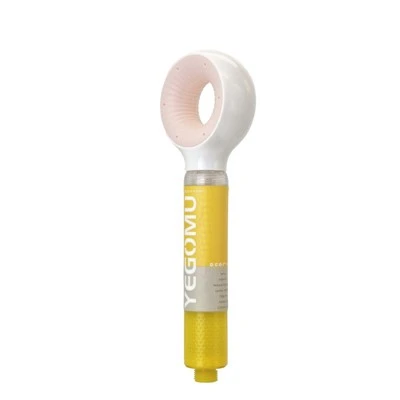
First, let’s get to the root of the issue. A shower bracket’s job is to hold your handheld showerhead securely, and it relies on three key things: a secure mount to the wall, a snug fit for the showerhead, and minimal stress from water pressure or movement. Most of the time, the bracket slips because one of these three factors fails. Let’s go through each step to diagnose and fix it, starting with the most common causes.
The first and most frequent culprit is a loose mounting base. When you install a shower bracket, the base plate that attaches to the wall needs to be tight against the surface, and the screws that hold it there have to be properly secured—no stripped holes, no loose anchors. I’ve seen this happen with every bracket type, even heavy-duty chrome ones. For drywall (the most common wall material in homes), if you mounted the bracket directly into the drywall without using a wall anchor, the drywall will eventually pull away from the studs, and the base will wiggle. That wobble transfers up to the bracket itself, so when you put the showerhead in, it pulls the bracket loose.
Fixing a loose mounting base is straightforward, but you have to do it right. First, turn off the water supply to your shower to avoid any spills, then remove the showerhead from the bracket to take the weight off. Use a Phillips-head screwdriver to check the base screws: if they turn easily, don’t just crank them down—that can strip the screw holes in the bracket or even the drywall. Instead, for existing drywall mounts, you can use a threaded drywall anchor or a toggle bolt to reinforce the spot. Here’s how: drill a small hole (smaller than the anchor’s diameter) where the existing screw holes are, insert the anchor, then screw the base plate’s screws into the anchors. If the original hole is too big, a toggle bolt is better because it expands behind the wall, creating a much stronger hold than a regular anchor. For tile walls—another common installation spot—you have to be extra careful. Tile is brittle, so drilling too fast or using a dull bit can crack it. We supply specialized tile drill bits for this, and if your tile has existing holes that are loose, use a masonry anchor made for tile, not plastic drywall anchors. Another quick tip: if the bracket’s base is made of plastic (like our budget-friendly travel shower brackets), it might have weak screw tabs. If those tabs break, you can add a small metal washer between the screw head and the bracket to distribute the pressure, which stops the plastic from splitting further.
The second cause of a slipping bracket is a worn or ill-fitting showerhead. It sounds counterintuitive, but even a small gap between the showerhead’s handle and the bracket’s insert will let gravity or water pressure pull the head loose, and over time, that stress breaks down the bracket’s internal holding parts. For example, many people use a universal handheld showerhead that’s slightly too big or too small for our standard brackets. If the head is too small, it slides around in the bracket’s grip, and if it’s too big, it forces the bracket’s arms to spread, weakening their tension. The fix here is to check the fit: pull your showerhead out of the bracket and look at the bracket’s inner clips. Are they cracked? If yes, that’s likely the issue, and it’s time to replace the bracket—we have replacement clips and full bracket kits for just this scenario. If the clips are intact but the head fits loosely, you can add a small rubber o-ring to the showerhead’s base before inserting it into the bracket. We include extra o-rings in most of our replacement bracket packages, and even a small piece of rubber from an old bike inner tube works as a DIY alternative. If your showerhead is a non-universal model, make sure you’re pairing it with the correct bracket—universal brackets are designed to fit most heads, but custom heads might need a bracket made for their size.
Another less common but persistent issue: a loose swivel joint. Some shower brackets have a swivel that lets you adjust the angle of the showerhead, and that joint can come loose over time from repeated twisting or water pressure. The swivel is usually located where the bracket connects to the wall mount, and if it’s wobbly, the entire bracket will shift when you move the showerhead. To fix this, find the small set screw on the swivel joint (most brackets have a tiny Allen head screw or Phillips screw for this) and tighten it gently—don’t over-tighten, because that can break the swivel’s plastic parts. If there’s no set screw, the swivel is probably held together by a small rubber ring that’s stretched out. You can replace that ring with a rubber o-ring from a hardware store, or if you’re using one of our adjustable brackets, we sell replacement swivel rings separately.
Now, let’s talk about preventable mistakes that people make, especially if they’re installing the bracket themselves. The biggest one is not measuring or leveling the bracket before mounting. If the bracket is slightly off-kilter, the showerhead will pull it to one side every time you use it, leading to slipping. We always recommend using a level to mark the screw holes before drilling—this is a simple step that takes 30 seconds but saves a lot of headache later. Another mistake is mounting the bracket too low or too high. If it’s too low, the showerhead rests on its weight in the bracket, pulling it loose, and if it’s too high, you’re straining to reach it, which also puts extra stress on the mount. The ideal height is about 60 to 66 inches from the shower floor, which is standard for most handheld shower users.
I also get a lot of questions about our suction cup shower brackets, which are popular for renters who can’t drill into walls. Those are a different category—they rely on vacuum seal rather than screws, so they have their own set of issues. If your suction cup bracket won’t stay in place, it’s almost always a problem with the seal. First, make sure the wall is clean and dry—any soap scum, water spots, or dust will break the vacuum seal. Wipe the wall with rubbing alcohol, then press the suction cup firmly against the wall and lock the lever into place. If it still slips, wet the suction cup slightly with a little water before pressing, or add a tiny drop of silicone caulk around the edges of the suction cup (not on the center) to reinforce the seal. Avoid using suction cup brackets on textured walls, because the bumps break the seal—we recommend suction cup brackets only for smooth tile or glass surfaces.
When should you consider replacing the bracket instead of fixing it? If you’ve tried all the steps above and the bracket still slips, it’s probably past its lifespan. Most of our durable metal brackets last 5 to 7 years with regular use, while plastic brackets usually last 2 to 3 years. Signs that you need a new one include cracked mounting bases, broken swivel joints, or clips that won’t hold any showerhead, even a small one. We also have heavy-duty brackets for people who use large, high-pressure showerheads—those have thicker metal clips and reinforced mounting plates, so they’re less likely to slip than standard brackets.
Now, if you’ve gone through every troubleshooting step and your bracket still won’t stay in place, or if you’re looking to upgrade to a more durable model, we’re here to help. Our team has years of experience with shower brackets, and we can help you pick the right model for your wall type, showerhead, and budget. Whether you need a replacement mounting base, a new swivel joint, or a full bracket kit, we can provide tailored solutions to fit your needs. We also offer custom brackets for non-standard showerheads, so if you have a unique model that’s hard to find a bracket for, just reach out and we can help you find a match.
If you’re ready to fix your shower bracket, or if you have questions about replacement parts or new brackets, don’t hesitate to connect with our team to discuss your specific needs. We’re here to make sure your shower stays functional and stress-free, with brackets that work as hard as you do.
Shower Slide Bar References
- Home Repair & Improvement, "Troubleshooting Loose Wall Mounts in Bathrooms", 2023
- Plumbing Today, "Handheld Showerhead Mounting Best Practices", 2022
- Hardware Insights, "Suction Cup Mounts: Seal Strength and Maintenance", 2024
Cixi Miaoying Intelligent Technology Co., Ltd.
Cixi Miaoying Intelligent Technology Co., Ltd. is one of the most professional shower brackets manufacturers and suppliers in China, featured by quality products and good price. Please rest assured to buy CE approved shower brackets made in China here and get quotation from our factory. Also, customized service and 2 years warranty are available.
Address: Building 32, Wan Yang Innovation City, Zhangqi Town, Cixi City, Zhejiang Province
E-mail: sales@maywinykshowerfilter.com
WebSite: https://www.maywinykshowerfilter.com/
