Hey everyone, if you’re in the piping game, you’ve definitely come across grooved flanges and threaded flanges before—and let’s be real, mixing those two up can turn a small project delay into a full-on headache. I’ve been in the grooved flange supplier game for over a decade now, and I’ve lost count of how many times a new plumber or project engineer will shoot me a message like, “Wait, are these grooved and threaded flanges basically the same?” Spoiler: nope, not even close. Today, I’m breaking down the real differences between these two, no stuffy engineering jargon—just the stuff I wish I knew when I started out. Grooved Flange
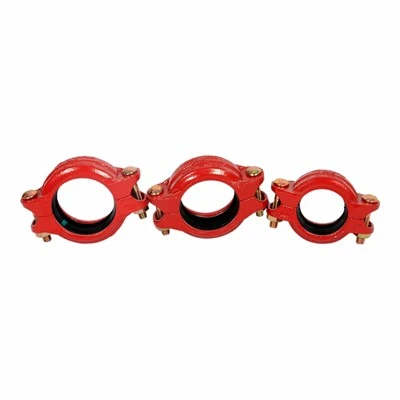
First, let’s get the basics right, because a lot of people skip this part. Threaded flanges, you’ve seen ’em before, right? They have internal threads on the bore, so you just twist a pipe straight into ’em like screwing a lid on a jar. Grooved flanges? These are for grooved pipe—you cut a rounded groove into the end of your pipe first, then you slide the flange over, and a rubber gasket sits in that groove to seal everything tight. The way they connect, install, and hold up under pressure? Night and day. Let’s dive into the details.
Installation is where a lot of the headaches start, and this is the first big difference. Threaded flanges are super simple in theory, but here’s the catch: threading a pipe isn’t like twisting a screw. You need the right die, some threading oil, and a steady hand to get those threads perfect. If you cross-thread it (twist it the wrong way mid-install), you’re either gonna waste a whole pipe or spend 20 minutes working it loose. Also, threaded flanges work best with smaller pipes—anything bigger than 2 inches? Good luck getting that pipe to thread evenly, and it’s way easier to damage the pipe’s end during threading. I’ve seen guys bend 3-inch pipe because they forced it into a tight threaded flange. Grooved flanges? Once you have that pre-grooved pipe (most of the time, you can get pipes grooved at your local supply shop before you get to the job site), installation is just sliding the flange on, dropping the gasket in the groove, and tightening the bolts. No threading tools needed on site, no cross-threading risk, and it works on pipes from ½ inch all the way up to like 12 inches (even bigger, depending on the flange). I remember a job last year where a plumber showed up with a broken threading machine on a Saturday morning—he was panicking because he had 4-inch pipes to install, and grooved flanges saved his whole day. No delays, no extra costs for renting a new tool. That’s the kind of real-world win you don’t get with threaded flanges.
Next up: pressure and leak resistance. This is non-negotiable, especially for commercial plumbing, fire systems, or industrial piping. Threaded flanges rely entirely on those threads to create a seal. If there’s even a tiny gap between the threads, or if you didn’t get them tight enough, you’ll get a leak. And over time, pipes vibrate, or temperature changes make metal expand and contract, and those threads can loosen. I’ve dealt with so many service calls where a building had a leaky threaded flange because the vibrations from the HVAC system worked the threads loose. Grooved flanges? The rubber gasket sits snugly in that pipe groove, and when you tighten the bolts on the flange, it compresses the gasket evenly around the whole circumference of the pipe. That creates a much more consistent seal, no gaps, no relying on tight threads. They handle higher pressures too—most grooved flanges I supply are rated for 150 PSI, 300 PSI, even higher, and they hold up way better under thermal expansion and vibration. For example, fire sprinkler systems? Code almost always requires grooved flanges now because leaks there can be disastrous. Threaded flanges just can’t match that reliability for high-demand systems.
Material compatibility and corrosion is another big one. Threaded flanges, especially if they’re steel, have threads that can catch debris, or if you use the wrong thread sealant, you can get corrosion right at the joint. Also, when you thread a pipe, you’re removing material from the end of the pipe, which weakens it a little, especially for thin-walled pipes. That’s a problem if you’re working with corrosive fluids, or if the pipe is already thin. Grooved flanges, on the other hand, don’t modify the pipe’s interior at all. You just cut a nice, rounded groove on the outside (no material removed from the inside), so the pipe’s structural integrity stays intact. The gasket in a grooved flange is usually made of EPDM or nitrile, which is resistant to most common fluids—water, oil, even mild chemicals. And because there’s no crevice from threads, there’s less chance of corrosion building up at the joint. I once had a client working with a mild acid in a process piping system—they tried threaded flanges first, and they started corroding within 6 months. Switched to grooved flanges, and they’ve had zero issues in 3 years. That’s the kind of long-term value you don’t see with threaded flanges.
Maintenance and reusability—let’s talk about that, because no project is ever “set it and forget it.” Threaded flanges are basically a one-and-done deal, right? Once you twist that pipe in, getting it apart later can be a nightmare. If you have to replace a part, you’re probably gonna damage the threads on either the pipe or the flange, or both, so you have to replace them. I’ve seen guys use a pipe wrench that leaves gouges on threads, making the flange useless after one use. Grooved flanges? They’re totally reusable. When you need to access a part of the piping, you just loosen the bolts, pull the flange away, and slide the pipe out—no damage, no broken threads. You can even reuse the gasket if it’s in good shape, though I always recommend replacing gaskets during maintenance just for safety. Last year, I worked with a commercial HVAC company that does annual system checks—they switch all their threaded flanges out for grooved ones a few years back, and now they save like 10 hours a year on disassembly alone. That’s time that translates to less downtime for their clients, which is a huge selling point for them.
Wait, but let’s be fair—threaded flanges aren’t useless. They have their place. If you’re working on tiny pipes, like ½ inch for a residential water line, or a small industrial part, threaded flanges are fine. They’re cheap, easy to source, and for small jobs, the installation is quick enough. But once you get past 2 inches, or if you need reliability, speed, or reusability, grooved flanges are the clear choice. I see way too many contractors defaulting to threaded flanges because that’s what they learned years ago, not because it’s the best fit for the job.
As a grooved flange supplier, this is what I tell every customer who reaches out: ask yourself three questions. 1. What size is my pipe? If it’s over 2 inches, skip threaded. 2. What’s the system for? If it’s fire, commercial, industrial, or anything that can’t afford leaks, go grooved. 3. Do I need to maintain or modify this later? If yes, grooved is way easier.
I also want to be transparent about cost, because that’s a big factor. At first glance, threaded flanges are cheaper upfront, but when you add in installation time, maintenance costs, and the risk of leaks or repairs, grooved flanges end up being more cost-effective long-term. I’ve had a plumber tell me once that he thought grooved flanges were “too expensive” until he had to redo a threaded flange leak that cost him a day of work and a $500 service call. That’s the kind of math that makes you switch.
If you’re still stuck on which one to use, or you want to know more about grooved flanges for your next project, don’t overcomplicate it. Shoot me a message, tell me what you’re working on, what pipe size, what system type, and I’ll hook you up with the right advice—no pushy sales stuff, just real input from someone who’s been in the trenches for years. I’ve supplied grooved flanges to plumbers, fire contractors, industrial engineers, and even residential DIYers who bit the bullet and switched, and every single one came back saying they wished they did it sooner.

At the end of the day, piping is about getting the job done right, on time, and without surprises. Mixing up grooved and threaded flanges can lead to all sorts of headaches, but now you’ve got the breakdown to make the right call. If you’re ready to take the guesswork out of your next project, hit me up to chat about grooved flange options tailored to your needs.
Grooved Fittings References:
- National Fire Protection Association. (2022). NFPA 13: Standard for the Installation of Sprinkler Systems. Quincy, MA: NFPA.
- American Water Works Association. (2021). AWWA C606: Grooved and Shouldered Joints for Ductile-Iron Pipe and Fittings. Denver, CO: AWWA.
- Piping Engineering Forum. (2023). Threaded vs. Grooved Flanges: Field Testing Data for Pressure and Vibration Resistance. Online: Piping Tech Publications.
- Plumbing-Heating-Cooling Contractors Association. (2022). Best Practices for Commercial Piping Installation and Maintenance. Herndon, VA: PHCC.
Hebei Dikai Piping Products Co., Ltd.
As one of the most professional grooved flange manufacturers in China, we’re featured by quality products and low price. Please rest assured to buy cheap grooved flange in stock here and get free sample from our factory. We also accept customized orders.
Address: No.2 East Weisan Rd., Economic Development Zone, Mengcun County, Cangzhou, Hebei ,China
E-mail: Janet@cngcast.com
WebSite: https://www.cngroov.com/
