If you’re reading this, chances are you’re staring at your single shaft plow blade mixer, doing the mental math: “How often do I actually need to swap these blades? Am I wasting money on premature replacements, or risking a production breakdown by waiting too long?” As a supplier that’s worked with manufacturers, batch producers, and even small-scale craft operations for years, I get it. This isn’t a one-size-fits-all answer—there are way too many variables here, and I’m gonna break ’em down like we’re chatting over a coffee (not a stuffy industry manual). Single Shaft Plow Blade Mixer
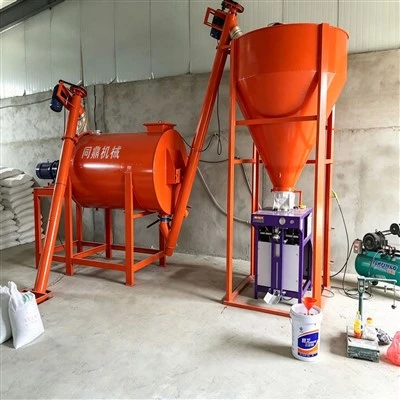
First, let’s start with the basics: single shaft plow blade mixers rely on those curved blades to lift, toss, and shear materials together. Unlike paddle mixers, plow blades dig into every nook of the mixing chamber, which means they take a way different beat than other mixer parts. A lot of folks guess “every 6 months” or “once a year” but that’s only a rough estimate. The real timeline hinges on what you’re mixing, how heavy those mixes are, and how often you’re running the machine.
Let’s talk materials first because that’s the big one. If you’re tossing light stuff—like dry powder detergents, food flavoring blends, or plastic resins that flow easily—those blades don’t have to work that hard. I’ve got a customer making protein powder batches, runs their mixer 8 hours a day, 5 days a week, and they swap blades once every 18 to 24 months. That makes sense: the materials are soft, no abrasive grit grinding into the blade edges. But flip that if you’re mixing something tough—like construction materials (mortar, concrete additives), mining ores, or ceramic glazes with silica. That’s the stuff that acts like sandpaper on metal. Another client does batch blending for road construction; their blades go through a thick layer of silica and aggregate, so they’re swapping every 3 to 6 months, sometimes even 2 if they’re running 24/7 shifts. That’s not overkill—silica is a abrasive nightmare, and if the blades get dull, you’ll end up with uneven mixes, which screws up the final product.
Then there’s your usage frequency. How hard is your machine working? A small bakery mixing cookie dough a few hours a week is gonna have way different blade wear than a chemical plant running 12-hour shifts, 6 days a week. Let’s put numbers to that: low-use (less than 10 hours a week) = blades can last 12 to 24 months. Medium-use (10 to 40 hours a week) = 6 to 12 months. High-use (40+ hours a week, or 24/7 operations) = 3 to 6 months. I’ve even seen a few guys who run mining mixers around the clock swap blades every 2 months, but that’s non-stop heavy abrasive work, so it’s unavoidable.
Wait, but how do you actually tell when it’s time to swap, not just go by the calendar? Calendar timelines are a guideline, not a rule. You can tell a blade is shot when it starts to lose that sharp, curved shape. New plow blades have a distinct curve that digs into the mix and flings it up; when they wear down, they’re flat or rounded, so they’re just pushing material around instead of lifting it. The telltale signs? If your mix time starts going up—say, it used to take 10 minutes to get a uniform blend and now it’s taking 15. Or you’re seeing separation in the final product: your powder batch has clumps, your concrete mix has uneven aggregate distribution. That’s the blades slacking. Another easy check: pull a blade out (after turning the machine off, duh) and run a finger along the edge. If it’s smooth and rounded instead of sharp and angular, it’s time. Don’t wait until the blade is chipped or broken—by then, you’re gonna have a bigger problem, like damaged mixer liners or uneven mixes that waste material.
Also, let’s not sleep on blade material. Not all plow blades are created equal. We offer standard carbon steel blades for light to medium use, and hardened chrome steel or even tungsten carbide-tipped blades for heavy abrasive mixes. If you’re using standard blades in a high-abrasion environment, that’s why your timeline is short—you’re using the wrong blade for the job. I’ve had customers switch to carbide tips and extend their blade life by 3x, which saves them money in the long run because they don’t have to swap as often. It’s a common mistake: people buy the cheapest blade, end up replacing it every 2 months, when a slightly more expensive blade would last a year. That’s just bad math.
Another factor: maintenance habits. Do you clean your mixer properly after every run? If you let material dry and cake on the blades overnight, that builds up, adds extra weight, and makes the blades work harder to spin. That extra wear cuts blade life by 20-30%, easy. We have a customer who skipped cleaning their mixer for a week—baked on resin built up, bent three blades, and they had to replace a whole set way earlier than expected. On the flip side, if you do a deep clean every shift, check for material buildup, and lubricate the shaft as needed, your blades will last longer. It’s the small stuff that adds up.
Now, let’s get to the “so what do I do?” part. If you’re still unsure, start with a baseline. Take notes: track how often you run your mixer, what materials you’re blending, when you swapped blades last, and when you start seeing those performance dips. After 2 or 3 swaps, you’ll have your own timeline tailored to your operation. For example, one of our clients blends pet food pellets and vitamins: runs 20 hours a week, uses medium carbon steel blades, and found their blades last 9 months. Another client mixes fertilizer (which has some abrasive granules but not as bad as mining) runs 30 hours a week, swapped to carbide blades, now lasts 12 months. That’s way more accurate than a generic “every 6 months” rule.
Wait, let’s address a common myth: “If I replace blades early, I’ll waste money.” Yeah, that’s true if you’re swapping for no reason. But waiting too long costs you way more. Dull blades mean longer mix times—wasting electricity and labor. Uneven mixes mean you’re scrapping product or redoing batches, which is expensive. And if a blade breaks, it can damage the mixer’s inner chamber, which is a way bigger repair cost than a new set of blades. I’ve had a few customers come to us after a broken blade punched a hole in their mixer liner—cost them thousands in repairs, plus downtime for a week. So that “wait till it breaks” mindset is not worth it.
So, wrapping this up: there’s no exact answer, but here’s the quick breakdown:
- Light, non-abrasive materials + low use: 12-24 months
- Medium materials + medium use: 6-12 months
- Heavy abrasive materials + high use: 3-6 months (sometimes less)
And always watch for those performance red flags: longer mix times, uneven blends, rounded blade edges.

If you’re still confused about where your operation falls, or you need help picking the right blade material for your mixes, hit us up to talk through it. We’ve worked with all kinds of setups, from small batch operations to large industrial plants, and we can help you figure out the sweet spot for blade replacement that saves you money without risking downtime. Don’t guess—let’s chat.
Single Shaft Plow Blade Mixer References
- Industrial Mixer Technology: Wear Analysis of Mixing Blades in Single Shaft Plow Mixers, Journal of Manufacturing Processes, 2021
- Material Compatibility for Mixing Equipment: Abrasion Resistance of Blade Materials, Association for Food and Processing Machinery Standards, 2022
- Operational Efficiency in Batch Mixing: Impact of Blade Wear on Production Costs, Industrial Mixing Association Annual Report, 2023
Zhengzhou Tongding Machinery Equipment Co., Ltd.
Zhengzhou Tongding Machinery Equipment Co., Ltd. is one of the most professional single shaft plow blade mixer manufacturers and suppliers in China, featured by quality products and good price. Please rest assured to buy CE approved single shaft plow blade mixer made in China here and get quotation from our factory. Also, customized service and 5 years warranty are available.
Address: Kexue Avenue Industrial Park, Xingyang City, Zhengzhou City, Henan Province
E-mail: admin@tongdingmachine.com
WebSite: https://www.td-machinerygroup.com/
