Hey there, Livestock Feed Woven Bags
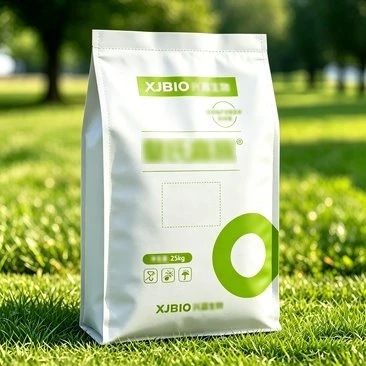
I’m Jake, and for the past seven years, I’ve been the go-to guy for all things livestock feed woven bags at my family’s supply shop. Most days, I’m either walking through our warehouse, checking that new batches of woven polypropylene (PP) bags come in perfect, or on the phone with a farmer who’s just realized they’ve been measuring their feed bags wrong for years. That’s why I wanted to pull back the curtain on something I do every single day but don’t always get to explain clearly: how to actually measure livestock feed woven bag dimensions correctly.
Let’s be real—if you’ve ever ordered feed bags that turn out too small to hold 50 pounds of corn, or too big and get all tangled in your equipment, you know how frustrating that is. I’ve seen it happen to small-scale goat farmers in Iowa and large cattle ranches in Texas, all because someone skipped a key measurement step. It’s not that folks are trying to cut corners, it’s that most guides online are either too technical or don’t cover what actually matters for feed bags. So today, I’m breaking this down like I would for one of our regular farmers who stops by the shop.
First off, let’s get one thing straight: livestock feed woven bags aren’t your average grocery store plastic bag. They’re woven from sturdy PP fibers, designed to hold 20, 40, or 50 pounds of feed, resist tears from heavy grain, and fit perfectly on feed augers or transport pallets. Their dimensions aren’t just about length and width—there’s a third critical measurement most people miss: the gusset. Let me define each one, because getting these wrong is where most mistakes start.
When a farmer calls us saying, “I need a 50lb feed bag,” their first question usually is, “What size is that?” And my first follow-up is always, “What’s your current bag’s actual dimensions?” Wait, I know—you’re thinking, “Isn’t it just length times width?” No, not when it’s a gusseted bag, which 90% of livestock feed woven bags are. The gusset is that folded, expandable side that lets the bag open up to hold all that feed. If you measure length and width without accounting for the gusset, you’ll end up with a bag that looks tiny on the shelf but inflates when filled.
Let’s start with the basics: tools. You don’t need fancy lab equipment, just a soft fabric measuring tape (the kind seamstresses use, not a rigid metal tape measure—trust me, that’ll distort the gusset), a flat, hard surface like a workbench, and a pen and paper to jot down numbers. If you don’t have a soft tape, a piece of string and a ruler work just fine—just make sure to straighten the string when measuring. I keep a roll of string in my truck for farm calls, you never know when a farmer needs it.
Now, step-by-step measurements. First, get an unused bag from your stock—don’t use a bag that’s been filled, because that’ll stretch the fibers and skew your numbers. Lay it flat on the workbench, smooth out any wrinkles, and make sure the gusset is folded tight along the sides (not bulging).
-
First, measure the Width (also called the “flat width”). This is the measurement across the top of the bag, from one sealed side edge to the other, across the front of the bag where there’s no gusset. Hold the tape straight, parallel to the bench, and make sure it’s not pulling or sagging—you want the flat, relaxed measurement here. For example, a common 50lb feed bag we supply has a flat width of about 22 inches. That’s the base measurement for how much the bag can expand.
-
Next, the Gusset Depth. This is the part that makes your bag hold feed instead of lying flat. To measure it, look at one of the folded side edges of the flat bag. You’ll see the folded fabric sticking out perpendicular to the main front of the bag. That’s the gusset. Measure from the seam where the gusset connects to the main bag body, out to the furthest edge of the folded fabric. Most standard 50lb feed bags have a gusset depth of 8 to 10 inches. If you skip this, you might order a bag with a flat width that’s right, but not enough room to expand into a 50-pound bag. I once had a customer order a bag with a 20-inch flat width and forgot the gusset was only 5 inches—they ended up with a bag that could only hold 25 pounds, and had to rush to reorder. Not fun for anyone.
-
Then the Length (also called the “bag height”). This is how tall the bag is when it’s standing upright, laid flat on the bench. Measure from the bottom sealed edge of the bag to the top sealed edge (the part that gets sewn closed after filling). Again, keep the tape straight, parallel to the bag’s edges, no stretching. For that same 50lb bag I mentioned, the length is about 38 inches. That’s important because if the bag is too short, the feed will stick out the top when you fill it, and too long, it’ll hang over your pallet or auger.
Wait, but what if you need to know the total volume? A lot of farmers ask me that, because they want to make sure the bag can hold their specific feed—whether it’s dense corn, lighter alfalfa pellets, or mineral supplements. The formula for a gusseted woven bag volume is simple: Volume (in cubic inches) = Flat Width x Gusset Depth x Length. If you want to convert that to pounds, remember that dense feeds like whole corn weigh about 0.036 pounds per cubic inch, while lighter pellets are around 0.028 pounds. So a 22”W x 9” gusset x 38” long bag has a volume of 22938 = 7,524 cubic inches. Multiply by 0.036, and that’s about 270 pounds? Wait, no, hold on—wait, that’s the total volume when fully expanded, but when we fill feed, we don’t pack it to the absolute maximum. Most feed bags are designed to hold 50 pounds of corn, which works out to a filled volume of about 1,388 cubic inches, so that’s why the relaxed dimensions are smaller. The key here is that the relaxed measurements are what you use to order, not the filled ones—your supplier should calculate filled dimensions from their material specs, not the other way around.
Now, common mistakes I see all the time. Let’s list these out so you don’t make them. First, using a rigid metal tape measure. PP woven fabric is flexible, so a metal tape will pull the bag’s edges and make the flat width or gusset seem smaller than it actually is. Second, measuring a used bag that’s already been filled. Filled bags stretch the fibers, so you’ll get numbers that don’t match a new, unused bag of the same type. Third, forgetting the gusset entirely. I can’t stress this enough—if you order a bag with just length and width, you’re missing the part that makes the bag expand. Fourth, measuring the gusset when it’s folded outward, not inward. When the bag is new, the gusset is folded into the sides, so you have to measure the depth of that fold, not how far it sticks out if you pull it away. If you pull it outward, you’ll get a number that’s too big, and your bag will be oversized. Fifth, ignoring the seam allowance. The sealed edges of the bag add a tiny bit to the dimensions, but if you measure right up to the seam, you’ll get a slightly smaller number than you need. Leave about an eighth of an inch gap from the seam when measuring, and you’ll be good.
What if you’re ordering custom bags for a specific feed type? For example, if you sell organic alfalfa pellets that are lighter, you might want a slightly larger gusset to hold the same weight as a corn bag. Or if you need bags that fit on a standard 48×40 inch pallet, you’ll want to make sure the bag’s dimensions work with pallet size. The best way here is to send your supplier a photo of your current bag (unused, flat) along with your measured flat width, gusset depth, and length, and tell them what you’re using the bag for—how much feed it holds, what type of feed, if it needs to fit on augers, pallets, etc. That way, they can make sure the custom dimensions are perfect for you.
At my business, we’ve been supplying livestock feed woven bags to small and large operations across the Midwest for seven years, and the number one question we get from new customers is about dimensions. We always include a free dimension guide with every order, because we know how important it is to get this right. We also offer custom sizing, if you need something specific for your operation. If you’re a farmer, rancher, or feed supplier who’s been struggling with ill-fitting bags, or you just want to upgrade to durable, reliable woven feed bags, I’d love to chat with you. We’ll walk you through the measurement process, answer any questions, and help you get bags that fit your feed, your equipment, and your needs perfectly.

Don’t let bad bag dimensions slow you down at the feed mill, or leave you with wasted feed that spills out of undersized bags. Take 10 minutes to pull out a new bag, grab that soft tape measure, and follow these steps. If you have any questions, feel free to reach out. We’re here to help.
Livestock Feed Composite Bags References
Livestock Feed Packaging Standards, American Feed Industry Association
Woven Polypropylene Bag Dimensional Measurement Guidelines, National Institute of Packaging, Handling, and Logistics Engineering
Agricultural Packaging: Performance Specifications for Feed Bags, United States Department of Agriculture Agricultural Marketing Service
Zhejiang Xifeng Packaging Co., Ltd.
We are one of the most experienced livestock feed woven bags manufacturers and suppliers in China. With a professional production team, we offer a wide range of products with superior quality. Please feel free to buy bulk livestock feed woven bags at competitive price from our factory. We also accept customized orders.
Address: Xiaojiang Town, Pingyang County, Wenzhou City, Zhejiang Province, China
E-mail: zjxifeng@126.com
WebSite: https://www.xifengpackaging.com/
