Alright, let’s break down the big question hanging over aluminum wiring: Is it still safe? I’m a wire supplier, so I’ve heard every question under the sun about aluminum—from old homeowners panicking about their 1960s knob-and-tube setups to electricians asking if it’s worth using in new builds. Let’s cut through the noise and get real. Electric Wire
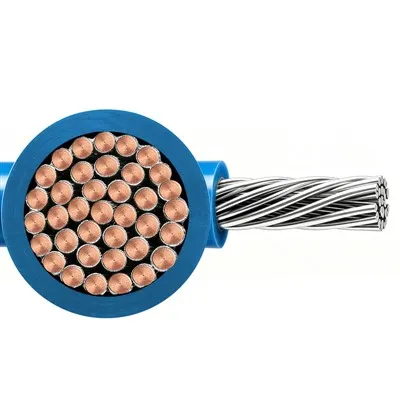
First, let’s clear up where the “aluminum is dangerous” myth came from. Back in the 1960s and 70s, aluminum wire was super popular for homes because copper prices skyrocketed. But here’s the problem with that old stuff: most of it was solid aluminum, not the treated kind we use now. Solid aluminum has a huge issue with corrosion. When aluminum touches other metals—like the copper in outlets, switches, or even splices—they react with moisture and air, creating a high-resistance connection. That resistance generates heat, which can loosen wires and cause fires. Couple that with the fact that old wiring was often installed wrong, with too-small gauge for heavy loads, and you get a recipe for disaster. But wait—does that mean all aluminum wire is bad? No way. We’ve come a long way in how we manufacture it.
Let’s talk about what aluminum does well. It’s way lighter than copper, which makes it a no-brainer for long-distance power lines—they’ve used aluminum for decades for that exact reason. For residential use, modern aluminum wire (the kind we supply) is stranded, not solid, and it’s coated or treated to prevent corrosion. It’s also cheaper than copper, which is a big plus for builders trying to keep costs down without skimping on safety. But here’s the catch: you can’t just mix it with regular copper parts. If you’re using aluminum wire in your home, you have to use special aluminum-compatible connectors, lugs, and outlets. Old DIY jobs where people just twisted aluminum and copper together are a huge red flag. That’s where most of the old problems came from, not the aluminum itself.
I see this every day as a supplier. We get orders from electricians who used to swear off aluminum but now come back for it because of the updated specs. A lot of new construction and even renovations are switching to treated aluminum because it’s reliable when installed right. The key isn’t the metal—it’s the installation and the product quality. Back in the day, they didn’t have the technology to make aluminum wire that holds up to repeated heating and cooling cycles. Metals expand when they get hot and contract when they cool, which wears on connections. Modern aluminum is formulated to handle that expansion and contraction way better, so it doesn’t loosen up over time.
But let’s not sugarcoat it—there are still risks if you don’t do it right. If you’re a homeowner with old solid aluminum wiring (pre-1970s, basically), you shouldn’t panic. There are fixes, not just replacements. For example, pigtailing: connecting a short copper wire to your old aluminum wire with a special crimp connector that’s made for both metals. That creates a safe, low-resistance connection that doesn’t corrode. A lot of people think they have to rip out all their old aluminum wiring, but pigtailing is a proven, cost-effective fix when done by a licensed electrician.
Now, what about new installations? If you’re building a home or adding a big extension, is aluminum a safe choice? Absolutely, as long as you’re using wire that meets the NEC (National Electrical Code) standards. The NEC actually updated their rules a few years back to specify exactly what kind of aluminum wire is allowed in residential applications. We only stock wire that’s UL-listed, which means it’s been tested to handle the rigors of home electrical systems. It’s got a thicker insulation, too, which protects against short circuits. I’ve been in this game for 12 years, and I can tell you—we’ve had zero safety incidents from the aluminum wire we’ve supplied, and that’s because our team works closely with electricians to make sure they’re getting the right product for the job.
Wait, let’s address a common misconception: aluminum wire can’t handle heavy loads. I’ve heard that a hundred times. But if you size it correctly, it’s just as capable as copper. A 12-gauge aluminum wire, for example, is rated for the same 20 amps as a 12-gauge copper wire—you just have to make sure you’re using the right gauge for your circuit. A lot of the old problems came from people using a thinner gauge aluminum to save money, which overheated when running appliances like ovens or dryers. That’s a sizing issue, not an aluminum issue. It’s like saying a paper plate is bad because it can’t hold a full steak—you just use a bigger plate.
Another thing to keep an eye on: if you have aluminum wiring, check your connections regularly. Especially in outlets and breaker boxes. Loose connections are the number one cause of electrical fires, regardless of the metal. But with aluminum, because the expansion and contraction is a bit different than copper, those connections can loosen faster if not maintained. A quick inspection once a year by a pro can catch that before it becomes a problem.
I know a lot of folks still have that “aluminum is unsafe” sticker in their heads from the 70s. It’s not unfounded—those old installations were dangerous. But technology has moved on. We’re not selling the same wire that was used in homes 50 years ago. Our wire is made with high-grade aluminum, proper stranding, and corrosion-resistant coatings. It’s been tested for overheating, fire resistance, and mechanical stress. In fact, a lot of commercial buildings use aluminum wire exclusively now because of its durability and cost savings.
So, should you use aluminum wire? If it’s the right product for your project, installed correctly, and maintained regularly—hell yeah, it’s safe. But if you’re cutting corners on the connectors or the installation, you’re asking for trouble. That’s true with any wire, by the way—bad installation makes copper dangerous too. I’ve seen a home fire from a botched copper splice, not because copper is bad, but because it was installed wrong.
As a supplier, I can tell you that demand for aluminum wire is going up. More builders are choosing it because of inflation hitting copper prices. But they’re not just buying any aluminum wire—they’re buying the treated, UL-listed stuff. That’s where we come in. We work with electricians and contractors to make sure they’re getting the right gauge, the right connectors, and the right specs for their job. We also offer guidance on compatibility—if you’re not sure what to pair with aluminum, we’ll walk you through it.
Wait, let’s talk about a real example. Last year, a contractor came to us complaining that his aluminum wire was causing problems. We sent one of our techs out to check, and it turned out he was using standard copper outlets instead of aluminum-compatible ones. Swapping those out fixed everything. That’s a mistake anyone can make, but it’s easily avoidable with the right advice. We don’t just drop ship wire—we offer support, because we know that even the best product is useless if you don’t use it right.
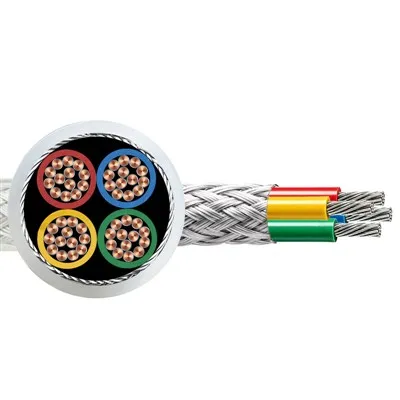
So, to wrap this up: Is aluminum electric wire still safe? Yes, but only if we’re talking about modern, properly manufactured aluminum wire installed by a pro with the right accessories. The old solid aluminum wiring has its risks, but that’s not the aluminum we’re selling today. It’s time to update that old myth. If you’re working on a project—whether it’s a new home, a renovation, or even just fixing that old aluminum wiring in your existing house—we’re here to help. We can answer your questions, make sure you get the right product, and connect you with licensed electricians who know how to handle aluminum safely. Don’t let outdated fears hold you back from a cost-effective, safe solution. If you’re ready to chat about your wiring needs, hit us up for a procurement discussion. We’re here to make sure you get the right wire, the right advice, and a safe installation.
Control Cable Low Voltage References
- National Electrical Code (NEC) 2023, Article 310 (Conductors for General Wiring)
- Underwriters Laboratories (UL) Standard 83 (Flexible Cord and Rubber-Insulated Wire)
- Electrical Safety Foundation International (ESFI), “Aluminum Wiring Safety: Facts and Solutions”
- Journal of Electrical Engineering, “Corrosion Resistance of Stranded Aluminum Wiring for Residential Applications”
Yangzhou Huayu Cable Co., Ltd.
Yangzhou Huayu Cable Co., Ltd. is one of the most professional electric wire manufacturers and suppliers in China, also supports customized service with low price. Please feel free to wholesale advanced electric wire made in China here from our factory. Contact us for pricelist.
Address: No.9 Jingang Road, Yangzhou City, Jiangsu Province, China
E-mail: info@huayucabletech.com
WebSite: https://www.huayucabletech.com/
