If you’ve ever stood in line at an airport security checkpoint, staring at your suitcase’s combination lock and wondering if it will be confiscated, you’re not alone. As a luggage locks supplier, I get this question every single day—often from travelers who’ve spent hours picking out a “secure” lock, only to have it flagged by TSA agents. The confusion around what’s allowed on planes isn’t just a small hassle; it’s a real worry for frequent flyers, family vacationers, and business travelers alike. Today, I’m breaking down exactly which luggage locks aren’t allowed on planes, why, and what you need to know to make sure your next trip goes smoothly. Luggage Locks
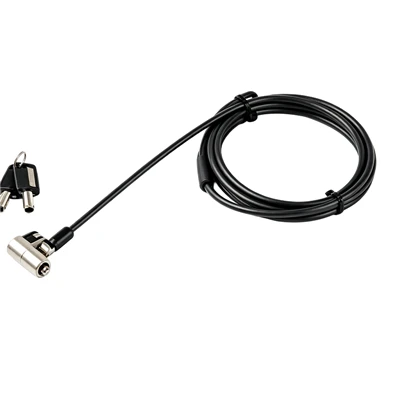
Let’s start with the basics: why do airlines and security agencies have rules about luggage locks in the first place? The core issue is that checked bags sometimes need to be opened by security screeners for inspections. The Transportation Security Administration (TSA) in the U.S., for example, estimates it inspects around 5% of checked bags every day—more than 5 million bags a year. If a screener can’t open your lock without damaging it, they have two options: break the lock themselves (leaving you with a broken lock and no way to secure your bag) or open the bag and leave it unlocked on the tarmac, where it’s vulnerable to theft. Neither option is ideal, which is why some locks are outright banned for air travel.
First on the list: non-TSA-approved keyed locks. Wait, not all keyed locks—just the ones that don’t have a universal TSA keyhole. A lot of travelers assume any lock with a key is fine, but that’s a mistake. TSA has a master set of keys that only their agents have, designed to open specific lock models without damage. If your keyed lock doesn’t have this special keyhole, agents can’t get into it. Last year, a regular customer of mine, a college student heading to Europe, brought a nice brass keyed lock he’d gotten as a graduation gift. When he got to the checkpoint, the agent told him the lock couldn’t be opened without breaking it, so he had to either ditch it or buy a new one at the airport for $20. That’s a $20 he didn’t plan to spend, all because he didn’t check if his keyed lock was TSA-approved. It’s a common mistake, but easy to avoid.
Next up: combination locks that aren’t Travel Sentry or TSA-approved. This is another big one. Combination locks are popular because you don’t have to carry a key, but only the ones with the Travel Sentry logo (the blue triangle with a key in it) or TSA-specific combination dials are allowed. Why? These locks have a set of numbers and a master key slot that TSA agents can use to open them, just like keyed locks. If your combination lock doesn’t have this, screeners can’t reset the combination or open it without breaking it. I’ve had another customer, a sales manager who travels for work 10 times a month, tell me he’s had three combination locks confiscated in the last six months. Each time, he’d bought a cheap combination lock at a drugstore on his way to the airport, not realizing it wasn’t TSA-approved. He finally switched to our TSA-approved combination locks, and he hasn’t had an issue since. That’s the difference between a $5 drugstore lock and a lock that’s built for air travel.
Then there are speciality locks that seem harmless but are actually banned. Things like padlocks with too-shackle lengths? No, that’s not it. Wait—locks that are made of hardened steel or have large, solid metal shackles that can’t be cut or pried open. Wait, no—actually, some specialty locks that are designed to be anti-theft beyond the standard are flagged because they require specialized tools to open. For example, a few years back, a customer brought a heavy-duty disc lock he used for his motorcycle, thinking it would be extra secure for his suitcase. When the agent tried to open it, the lock’s design meant a standard TSA key wouldn’t fit, and they didn’t have the specialized tool needed to open it without breaking it. So that lock was confiscated. Locks that are too specialized or don’t fit the standard TSA key profile are a no-go. Also, there are locks that have built-in alarms—wait, do those count? Sometimes. If the alarm is loud enough, it can set off airport security sensors, which can cause delays. A friend of mine who’s a flight attendant told me she saw a traveler’s lock alarm go off in a bag, and it took the agent 10 minutes to turn it off because they didn’t know how to disable it. That’s a delay that no one wants, so alarm locks are often not allowed on planes unless they’re TSA-approved with a way for agents to disable the alarm without opening the bag.
Wait, what about carry-on bags? I know a lot of people wonder if the rules are different for carry-ons. The short answer is: mostly no, but there are a few differences. For carry-on bags, you don’t have to worry about security inspections as often, but carry-ons are still scanned, and if a lock is too strong to open, the agent might ask you to remove it anyway. Also, some airlines have their own rules about carry-on locks, but the TSA’s rules apply to all bags flying in and out of the U.S., regardless of whether they’re carry-on or checked. I always tell my customers: if it works for checked bags, it works for carry-ons, so just stick to TSA-approved locks no matter which bag you’re putting it on.
Now, let’s clear up a common misconception: many travelers think that if they ship their luggage as cargo, they don’t need to worry about these rules. But actually, cargo flights follow the same TSA guidelines as passenger flights. If you’re shipping a suitcase as cargo, the same non-TSA-approved locks will be flagged, and they’ll be either confiscated or broken. So even if you’re not flying, if your luggage is going on a plane, these rules apply. That’s something a lot of people miss, especially when they’re moving or sending luggage to a family member.
So why are these rules in place? It’s not just to make security agents’ lives easier. It’s to protect travelers. If a lock is non-TSA-approved and a screener has to break it, you’re left with a broken lock that can’t secure your luggage. On the flip side, if you use a TSA-approved lock, the agent can open it, inspect the bag, and lock it back up—no damage, no hassle. It’s a compromise that works for everyone. As a supplier, I’ve seen first-hand how a good TSA-approved lock can save a traveler a lot of stress. Last month, I had a customer who was flying to a family wedding with a $5,000 dress in her suitcase. She used our TSA-approved combination lock, and when the agent inspected the bag, they opened it, checked the dress, and locked it back up. She told me later that she would have been devastated if her lock had been broken and her dress exposed to the airport. That’s the value of a lock that’s designed for air travel.
Now, what should you look for if you’re buying a luggage lock for a plane? First, check for the Travel Sentry logo or the TSA-approved mark. That’s the easiest way to tell. Second, make sure it’s not a specialty lock with a keyhole that doesn’t fit TSA’s master keys, or a combination lock without the TSA-specific numbers. Third, avoid locks with loud alarms, as those can cause delays. Fourth, if you’re buying a keyed lock, make sure it’s not a custom keyed lock that only comes with its own key—stick to locks that use the universal TSA keys.
I know there are a lot of cheap locks out there that seem like a good deal, but they’re not worth the risk. I’ve had too many customers come to me after having a $5 drugstore lock confiscated, only to spend twice as much on a TSA-approved lock. It’s always cheaper in the long run to buy a lock that’s built for air travel, rather than having to replace it at the airport.
As someone who’s been in the luggage lock business for 10 years, I can tell you that the most common question I get is “what’s allowed on planes?” And the answer is almost always: TSA-approved locks. That’s it. There’s no trick, no complicated rule—just make sure your lock has the right certification, and you’ll be good to go.
If you’re a frequent traveler, a family going on vacation, or someone who ships luggage often, I want to help you find the right lock. Whether you need keyed locks, combination locks, or even larger locks for big suitcases, we’ve got a range of TSA-approved options that fit every budget. If you’re interested in ordering in bulk for a travel company, a hotel, or any other business, or if you just have questions about which lock is right for your needs, reach out to us. We’re here to make sure you don’t have to deal with the hassle of a confiscated lock at the airport.

Don’t let a bad lock ruin your next trip. Stick to the rules, choose a TSA-approved lock, and travel with peace of mind.
Luggage Locks References
TSA. (n.d.). Lockers and Travel Security. Retrieved from Transportation Security Administration official guidelines on checked baggage security
Travel Sentry. (n.d.). Approved Lock List. Retrieved from Travel Sentry official certification requirements for air travel locks
International Air Transport Association (IATA). (2023). Baggage Security Guidelines. Retrieved from IATA’s standard rules for luggage locks on commercial flights
Zhejiang Tongtai Lock Co., Ltd.
We are one of the most professional luggage locks manufacturers and suppliers in China, also support customized service. Please feel free to wholesale bulk high quality luggage locks in stock here from our factory. Welcome to contact us for quotation.
Address: No.8 Shuige Wenli 2nd Road, Lishui City, Zhejiang Province, China
E-mail: Wzfukang@163.com
WebSite: https://www.tongtailock.com/
