Hey there, if you’re a homeowner, contractor, or just someone who’s been staring at their foundation walls and wondering “wait, can I actually put stone texture paint on these?”, you’re not alone. I’ve been in the stone texture paint game for 12 years now, and let me tell you—this question comes up at least twice a week, no joke. I see it on Reddit, at job sites, in DMs from folks asking if their old cracked basement walls can finally stop looking like a sad cinder block prison. Today, I’m breaking this down like I do with every customer who calls me at the shop—no fancy jargon, just real stuff you can actually use. Stone Texture Paint
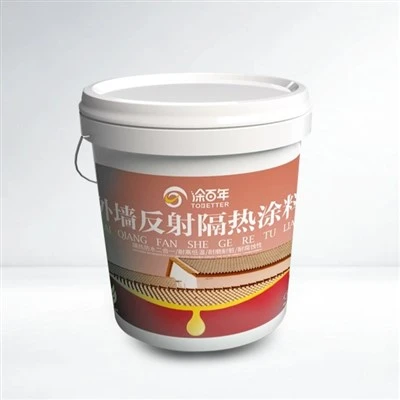
First off, let’s get one thing straight: foundation walls aren’t the same as the drywall on your living room walls. They’re thick, they’re porous, they deal with way more moisture than any interior finish on your home. So stone texture paint (that’s the stuff we make, right? The one that looks like real stacked stone without the weight or the price tag) doesn’t just “stick” here—you have to do it right. Let’s start with the basics that most people skip, because that’s where mistakes happen.
First question: Is it even possible? Short answer: Yes, but only if your foundation is in good shape. Wait, what does “good shape” mean here? I don’t just mean no cracks bigger than a credit card— I mean no active leaks, no standing water pooling at the base, no spalling (that’s when concrete crumbles or flakes off, fyi). I had a guy last year who tried slapping our stone texture paint on a wall that had a leak from his gutter running directly into the foundation. Six months later, the paint peeled off in chunks, and he was back asking why. Spoiler: Moisture was the real villain, not the paint. If you’ve got an active water problem, fix that first—we’re talking French drains, gutter extensions, maybe a vapor barrier before you even think about texture. No exceptions here.
Now, why is stone texture paint actually a great pick for foundation walls, if done right? Let’s talk about the big ones. First, it’s way lighter than real stone veneer. I see so many folks opt for the real stacked stone because it looks cool, but adding that weight to a foundation wall? That can cause structural issues over time—especially if your foundation was built in the last 40 years, not the 1800s. Our stone texture paint is like, 1/10th the weight of real stone. So no extra stress on the wall, no engineers knocking at your door asking why you added a ton of heavy material to the base of your house. Second, it’s mold and mildew resistant. Wait, not all stone texture paint is—important to check, but ours is formulated with microban (that’s a real additive, no marketing fluff) that stops mold from growing on the texture, even if there’s a tiny bit of moisture seeping through. Third, it hides flaws. Foundation walls are rarely perfect—cracks, uneven concrete, those little pockmarks from when they poured the wall back in the day. Our texture is thick enough to cover all that without looking lumpy. I had a contractor last month who used it on a basement wall that had a crack from a tiny shift in the foundation, and you couldn’t even tell the crack was there once it was done. That’s a win.
But let’s get into the how, because slapping it on wrong is a waste of time and money. Step 1: Prep is non-negotiable. No cutting corners here. You’ve got to clean the wall first—pressure wash it, make sure all dirt, mildew, loose concrete, and old paint (if there is any) is gone. If you skip pressure washing, the texture won’t stick, and it’ll peel in a year. I tell every customer to rent a power washer with at least 3000 PSI, and hold it 12 inches away from the wall—too close and you’ll damage the concrete, too far and it won’t get the grime. After pressure washing, you’ve got to let it dry completely. I mean, completely. If it’s even damp under the surface, the moisture will get trapped, and the paint will bubble. We usually tell folks to wait at least 48 hours, longer if it’s humid. Step 2: Primer. This is another thing people skip, and it’s the #1 reason our customers call us complaining the texture didn’t stick. You need a concrete-specific, breathable primer. Wait, breathable—why? Foundation walls need to let moisture escape, right? If you use a regular primer that traps moisture, you’ll get blisters under the texture, or mold growing between the wall and the paint. Our team actually tests primers all the time, and we recommend a 100% acrylic primer made for concrete. It’s cheap, it’s breathable, and it makes the texture adhere like glue. Step 3: Application. We usually use a trowel for exterior foundation walls, and a roller or a sprayer for interior basement walls. Wait, exterior vs interior—does that matter? A little. Exterior foundation walls deal with freeze-thaw cycles, so our exterior stone texture paint is formulated with flex agents to expand and contract with the concrete. Interior is a little sturdier, but still has that texture look. Don’t go too thick—1/8 inch is perfect. Too thick and it’ll crack when the concrete moves a tiny bit, which foundations do over time. I’ve seen guys put on 1/2 inch and end up with a bunch of cracks all over the wall. That’s a headache. Step 4: Sealer. You can skip the sealer if you want, but I don’t recommend it. A good concrete sealer will make the texture water-resistant, so if a little splash from your hose or a heavy rain hits the wall, it doesn’t stain. We have a matte sealer that goes on clear, so it doesn’t ruin the stone look. Just two thin coats, wait 24 hours between them, and you’re good.
Now, let’s talk about common myths, because I hear these every single day. Myth #1: “Stone texture paint will cover up structural cracks so I don’t have to fix them.” No, no, no—listen, if a crack is bigger than 1/4 inch, that’s a structural issue. You’ve got to repair the crack with epoxy or concrete crack filler before you put the texture on. The texture will hide it, but the crack is still there, and it could get worse. Myth #2: “It’s only for interior walls.” Nope, we have customers all over using it on exterior foundation walls, especially on homes with unfinished basements or crawl spaces. I had a customer in Ohio who used it on his exterior foundation last year, and it’s survived three winters and some heavy rain—still looks good. Myth #3: “It’s more expensive than other finishes.” Wait, let’s do the math. Real stone veneer is like $15-$20 a square foot, plus installation which is another $10-$15 a square foot. Our stone texture paint is like $5 a square foot, and you can apply it yourself if you’re handy. So for a 100 square foot wall, that’s $500 vs $2500 for real stone. That’s a huge difference, and it looks almost identical to the untrained eye.
Now, let’s get personal. A few months back, I had a young couple reach out to me—they just bought a 1950s home, and their foundation walls were this nasty grey concrete, full of little cracks, and they were embarrassed to show their basement to friends. They wanted something that looked nice, but they didn’t want to spend a fortune on real stone, and they didn’t want to deal with the weight. We walked through their home, checked their foundation—no active leaks, just some small cracks. We recommended our exterior-grade (wait, they were doing the interior basement walls, so interior grade) stone texture paint, told them how to prep, gave them a discount on primer, and they did it themselves. They sent me a photo a week later, and that basement wall looked like real stacked stone. They told me their friends thought they paid $3k for a contractor to do it, but they spent $400 total. That’s the stuff that makes this job worth it, y’know?
Wait, but let’s be real—there are times when stone texture paint isn’t the right pick. If your foundation has active leaks, like water seeps through the wall when it rains? Fix the leak first. If you’ve got a foundation that’s shifting a lot (like, structural engineers told you it’s moving)? Then even the texture might crack, and you need to fix the foundation first. If you’re looking for something super high-end, like the real stone look that no one can tell is paint? Well, our texture is pretty close, but it’s not exact—some people prefer the real thing, and that’s fine. We don’t push our product on people who don’t need it.
Another thing: maintenance. Once it’s on, how do you keep it looking good? It’s low-maintenance, honestly. Just hose it down once a year to get rid of dirt and cobwebs. If you get a tiny crack in the texture (which can happen from normal foundation movement), you can buy a little touch-up kit from us, and it’s easy to fix. No repainting the whole wall, no fancy repairs. That’s a big plus compared to real stone, which can get moss growing on it or the mortar can crack over time.
Wait, I should also mention—we test all our stone texture paint on actual concrete foundation walls, not just drywall or wood. Because a lot of brands make texture paint that works on interior walls but not exterior foundation walls. Ours is formulated specifically for porous, moisture-prone concrete, so that’s why it works. We don’t cut corners on that, which is why so many contractors use us.
Let me wrap this up, because I know I’m long-winded, but this stuff matters. So to answer the original question: Yes, you can use stone texture paint on foundation walls, but only if you do it right. No skipping prep, no ignoring moisture issues, no slapping on a cheap primer. If you’re a contractor, this is a great add-on service for your basement or exterior foundation jobs—your customers will love the look, and it’s cheaper and easier than real stone. If you’re a homeowner, it’s a DIY project if you’re handy, and it’ll turn that ugly grey wall into something that looks intentional and nice.
If you’re curious about trying it, or you’ve got questions about your specific foundation, don’t hesitate to reach out to our team. We can help you figure out if your wall is a good fit, send you samples, and even give you step-by-step tips for application. No pushy sales stuff, just real advice from people who’ve been in the stone texture paint game for years.
Decorative Wall Paint References:
- American Concrete Institute. (2021). Guide to Concrete Moisture Management for Interior Finishes. ACI 302.1R-19.
- International Code Council. (2022). Residential Foundation Wall Finishes and Structural Load Requirements. IRC Section R403.1.
- ASTM International. (2020). Standard Test Method for Adhesion Strength of Coatings on Concrete. ASTM D4541-20.
- National Association of Home Builders. (2021). Cost Comparison of Exterior Foundation Finishes. NAHB Research Center Report.
Guangdong Tubainian New Materials Co., Ltd.
Guangdong Tubainian New Materials Co., Ltd. is one of the most professional stone texture paint manufacturers and suppliers in China. If you’re going to buy bulk CE approved stone texture paint made in China, welcome to get quotation from our factory. All customized products are with high quality and low price.
Address: Lanshukeng Industrial Zone, Hongwei Village, Xinxu Town, Huiyang District, Huizhou City, Guangdong Province, China (Factory of Huizhou Huiyang Bohua Packaging Products Co., Ltd.)
E-mail: sean17898430991@gmail.com
WebSite: https://www.tobettercoating.com/
